
Dry soil could accelerate antibiotic resistance, study says
TL;DR
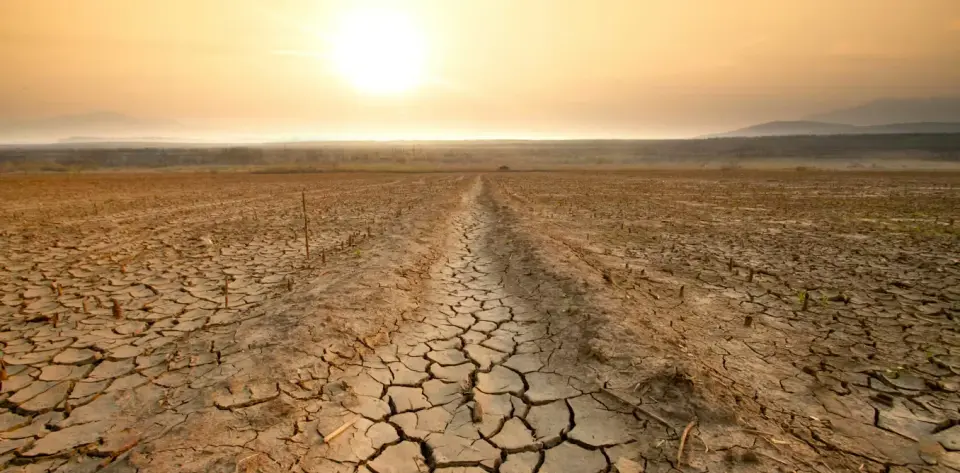
New research suggests drought-stressed soil speeds up the natural processes that create and spread antibiotic resistance, as bacteria in dry, crowded pockets produce more antibiotics and exchange resistance genes. While some studies find correlations between arid regions and higher hospital infections, causation isn’t proven and other factors like tracking and healthcare access play a role. The findings emphasize the environment’s role in antibiotic resistance and the One Health perspective, linking climate-driven ecological change to human health and urging closer environmental monitoring alongside medical stewardship.
Topics:healthscience#antibiotic-resistance#drought#horizontal-gene-transfer#one-health#science#soil-microbiology
- Drought could be making antibiotic resistance worse, scientists say The Conversation
- The world is running out of antibiotics that work. Drought is making it worse Gavi, the Vaccine Alliance
- Droughts driving spread of drug-resistant infections, research shows The Telegraph
- Droughts Are The Ideal Breeding Ground For Antibiotic-Resistant Bacteria, Study Warns ScienceAlert
- How droughts might change antibiotic resistance The Daily Star
Want the full story? Read the original reporting
Read on The Conversation