UK health researchers traced the March Kent meningitis B outbreak to a newly formed bacterial variant created by horizontal gene transfer, which spread quickly among young people in social venues; the episode was unusually rapid but short-lived, and the meningitis B vaccine remains protective for students heading to university.
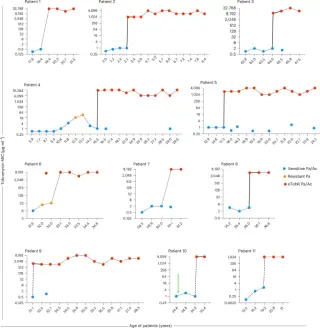
A multicenter study of chronic lung infections in cystic fibrosis and bronchiectasis patients found that extreme tobramycin resistance emerged not by mutation but via in vivo transfer of resistance genes from transient environmental bacteria to already-established pathogens in the lungs. The transferred plasmids carried aac(3)-IIId on a transposon (TnCF1) and conferred MICs ≥1,024 µg/mL, producing roughly 10,000-fold resistance that persisted for years. Plasmids were stable with low fitness costs, aided by toxin–antitoxin systems, and several donor species (including Pseudomonas putida) likely carried the plasmids into patients before transferring them to pathogens, with transfer demonstrated ex vivo via conjugation or transformation. The findings imply that resistance can rapidly arise during therapy through within-host gene transfer, underscoring the need for environmental surveillance and strategies to limit in vivo gene exchange.
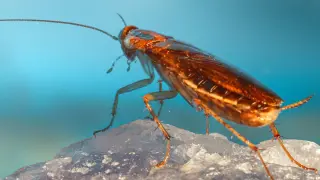
A University of Sydney-led study analyzing 18 cockroach and termite genomes finds pervasive horizontal gene transfer from the bacterial endosymbiont Blattabacterium cuenoti, with about 40,485 DNA fragments (including non-coding bits) embedded in cockroach DNA—some persisting for up to ~28.7 million years—raising questions about their function and suggesting HGT may be more common in eukaryotes than previously thought.
A comprehensive analysis of cockroach genomes reveals thousands of bacterial DNA insertions from endosymbionts like Blattabacterium, indicating that horizontal gene transfer is common in multicellular animals and contributes to genome diversity, though most inserts are nonfunctional.
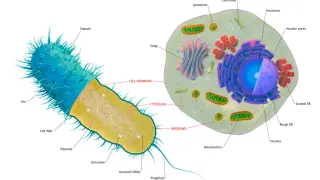
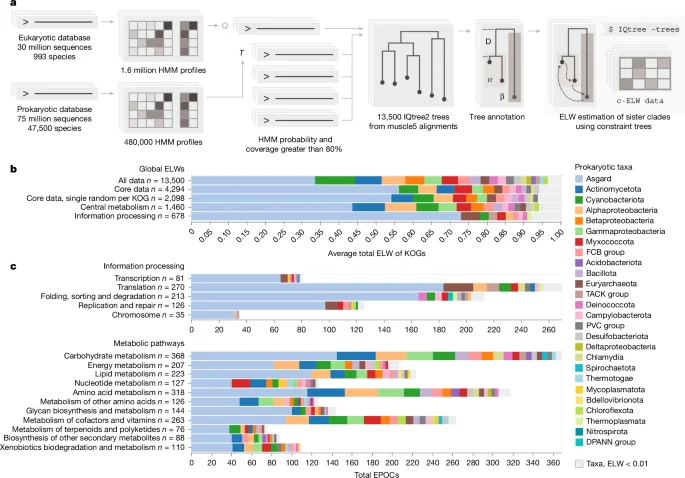
New genome analyses show eukaryotes emerged from a mosaic of genes: early contributions from Asgard archaea, followed by multiple bacterial waves (including alphaproteobacteria for mitochondria, plus Planctomycetota and Myxococcota) and even giant viruses, painting a gradual, complex picture rather than a single endosymbiotic event.
A Science Advances study shows Mortierellaceae fungi carry a bacterial ice-nucleating protein nearly identical to InaZ; when the fungal gene was inserted into yeast it conferred ice-forming ability, suggesting fungi acquired the trait via horizontal gene transfer. The protein is secreted and may help lichens pull water from the air, potentially enabling frost to form and later melt to replenish water, and it could mean fungi play a larger role in the weather cycle than bacteria. Scientists also note these fungal proteins could be explored for non-toxic cloud-seeding alternatives if produced safely.
New research suggests drought-stressed soil speeds up the natural processes that create and spread antibiotic resistance, as bacteria in dry, crowded pockets produce more antibiotics and exchange resistance genes. While some studies find correlations between arid regions and higher hospital infections, causation isn’t proven and other factors like tracking and healthcare access play a role. The findings emphasize the environment’s role in antibiotic resistance and the One Health perspective, linking climate-driven ecological change to human health and urging closer environmental monitoring alongside medical stewardship.
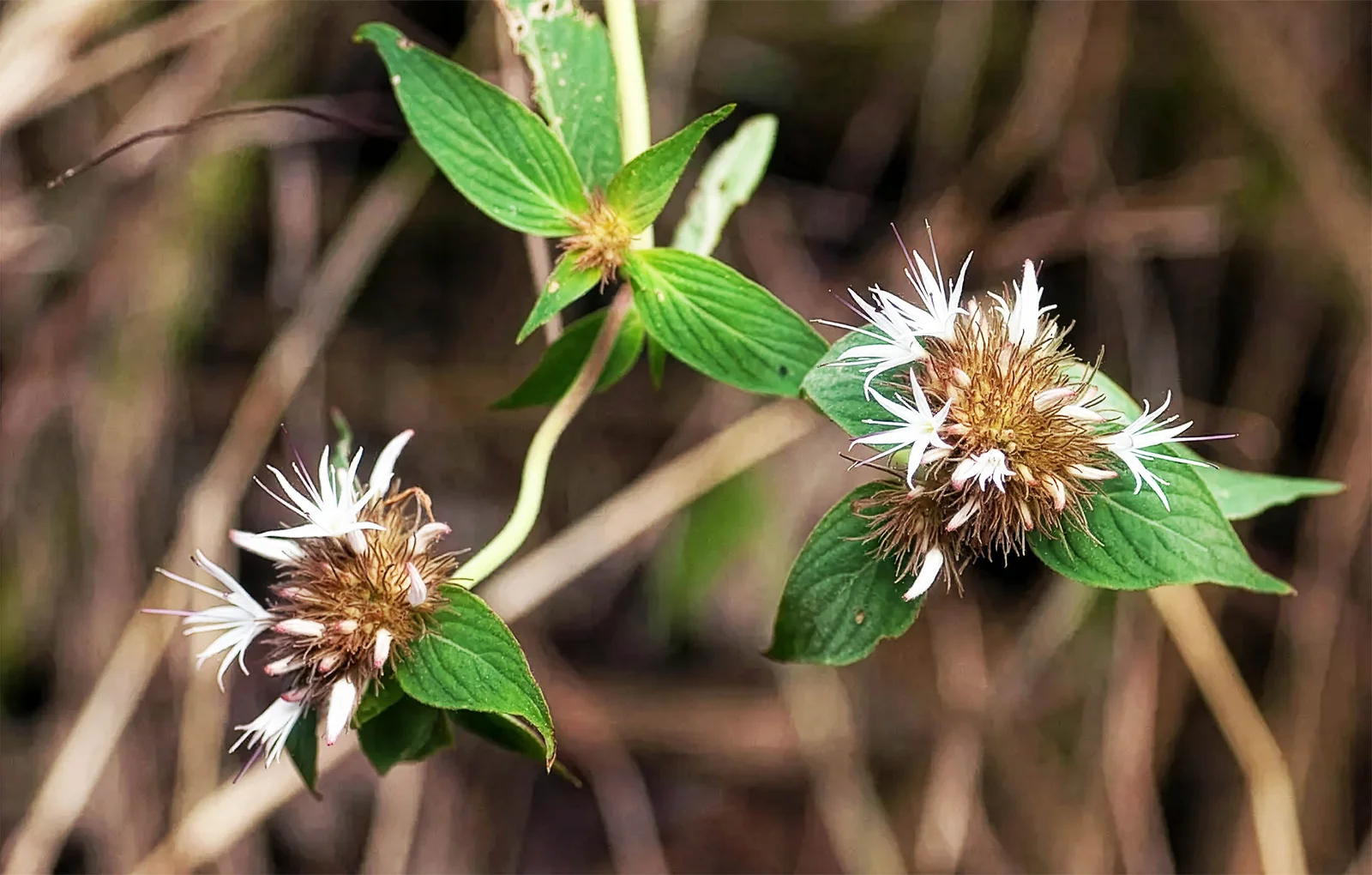
A West African cliff-dwelling plant, Virectaria stellata, exhibits unusual stellate hairs and genetic traits not typical for its Rubiaceae family, suggesting possible horizontal gene transfer from another species. While researchers, including UGANC and RBG Kew, test genomic sequences to confirm gene movement, they note that the mechanism remains uncertain and that the plant is not parasitic. Further sampling in Guinea and genomic analyses will help determine whether real gene transfer occurred and how it shaped the plant’s traits.
A comprehensive phylogenomic analysis shows Asgard archaea contributed the majority of core eukaryotic genes traced to LECA, with Alphaproteobacteria providing mainly mitochondrial-related components and energy metabolism; other bacteria contributed sporadically without clear patterns. This supports a model where key eukaryotic features—cytoskeleton and endomembrane system—evolved in the Asgard lineage before LECA, with mitochondria acquired later and additional bacterial genes entering gradually via HGT. The study uses soft-core pangenomes and constrained trees to minimize late HGT and test origins, though conclusions depend on the current sampling of Asgard and bacterial genomes.
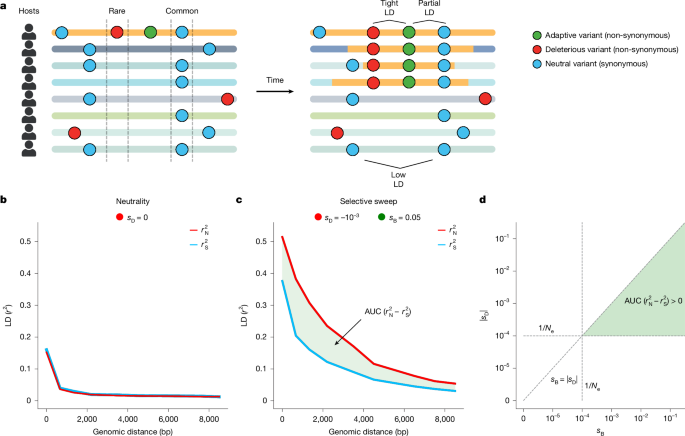
The study reveals that gene-specific selective sweeps are widespread across human gut microbiomes, driven by homologous recombination and horizontal gene transfer, with implications for understanding microbial adaptation to host diets and lifestyles worldwide.
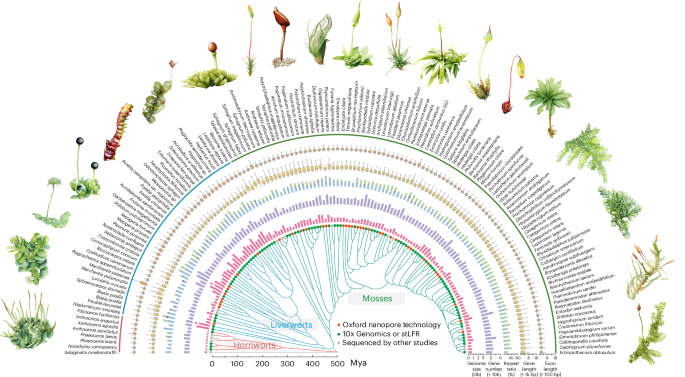
Bryophytes possess a larger and more diverse gene family space than vascular plants, driven by extensive gene formation, horizontal gene transfer, and de novo gene origination, which likely contributed to their ecological adaptability and long-term survival on land.
A study led by researchers from the Max Planck Institute for Marine Microbiology has revealed the significant role of extracellular vesicles (EVs) in horizontal gene transfer among ocean microorganisms. Previously, it was believed that gene exchange mainly occurred through direct cell contacts, free-floating DNA, or viruses. However, this study shows that EVs play a crucial role in transferring genetic information in the ocean, challenging existing beliefs and introducing the term "protected extracellular DNA" (peDNA) to encompass the diversity of genetic carriers beyond viruses. The findings open up new avenues for research in various ecosystems and highlight the importance of EVs in cell communication.
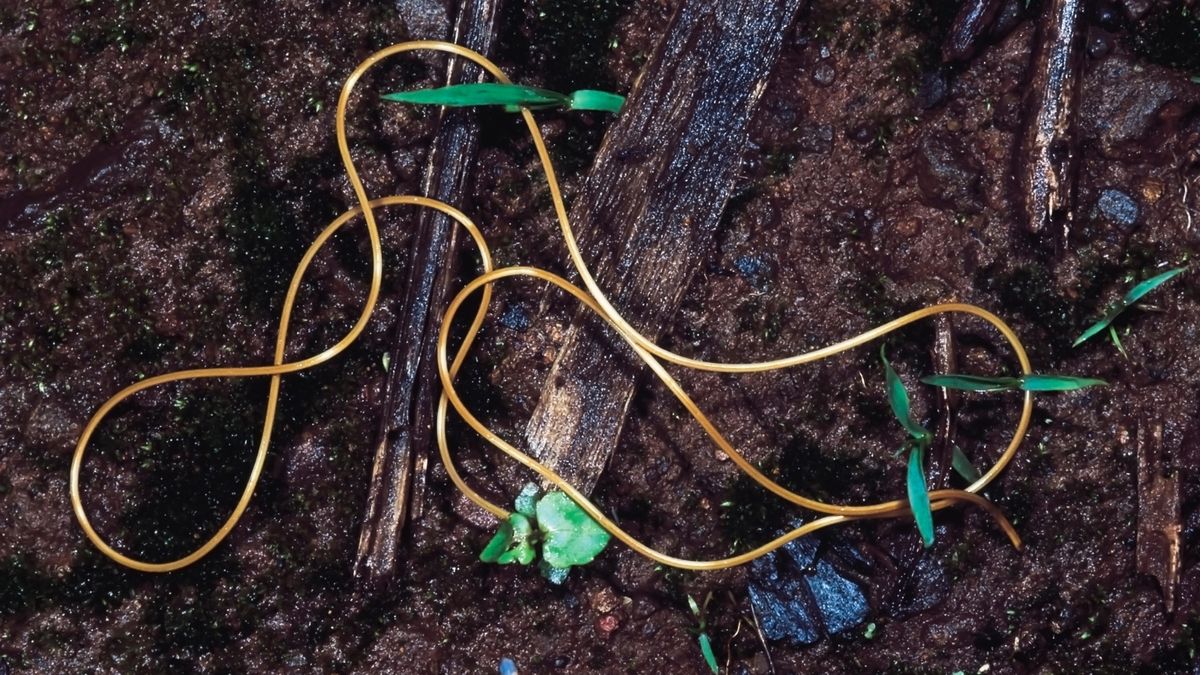
Scientists have discovered that parasitic horsehair worms, which manipulate their praying mantis hosts to walk into water and drown themselves, steal their hosts' genetic code to control their minds. By using a molecule that causes the mantises to march towards light shimmering off water, the worms hijack their hosts and eventually free themselves. The researchers found that the worms change the expression of thousands of their own genes, while the mantises' gene expressions remain unchanged. This suggests that the worms use the mantises' genes to make their own proteins, acquired through horizontal gene transfer. The study provides insights into the mechanisms of host manipulation and evolutionary adaptation.
Wild plants, including grasses, can undergo horizontal gene transfer, a process where genetic information is shared between distant branches of the tree of life. This phenomenon, previously thought to be restricted to microbes, has been found in a wide range of plants, animals, and fungi. A recent study focused on the tropical grass Alloteropsis semialata found that genes from foreign origins are continually acquired throughout its evolutionary history, with a foreign gene incorporated approximately every 35,000 years. These transferred genes often offer the recipient an evolutionary advantage, such as disease resistance and stress tolerance. The study suggests that the mechanism behind horizontal gene transfer in plants may be similar to the methods used to create genetically modified crops, challenging the perception that GM crops are unnatural.
Researchers have discovered that certain roundworms carry a genetic element known as a Maverick, which is capable of transferring genes between species. Mavericks are massive mobile genetic elements that were previously thought to be inactive relics, but this study reveals their ability to mediate horizontal gene transfer. The Maverick in the roundworms contains viral genes and a fusogen protein, suggesting its ability to form virus-like particles and invade different cell types. Further research is needed to observe the Maverick in action and understand its mechanisms. This discovery could have practical applications in controlling parasites that infect agricultural crops and livestock. Additionally, similar massive transposons called Starships have been found in fungi, potentially playing a role in the spread of wheat diseases. Understanding these genetic transfer mechanisms is crucial for comprehending genome evolution.