
Early and School-Entry Screen Time Tied to Later Learning Gaps
TL;DR
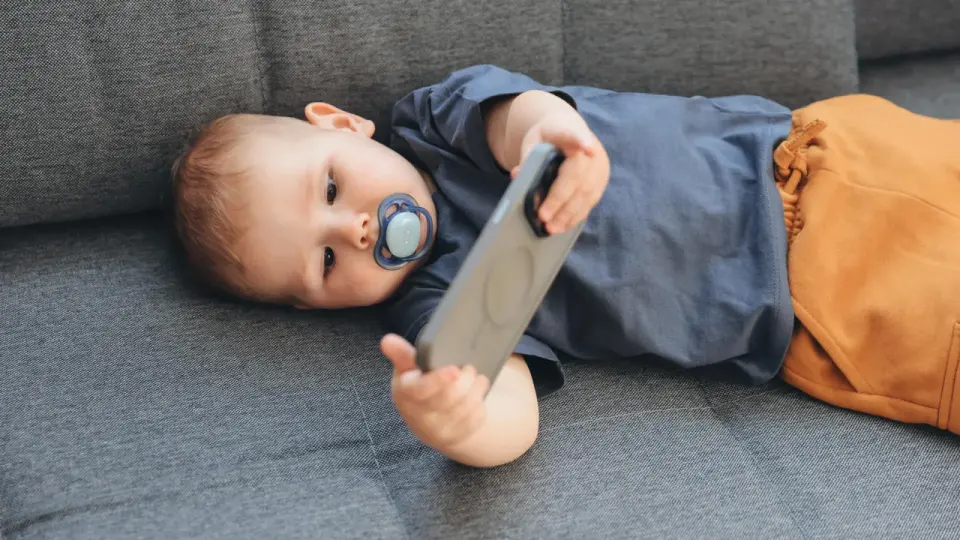
A longitudinal study of 502 children followed from age 1 to 8 found that greater screen viewing, especially at age 1 and around the start of school (age 6), is linked to poorer academic performance by age 9 and weaker working memory by age 10.5. Timing matters: associations were weaker at ages 2–3 but re-emerged at 6, suggesting infancy and early schooling may be sensitive windows. Reducing screen time during these periods could help cognitive development, though content quality, device type, and parental co-viewing warrant further study.
Topics:healthscience#academic-performance#cognition#early-childhood#science#screen-time#working-memory
- Screen time at ages 1 and 6 may matter more than parents realize Science Daily
- Researchers followed children for a decade to see whether screen time really mattered News-Medical
- Scientists tracked kids for 8 years — the screen time result was unexpected Science Daily
- Researchers in Finland tracked children's screen time for eight years, expecting to document the damage. The children who spent more hours on screens showed better cognitive processing as teenagers — a result that ran directly against the assumption the s Space Daily
- More Screen Time, Better Brain Performance? Finnish Study Challenges What Parents Have Been Told Yahoo
Want the full story? Read the original reporting
Read on Science Daily