
Industrial chicken farming accelerates spread of campylobacter, study warns
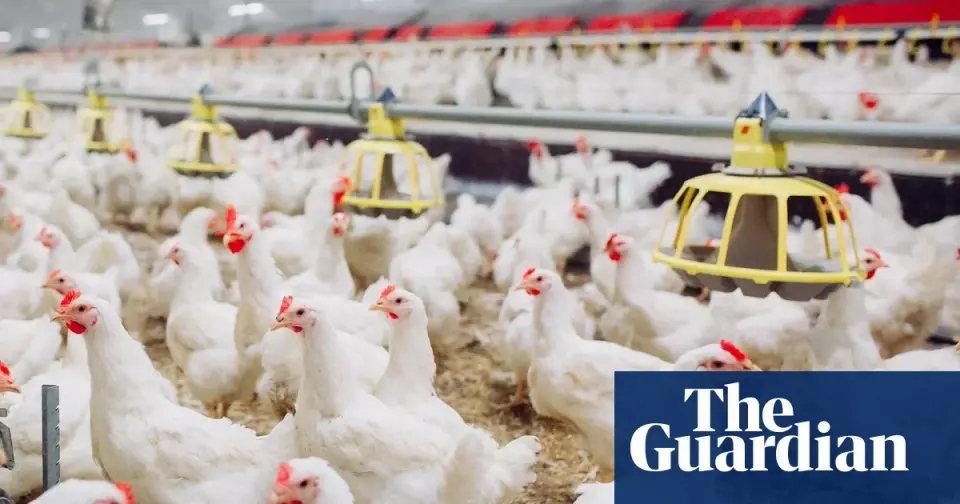
A study in the Proceedings of the National Academy of Sciences links the massive expansion of industrial chicken farming to a surge in campylobacter transmission. Researchers found that the global chicken population has grown seven-fold since the 1960s, now representing 70% of all bird biomass. This density has created a 'cauldron' for bacterial evolution, leading to a 100-fold increase in strain exchange between chickens and wild birds since 1900. The study highlights rising antimicrobial resistance, making infections harder to treat, and notes that 60-80% of human campylobacter cases originate from raw chicken.
Key points
- Global chicken numbers have increased seven-fold since the 1960s to approximately 27 billion birds, accounting for 70% of all bird biomass on Earth.
- The study analyzed nearly 2,800 bacterial genomes from chickens and wild birds across 30 countries between 1979 and 2024.
- Strain exchange between chickens and wild birds has increased 100-fold since 1900 compared to pre-domestication levels, accelerating bacterial evolution.
- Campylobacter is the most common bacterial cause of diarrhoea worldwide, causing more than three times as many gastroenteritis cases in the UK as all other monitored foodborne bacteria combined.
- Antimicrobial resistance traits are rising in circulating strains, reducing the effectiveness of previously used antibiotics for treating campylobacter infections.
Background
This finding aligns with broader concerns about how industrial agriculture impacts microbial ecosystems. While previous archive articles focused on gut bacteria affected by sweeteners or gum disease bacteria affecting heart valves, this study specifically addresses how the scale of poultry production drives the evolution of foodborne pathogens. The rise in antimicrobial resistance noted here is a critical public health issue, distinct from the preclinical cancer or antibiotic resistance studies mentioned in earlier coverage.
Why it matters
The intensification of chicken farming creates ideal conditions for campylobacter to mix, spread, and acquire new traits, including antimicrobial resistance. This increases the risk of serious illness in humans and makes infections more difficult to treat. As 60-80% of infections are caught from raw chicken, the scale of production poses a significant global health risk.
What to watch
Researchers warn that the current trajectory of chicken production cannot continue without addressing the massive risks to human health. The study highlights the need to monitor the evolution of pathogens within poultry systems and the potential impact of relaxing planning rules for new factory farms, as noted by advocacy groups.
Want the full story? Read the original reporting
Read on The Guardian