
Fruit Fly Study Reveals 'Silent' Memory Traces That Can Be Revived or Distorted
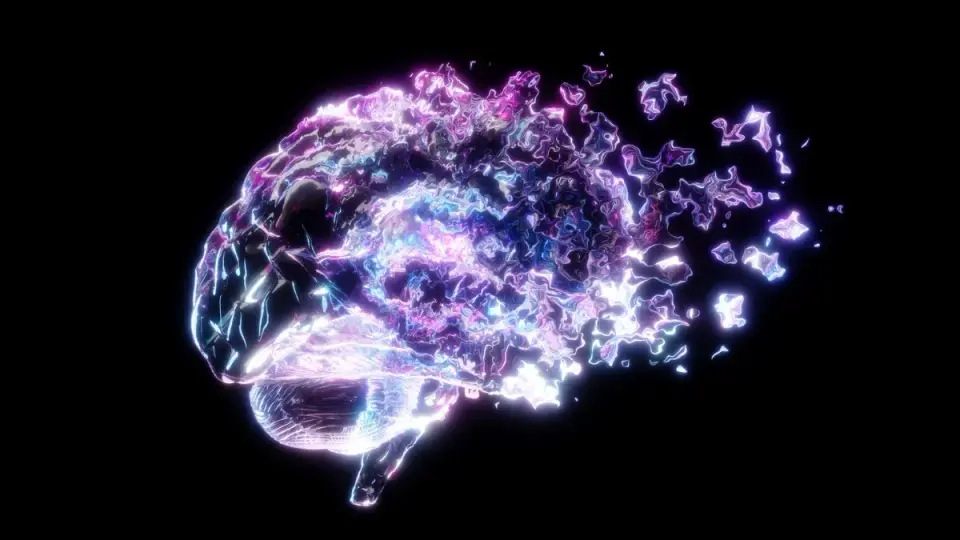
A study in fruit flies shows that forgotten memories are not erased but stored as 'silent traces' in inactive neural circuits. These traces can be revived by specific contextual cues, though the process risks creating false memories through inaccurate reconstruction.
Key points
- Researchers at the Friedrich Miescher Institute found that fruit flies retain 'silent memory traces' in neurons that do not guide behavior, even after active avoidance responses fade within 24 hours.
- Reviving these hidden memories requires recreating specific contextual cues, such as the original training chamber's texture and lighting, rather than just the associated scent.
- The recall process can generate false memories; flies began avoiding harmless odors when those odors were used as cues, indicating that the brain reconstructs rather than replays memories.
- The study suggests the brain creates two versions of a memory from the start: one active for immediate behavior and one hidden for potential future retrieval, with distinct neural pathways for real versus false recall.
Background
This finding builds on broader neuroscience efforts to understand memory durability and neurodegeneration. Previous archive coverage, such as the July 2026 study on SORLA protein, highlighted potential methods to reverse brain damage in Alzheimer's models, while other research on glymphatic dysfunction linked brain-waste clearance to cognitive symptoms. The current study adds to the understanding of how neural circuits manage information retention and retrieval, offering insights into the mechanisms behind both memory persistence and distortion.
Why it matters
Understanding that forgotten memories persist as silent traces could reshape how we view memory loss and recovery. It highlights the risk of false memories during recall, which is crucial for legal and therapeutic contexts. Furthermore, identifying distinct neural pathways for real versus false memories may lead to targeted interventions for memory disorders and improved cognitive rehabilitation strategies.
What to watch
Researchers plan to test whether the brain processes that make memories harder to access simultaneously help create hidden backups. Future studies will likely explore if these mechanisms exist in human brains, given that fruit flies share molecular machinery with humans, and investigate how to prevent false memory formation during recall.
Want the full story? Read the original reporting
Read on ScienceAlert