
Genetic map of severe pregnancy nausea uncovers 10 risk loci across diverse populations
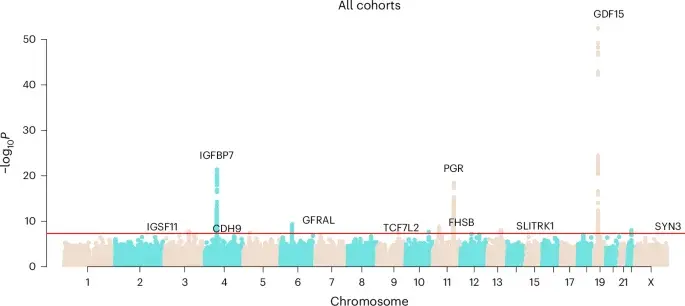
A multi-ancestry GWAS of hyperemesis gravidarum (10,974 cases, 461,461 controls) identifies ten loci, including four known (GDF15, IGFBP7, PGR, GFRAL) and six new ones (SLITRK1, SYN3, IGSF11, FSHB, TCF7L2, CDH9); functional analyses show GDF15 and TCF7L2 activity in extravillous trophoblasts with opposing maternal vs fetal effects for GDF15, while IGFBP7 and PGR act mainly via the maternal genome in spiral arteries; loci link to pregnancy weight gain, duration, birth weight and preeclampsia, with additional signals involving antisense IGFBP7-AS1 and ACP1. The study draws on data from 23andMe, MoBa, Estonian Biobank, Genes and Health and others, and provides data and code access for replication and further exploration of appetite, insulin signaling and brain plasticity pathways.
- Multi-ancestry genome-wide association study of severe pregnancy nausea and vomiting Nature
- Study identifies new genes linked to severe pregnancy sickness News-Medical
- The Real Cause of Extreme Pregnancy Nausea Is Genetic Technology Networks
- The Hormone Behind Pregnancy Sickness Is Now Only Part of the Story ScienceBlog.com
- Breakthrough Pregnancy Sickness Study Reveals Six New Genetic Connections Bioengineer.org
Want the full story? Read the original reporting
Read on Nature