
Bacterial Byproduct Gladiolin Reverses Fungal Invasiveness in Lab Tests
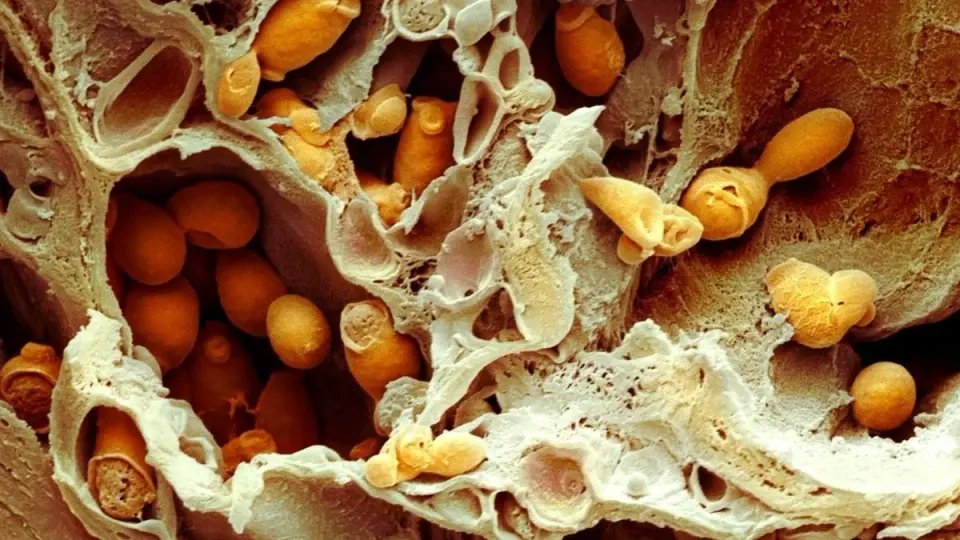
Researchers at Monash University have identified gladiolin, a bacterial antibiotic, as a potential treatment for drug-resistant fungal infections. The compound forces Candida albicans to revert from invasive hyphae to benign yeast cells by boosting glucose metabolism. While currently limited to lab studies, gladiolin shows promise for reducing toxicity and combating resistant biofilms.
Key points
- Fungal infections kill approximately two million people annually, yet treatment options remain limited and often toxic.
- Candida albicans typically exists as a benign yeast but can switch to invasive hyphae, releasing the toxin candidalysin to damage host tissues.
- Gladiolin, produced by the bacterium Burkholderia gladioli, was first discovered in 2017 and previously showed activity against tuberculosis.
- In laboratory experiments, gladiolin accelerated the transition of C. albicans from invasive hyphae back to yeast cells by ramping up Tye7 and Gal4 proteins.
- Combining gladiolin with the antifungal amphotericin B produced a synergistic effect, suppressing biofilms more effectively than either treatment alone.
- The compound may allow for lower, less toxic doses of existing antifungals while targeting drug-resistant pathogens on medical devices.
Background
This discovery arrives amid growing concerns over drug-resistant fungal outbreaks. Recent archive coverage highlights the spread of Candida auris across 27 U.S. states, with over 3,400 clinical cases reported in 2026. These infections primarily affect immunocompromised patients and those with invasive medical devices, posing significant challenges for hospital infection control. The rise of mobile resistance genes in bacterial infections further underscores the urgent need for new therapeutic strategies to combat multidrug-resistant pathogens in healthcare settings.
Why it matters
The global rise of drug-resistant fungi threatens modern medicine, including surgery, cancer treatment, and organ transplantation. Current antifungal medications are often highly toxic, and resistance is increasing, leaving patients with limited options. Gladiolin offers a potential pathway to enhance existing treatments and reduce toxicity, addressing a critical gap in infectious disease management. As fungal infections remain underdiagnosed and difficult to treat, new compounds like gladiolin could be vital for preventing life-threatening complications in vulnerable populations.
What to watch
Researchers must conduct preclinical trials to verify gladiolin’s efficacy and safety in living organisms. If successful, these results will pave the way for clinical trials to test the compound in humans. The focus will be on determining whether gladiolin can effectively combat drug-resistant biofilms on medical devices and whether it can be used in combination with existing antifungals to improve outcomes. Long-term surveillance will also be needed to monitor the impact of gladiolin on fungal resistance patterns.
Want the full story? Read the original reporting
Read on ScienceAlert