
Chicken Kidney Sponge Survives 455 Days in Polluted Spanish Marina, Offering Hope for Harbor Restoration
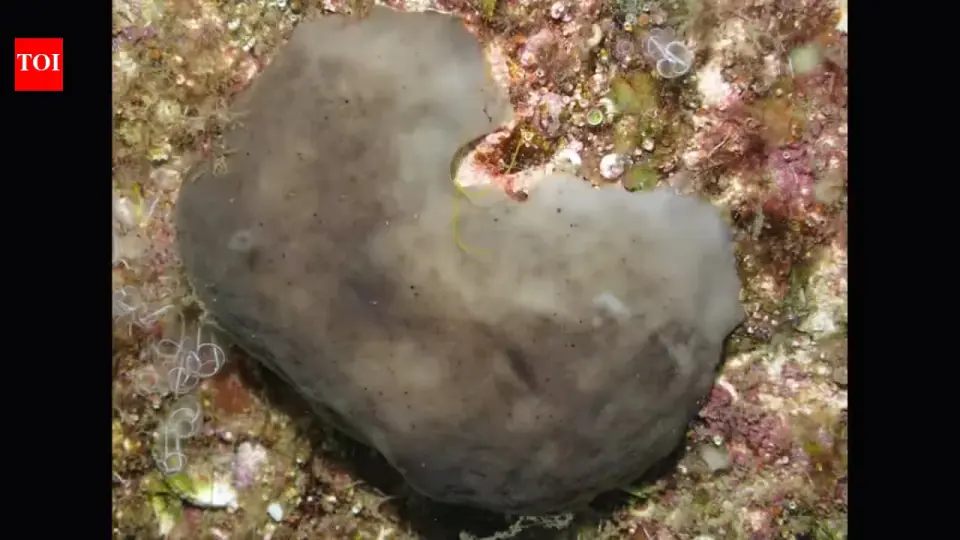
A study published in Frontiers in Marine Science reveals that the chicken kidney sponge (Chondrosia reniformis) can survive and thrive in heavily polluted harbor environments. Researchers transplanted 42 sponges into Marina Palamós, Spain, finding that 91.7% of the C. reniformis specimens survived for 455 days. Unlike other tested species that died within months, C. reniformis demonstrated unique mobility and asexual reproduction, allowing it to adapt to harsh conditions. This resilience suggests the sponge could serve as a biological tool for cleaning polluted ports by filtering water and hosting beneficial microbes.
Key points
- Dr. Manuel Maldonado and his team at the Center for Advanced Studies of Blanes tested five Mediterranean sponge species in the polluted waters of Marina Palamós, Girona, Spain.
- The chicken kidney sponge (Chondrosia reniformis) achieved a 91.7% survival rate over 455 days, while the other four species died within 20 to 165 days.
- C. reniformis exhibited 'creeping' behavior, moving up to 12.7 cm to avoid stressors like UV radiation and pollution, and reproduced asexually by fission.
- The experimental population grew from 24 to 40 individuals through clonal reproduction alone, without human intervention.
- The sponges were attached to artificial reefs made of calcium-carbonate-coated metal grids, known as Life Boosting Units, designed to facilitate biodiversity recovery.
Background
This study builds on growing concerns about marine pollution and invasive species in global ports. Recent reports have highlighted how stalled shipping fleets and ballast water can spread marine invaders, while microplastics have been detected in deep-sea ecosystems. The focus on biological solutions for harbor cleanup aligns with broader efforts to mitigate the impact of industrial activity on marine biodiversity.
How outlets are covering it
The Times of India and Popular Science emphasize the sponge's potential as a 'natural filter' for cleaning polluted ports, highlighting its ability to remove heavy metals and bacteria. Oceanographic Magazine focuses on the ecological engineering aspect, noting that sponges modify their environment to benefit other species, and details the technological innovation of using recycled ceramic plates. GeneOnline provides a more general overview, focusing on the sponge's resilience in disturbed environments. All sources agree on the 91.7% survival rate and the unique mobility of C. reniformis, but Oceanographic Magazine uniquely highlights the use of computer vision algorithms to track the sponges' growth and movement.
Why it matters
The findings offer a promising, low-cost solution for restoring degraded harbor ecosystems. By using native species that can tolerate pollution and actively clean water, researchers hope to create more sustainable port infrastructure. This could help mitigate the impact of shipping on marine life and support broader biodiversity recovery efforts in coastal areas.
What to watch
Researchers plan to monitor the transplanted sponges over several years to track changes in their symbiotic microbial communities. They aim to determine if these microbes help the sponges tolerate pollutants and heavy metals. The team will also continue testing additional sponge species to identify other candidates for ecological restoration projects in harbor environments.
- Scientists transplanted 42 sea sponges into a polluted Spanish marina; 91.7% of one species survived 455 The Times of India
- Self-moving, self-cloning sponge could restore degraded harbours Oceanographic Magazine
- Blobby chicken kidney sponges clean dirty water surprisingly well Popular Science
- Chondrosia reniformis Sponges Studied for Pollution Mitigation in Marine Harbors geneonline.com
- Chicken kidney sponge could help clean up polluted ports Earth.com
Want the full story? Read the original reporting
Read on The Times of India