Tag

Ecological Restoration

All articles tagged with #ecological restoration

Chicken Kidney Sponge Survives 455 Days in Polluted Spanish Marina, Offering Hope for Harbor Restoration
science3 months ago

Chicken Kidney Sponge Survives 455 Days in Polluted Spanish Marina, Offering Hope for Harbor Restoration

A study published in Frontiers in Marine Science reveals that the chicken kidney sponge (Chondrosia reniformis) can survive and thrive in heavily polluted harbor environments. Researchers transplanted 42 sponges into Marina Palamós, Spain, finding that 91.7% of the C. reniformis specimens survived for 455 days. Unlike other tested species that died within months, C. reniformis demonstrated unique mobility and asexual reproduction, allowing it to adapt to harsh conditions. This resilience suggests the sponge could serve as a biological tool for cleaning polluted ports by filtering water and hosting beneficial microbes.

Mediterranean sponge's mobility and cloning offer new path for harbor restoration
science-and-environment3 months ago

Mediterranean sponge's mobility and cloning offer new path for harbor restoration

A study published in Frontiers in Marine Science reveals that Chondrosia reniformis, a Mediterranean sponge, can survive, move, and clone itself in polluted harbor environments. Researchers at the Centre for Advanced Studies of Blanes found that this species thrived where four others failed, suggesting it could serve as a foundation for restoring degraded coastal habitats.

Lab-grown cyanobacteria forge fertile soil from desert sand in under a year
environment7 months ago

Lab-grown cyanobacteria forge fertile soil from desert sand in under a year

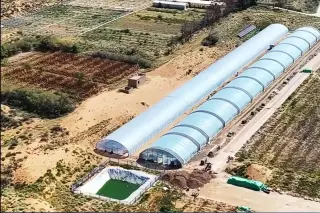
Researchers in China use lab-grown cyanobacteria to form a biomass-rich crust on loose desert sand, binding grains together to create a thin, stable soil layer that reduces wind erosion, helps retain moisture, and concentrates nutrients to support seedling growth. Trials near the Taklamakan Desert show crusts stabilizing sand in about 10–16 months, potentially accelerating restoration from decades to years, though scaling faces challenges like protecting the crust from traffic and climate variability. The work, published in Soil Biology and Biochemistry and Geoderma, links desert control with longer-term plant-based restoration, but isn’t a stand-alone fix for desertification.

The Restorative Power of Amazonian Dark Earth for Global Forests.
environment3 years ago

The Restorative Power of Amazonian Dark Earth for Global Forests.

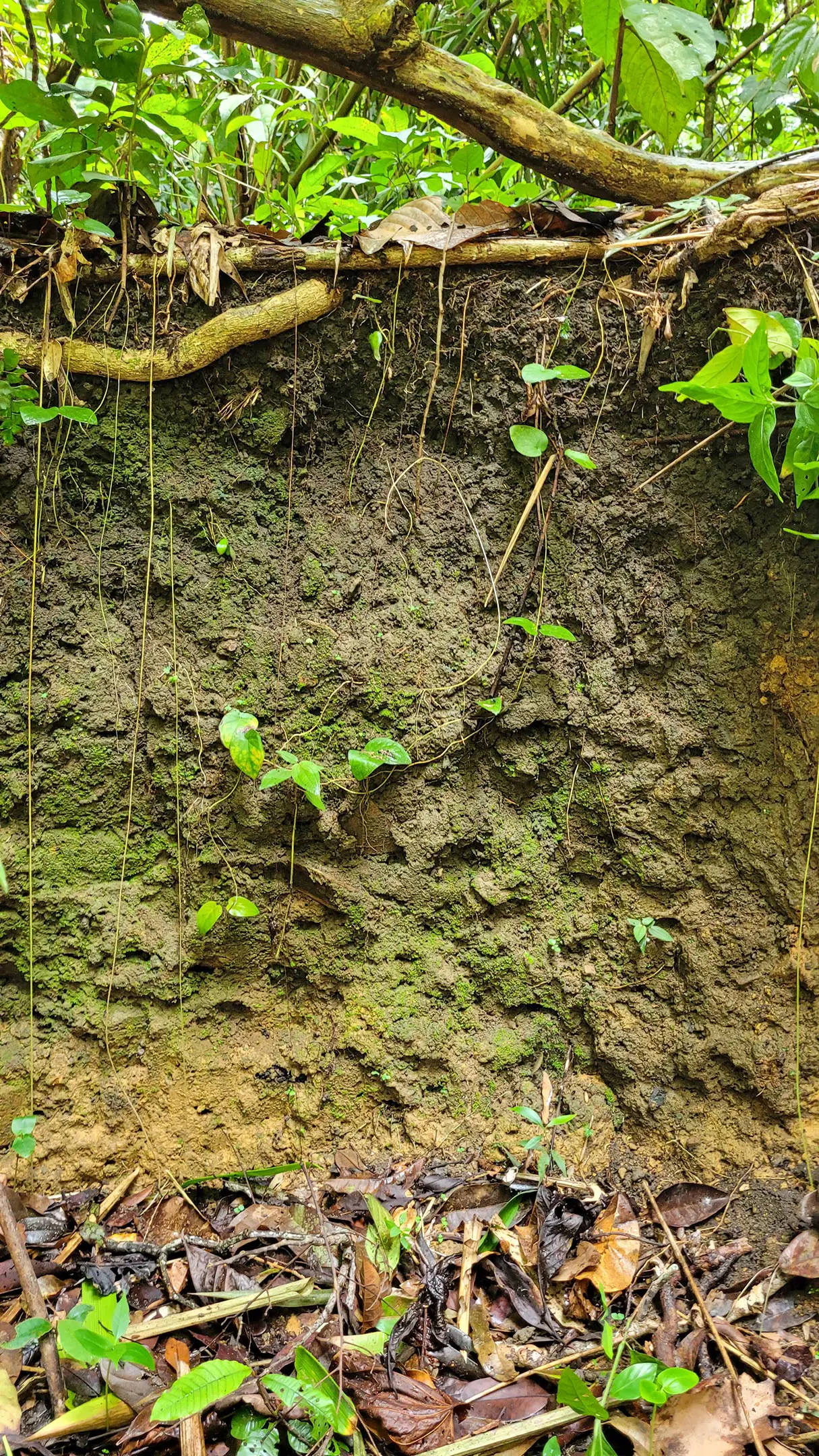
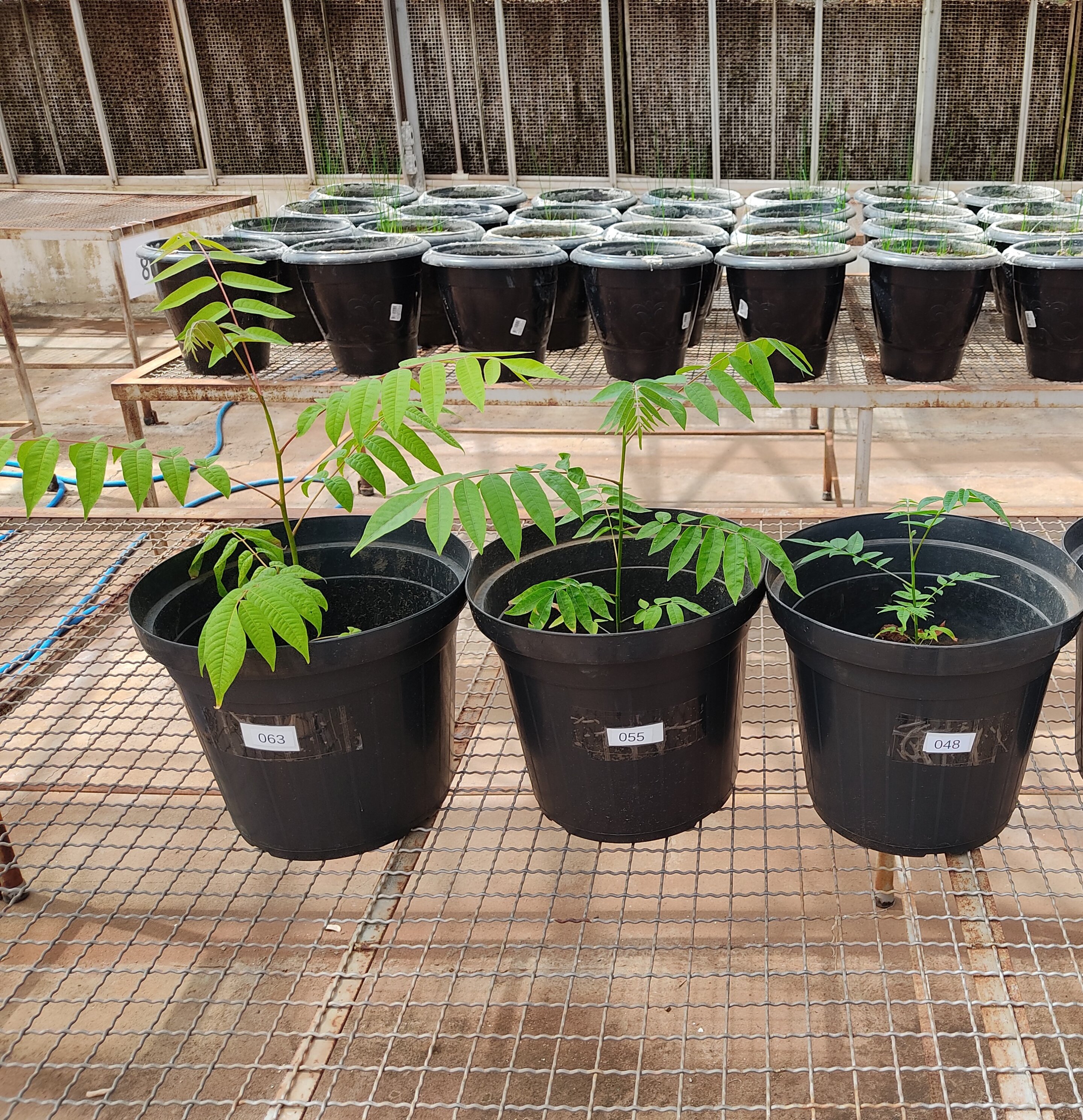
Adding Amazonian dark earth (ADE) to soil can significantly boost plant growth and support greater biodiversity of bacteria and archaea, according to a study by Brazilian scientists. ADE, also known as terra preta, is highly fertile due to its richness in nutrients and stable organic matter. The study suggests that ADE could be utilized to speed up ecological restoration projects around the world, but the authors caution against using ADE itself, which has taken thousands of years to accumulate, and recommend copying its characteristics, particularly its microorganisms, for use in future ecological restoration projects.

Unlocking the Restorative Power of Amazonian Dark Earth.
environment3 years ago

Unlocking the Restorative Power of Amazonian Dark Earth.

Amazonian dark earth (ADE) or terra preta, exceptionally fertile because rich in nutrients and stable organic matter derived from charcoal, could be a ‘secret weapon’ to boost reforestation – not only in the Amazon, where 18% or approximately 780,000 km2 has been lost since the 1970s – but around the world. ADE can enhance the growth of pasture and trees due to their high levels of nutrients, as well as to the presence of beneficial bacteria and archaea in the soil microbial community.

Unlocking the Restorative Power of Amazonian 'Dark Earth'
environment3 years ago

Unlocking the Restorative Power of Amazonian 'Dark Earth'

Amazonian dark earth (ADE) or terra preta, exceptionally fertile because rich in nutrients and stable organic matter derived from charcoal, could be a 'secret weapon' to boost reforestation—not only in the Amazon, but around the world. ADE contains microorganisms that are better at transforming soils into nutrients that can be taken up by plants, thus providing more resources for plant development. ADE can boost plant growth and its characteristics, particularly its microorganisms, can be copied for use in future ecological restoration projects.