
Harvard Neuroscientist Baland Jalal Links Sleep Paralysis to Serotonin Receptors and Cultural Narratives
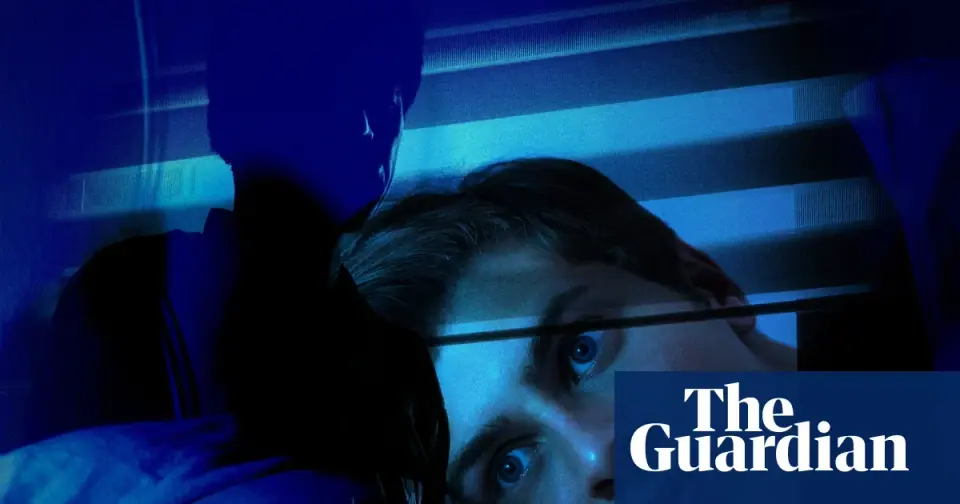
Harvard neuroscientist Baland Jalal argues that sleep paralysis is a brain glitch where the sensory cortex awakens while the body remains in REM-induced paralysis. In his new book, The Phantom Mind, Jalal explains that this state triggers vivid hallucinations, often perceived as demonic or supernatural, due to distorted body image and heightened amygdala activity. He notes that cultural beliefs shape these visions, with anxiety and stress exacerbating the condition. Jalal proposes a cognitive strategy involving emotional detachment and acceptance to reduce episode frequency, suggesting that the phenomenon may offer insights into consciousness and spirituality.
Key points
- Baland Jalal, a Harvard neuroscientist, has published The Phantom Mind, a 271-page book exploring sleep paralysis as a window into consciousness.
- Sleep paralysis occurs when the brainstem maintains REM sleep paralysis while the sensory cortex awakens, creating a liminal state between waking and dreaming.
- Jalal states that up to one in five people experience these episodes, which often involve hallucinations of monsters or doppelgangers due to distorted body image systems.
- The intensity of fear is linked to amygdala activation; anxiety disorders can trigger episodes and potentially lead to PTSD, as physiological stress responses mirror trauma reactions.
- Cultural context shapes the nature of hallucinations, with examples ranging from 'hat men' in Western contexts to jinn in Egypt, creating a feedback loop that increases frequency.
- Jalal suggests a coping strategy involving closing eyes, reframing the event as harmless, and accepting the paralysis rather than resisting it, which showed a 50% reduction in episodes in a pilot study with narcolepsy patients.
Background
Sleep paralysis has long been associated with folklore and supernatural beliefs, but modern neuroscience attributes it to a mismatch between brain states. Jalal’s work builds on previous research linking the condition to serotonin 2A receptors, similar to those affected by psychedelic drugs, which explains the overwhelming dread and vividness of the hallucinations. His approach bridges scientific analysis with an interest in the spiritual implications of consciousness, reflecting a broader trend in neuroscience exploring the boundaries of subjective experience.
Why it matters
Understanding sleep paralysis helps demystify a terrifying phenomenon that affects a significant portion of the population, reducing fear and anxiety associated with the experience. Jalal’s research highlights the interplay between neurobiology, culture, and psychology, offering practical strategies for managing chronic cases. By identifying the neural mechanisms behind these episodes, scientists can better address related conditions like anxiety and PTSD, while also exploring how the brain constructs reality during vulnerable states.
What to watch
Jalal plans to conduct further experiments to test how sleep paralysis experiences influence beliefs and spirituality, potentially identifying a 'spirituality circuit' in the brain. He aims to expand research on cognitive strategies to mitigate the condition, building on the initial success of the Italian pilot study. The release of The Phantom Mind on 12 November may spark broader public and academic interest in the intersection of sleep science and consciousness studies.
Want the full story? Read the original reporting
Read on The Guardian