Tag

Rem Sleep

All articles tagged with #rem sleep

Dream Warnings: Can Nightmares Signal Hidden Health Issues?
health28 days ago

Dream Warnings: Can Nightmares Signal Hidden Health Issues?

Experts say some dreams can function as prodromal signals of illness, but most nightmares are harmless. The piece discusses how vivid, recurring dreams may reflect stress or emerging disease, highlighting Isabella Cavallo’s case in which dreams preceded an early cervical cancer diagnosis. It also notes REM sleep disorders can precede Parkinson's disease. While not a reliable predictor for individuals, noticing meaningful dream changes and discussing them with a doctor can prompt earlier testing and healthier lifestyle adjustments.

Dreams as Health Signals: What Sleep Experts Say Your Night Visions Mean
health1 month ago

Dreams as Health Signals: What Sleep Experts Say Your Night Visions Mean

Sleep doctors say dreams are a normal part of REM sleep, likely tied to memory processing and emotional processing. While dream interpretation isn’t exact science, common themes (teeth falling out, being chased, falling, naked in public, failing a test, flying, infidelity, drowning, seeing deceased loved ones, and sex) often reflect daytime stress, fears, and personal concerns. REM sleep concentrates in the second half of the night and helps sort memories, so these nightly narratives can offer insight into your mental state, though they do not diagnose health issues by themselves.

Snooze Dilemma: When Hitting Snooze Helps or Hurts Sleep
health2 months ago

Snooze Dilemma: When Hitting Snooze Helps or Hurts Sleep

A global six‑month study tracked more than 21,000 adults and found snoozing is common (about 2.4 extra alarms per morning); the health impact is mixed: some data suggest snoozing can reduce morning grogginess for well‑rested individuals, but it may disrupt sleep schedules and REM sleep, and evidence that a few extra minutes affect next‑day performance is limited. If snoozing masks underlying sleep problems, focus on sleep hygiene and maintaining a consistent wake time, and consult a clinician to address root causes if sleep issues persist.

Waking Up Between 3-5 AM May Signal a Message from Your Brain
health-and-wellness8 months ago

Waking Up Between 3-5 AM May Signal a Message from Your Brain

Waking up between 3-5 AM is often a sign from your body indicating stress, circadian misalignment, or sleep debt. These early awakenings are linked to natural hormonal cycles and REM sleep phases, and understanding them can help improve sleep quality by aligning routines with your biological clock, managing stress, and optimizing light exposure. Embracing your chronotype and listening to your body's signals can lead to better sleep health.

"Interpreting Birds' Dreams for Insights into Human Dreaming"
science2 years ago

"Interpreting Birds' Dreams for Insights into Human Dreaming"

New research on the avian brain and REM sleep in birds suggests that birds may dream, challenging historical assumptions about animal consciousness. Studies have revealed that birds' brains share similarities with human brains, particularly in the regions associated with planning, sensory processing, and emotional responses, which are also crucial for REM sleep. This challenges past beliefs that birds were mere automatons and opens up new possibilities for understanding the nature of dreams and consciousness across species.

"The Impact of Sleep Deprivation on Memory"
health2 years ago

"The Impact of Sleep Deprivation on Memory"

Sleep deprivation, even just one night of less than six hours of rest, can impair short-term memory and hinder the brain's ability to form and recall memories. The longer one goes without adequate rest, the greater the burden on the brain, with extreme sleep deprivation causing behavior similar to intoxication. Lack of REM sleep, which occurs in the final hours of rest, may lead to difficulty remembering things, increased irritability, and anxiety.

The Power of Sleep: Maximizing Health and Quality of Life
health2 years ago

The Power of Sleep: Maximizing Health and Quality of Life

Sleep is a crucial process that allows the body to rest and recover. Different age groups require varying amounts of sleep, ranging from 14-17 hours for newborns to 6-7 hours for adults. Sleep consists of different stages, including NREM and REM sleep, with each stage serving different functions such as energy conservation, self-repair, and brain maintenance. Sleep deprivation can have detrimental effects on health, including increased inflammation, hypertension, heart disease, impaired glucose tolerance, insulin resistance, and an increased risk of various diseases. Factors such as excessive stimulant use, smoking/alcohol consumption, obesity, sedentary lifestyle, and vitamin deficiencies can disrupt sleep patterns and contribute to sleep disorders. Proper treatment of sleep disorders is essential for maintaining overall health.

The Impact of Caffeine on REM Sleep and Brain Blood Flow
health2 years ago

The Impact of Caffeine on REM Sleep and Brain Blood Flow

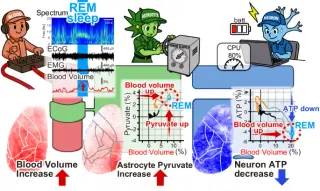
A study conducted on mice by researchers from the University of California Los Angeles has found that caffeine consumption can delay the onset of REM sleep and alter blood flow to the brain. The study observed that caffeine caused mice to sleep more solidly but delayed their short nap during the latter part of their awake phase. Additionally, daily caffeine administration shifted the onset of sleep, particularly REM sleep, by up to two hours relative to the light-dark cycle. The researchers also discovered that brain blood flow was higher when the mice were awake and lower during sleep, except during periods of REM sleep when there were significant increases in brain blood flow. These findings suggest that caffeine affects sleep patterns and brain function, potentially impacting overall sleep quality.

Decoding the Secrets of Dreams: Unveiling the Unconscious Mind
science2 years ago

Decoding the Secrets of Dreams: Unveiling the Unconscious Mind

REM sleep, also known as rapid eye movement sleep, is the stage of sleep where our brain activity is most likely to be recalled and reported when we're awake. It is believed to serve multiple purposes, including preventing us from sleeping too deeply, regulating body temperature, and consolidating memories and emotions. During REM sleep, our brain undergoes a deep-cleaning process, restoring chemicals and tidying up recent memories and feelings. Dreams during this stage may be a result of the brain's attempt to make sense of the day's activities. While the scientific understanding of the physiological aspects of REM sleep is good, the psychological and spiritual aspects of dreaming remain largely hidden.

The Role of Locus Coeruleus in Sleep Quality and Memory
neuroscience2 years ago

The Role of Locus Coeruleus in Sleep Quality and Memory

The locus coeruleus, a small brain nucleus responsible for managing noradrenaline, has been found to play a crucial role in regulating REM sleep and its impact on cognitive processes such as memory and emotions. Advanced MRI studies have revealed a correlation between locus coeruleus activity during wakefulness and REM sleep quality, particularly in individuals aged 50-70. These findings could provide insights into sleep disorders and their connection to conditions like Alzheimer's disease.