
Keeping brain-repairing microglia active post-stroke enhances recovery
TL;DR
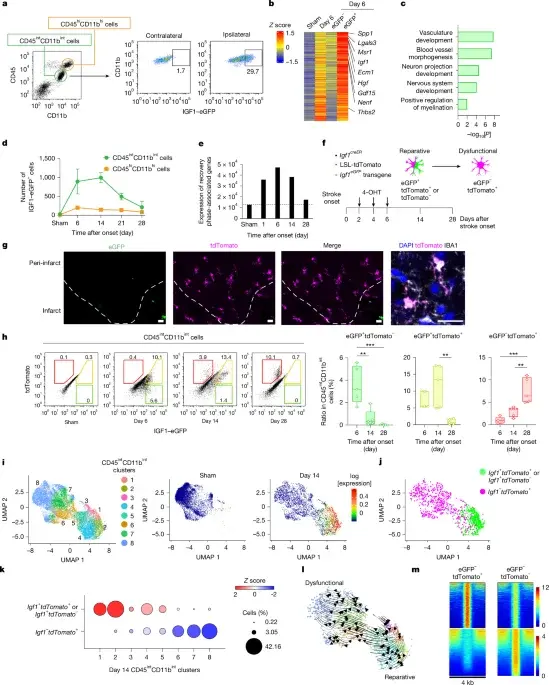
Ischemic stroke triggers reparative microglia that should aid recovery, but these cells later lose their reparative gene expression due to ZFP384 suppressing YY1-driven recovery-phase genes. The study shows antisense oligonucleotides targeting ZFP384 can sustain microglial reparative programs, prolonging neural repair and improving functional recovery even in chronic stroke, with IGF1 signaling playing a key role and human data showing ZFP384 inversely correlates with IGF1 in peri-infarct tissue.
- Sustaining microglial reparative function enhances stroke recovery Nature
- Harnessing Immune Pathways for Stroke Recovery: Overcoming Challenges to Clinical Translation American Heart Association Journals
- Boosting Microglia Repair Accelerates Stroke Recovery Bioengineer.org
- Neuroimmunology: Unlocking the potential for brain injury recovery Business News Nigeria
Want the full story? Read the original reporting
Read on Nature