Tag

Microglia

All articles tagged with #microglia

Calcium Sparks in Brain's Immune Cells Fuel Anxiety and Compulsive Grooming
science11 days ago

Calcium Sparks in Brain's Immune Cells Fuel Anxiety and Compulsive Grooming

University of Louisville researchers reveal that calcium signaling within Hoxb8 microglia, a brain immune cell type, acts as a switch for anxiety and compulsive grooming in mice. Artificially increasing calcium triggers these behaviors, while blocking calcium entry prevents them, implicating microglial calcium homeostasis as a potential target for neuropsychiatric conditions such as autism and OCD.

Keeping brain-repairing microglia active post-stroke enhances recovery
science13 days ago

Keeping brain-repairing microglia active post-stroke enhances recovery

Ischemic stroke triggers reparative microglia that should aid recovery, but these cells later lose their reparative gene expression due to ZFP384 suppressing YY1-driven recovery-phase genes. The study shows antisense oligonucleotides targeting ZFP384 can sustain microglial reparative programs, prolonging neural repair and improving functional recovery even in chronic stroke, with IGF1 signaling playing a key role and human data showing ZFP384 inversely correlates with IGF1 in peri-infarct tissue.

Blocking GPNMB Could Slow Parkinson's Progression
health13 days ago

Blocking GPNMB Could Slow Parkinson's Progression

Researchers identify the brain protein GPNMB, largely produced by microglia, as a driver of alpha-synuclein spread in Parkinson's disease. Monoclonal antibodies that block GPNMB halted this spread in neuronal models, and analysis of 1,675 brains linked higher GPNMB levels to more extensive pathology, suggesting a potential disease-modifying therapy—though human trials have not yet begun.

Old Antibiotic, New Panic Aid: Minocycline Shows Promise
health21 days ago

Old Antibiotic, New Panic Aid: Minocycline Shows Promise

A study suggests repurposing minocycline, an existing antibiotic, to treat panic attacks: in both mice and humans exposed to CO2 it reduced panic severity and dampened microglia-driven inflammation, offering a potential faster route to approval and a mechanism distinct from clonazepam, though larger trials and considerations about antibiotic resistance are needed.

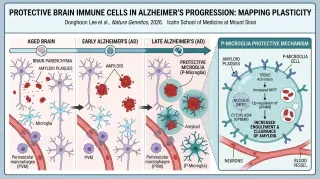
Blocking PTP1B Sparks Memory Gains and Plaque Clearance in Alzheimer's Model
health-and-medicine26 days ago

Blocking PTP1B Sparks Memory Gains and Plaque Clearance in Alzheimer's Model

Blocking the protein PTP1B improved learning and memory in a mouse model of Alzheimer's by boosting microglial clearance of amyloid-β plaques through enhanced SYK signaling; because PTP1B is also tied to obesity and diabetes, this approach could address multiple disease pathways and be combined with existing Alzheimer's treatments, with DepYmed, Inc. collaborating to develop the inhibitors.

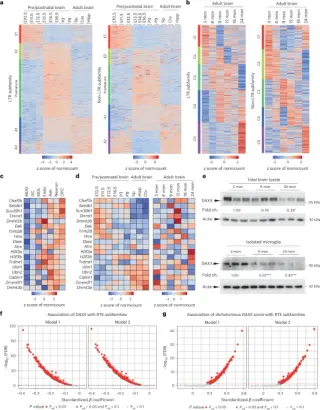
Grey-matter microglia coordinate repair after focal white-matter demyelination
science1 month ago

Grey-matter microglia coordinate repair after focal white-matter demyelination

A targeted white‑matter lesion in a defined neural circuit triggers a transient grey‑matter microglial response, synapse loss, and reduced neuronal activity upstream of the lesion; these changes resolve as remyelination proceeds. Blocking microglia impairs remyelination, while aging diminishes this regenerative grey‑matter response, leading to chronic inflammation. The study reveals a circuit‑level regenerative plasticity that couples white‑matter integrity to grey‑matter function and suggests myelin‑regenerative therapies could mitigate chronic neuroinflammation in MS and related diseases.

Brain Switch in the Hippocampus Dictates Pain-Related Depression Risk
science1 month ago

Brain Switch in the Hippocampus Dictates Pain-Related Depression Risk

Large-scale brain imaging and animal studies show chronic pain gradually reshapes the hippocampus; early adaptations (larger volume and higher activity) correlate with resilience, while later changes include reduced hippocampal volume, disrupted activity, and cognitive decline that accompany depression. A dentate gyrus–microglia interaction appears to be a key switch from adaptive to maladaptive responses, and reducing hippocampal inflammation in animals improved depression-like symptoms, suggesting early anti-inflammatory treatment could help prevent pain-induced depression.

Nose as Early Alarm: Immune-Driven Olfactory Breakdown in Alzheimer’s
science1 month ago

Nose as Early Alarm: Immune-Driven Olfactory Breakdown in Alzheimer’s

New research links the initial signs of Alzheimer’s to brain immune cells (microglia) destroying scent-related connections between the olfactory bulb and locus coeruleus, driven by membrane changes on neurons; evidence from mice, human tissue, and PET scans suggests smell loss could serve as an early diagnostic cue and support earlier treatment with amyloid-beta antibodies.

Brain immune cells may spark Alzheimer’s plaques, reshaping disease triggers
science1 month ago

Brain immune cells may spark Alzheimer’s plaques, reshaping disease triggers

A new study suggests brain immune cells (microglia) can actively initiate amyloid plaques by reshaping amyloid-beta into fibers and promoting tau tangles, challenging the view that microglia only clear plaques and implying that early inflammatory responses may set the stage for Alzheimer’s progression; this could influence timing and targets of future therapies.

Hippocampus Changes Explain Why Chronic Pain Fuels Depression
science2 months ago

Hippocampus Changes Explain Why Chronic Pain Fuels Depression

A large neuroimaging study shows chronic pain progressively reshapes the hippocampus: early adaptive increases in dentate gyrus activity give way to abnormal microglial activation and hippocampal shrinkage, linked to cognitive decline and depression across various pain types. Animal data suggest minocycline can dampen this process and preserve hippocampal structure; meanwhile, lifestyle factors and mindfulness may boost hippocampal volume and reduce depression risk, implying early, targeted treatment of pain could prevent depressive outcomes.

Unabsorbed fructose linked to anxiety through gut-brain inflammation
mental-health2 months ago

Unabsorbed fructose linked to anxiety through gut-brain inflammation

A Brain Behavior and Immunity study links fructose malabsorption to higher anxiety traits and systemic inflammation in healthy men, via gut microbiome changes; in mice, unabsorbed fructose increased anxiety- and depressive-like behaviors and brain inflammation driven by microglia, suggesting a gut-brain pathway by which sugar-rich diets may affect mental health. The human study was observational and limited to males, indicating a need for broader trials and potential low-fructose dietary interventions.

Exercise-boosted muscle vesicles reprogram microglia to clear amyloid in Alzheimer’s mice
science2 months ago

Exercise-boosted muscle vesicles reprogram microglia to clear amyloid in Alzheimer’s mice

Swim-based exercise increases skeletal muscle-derived extracellular vesicles (SKM-EVs) that are taken up by brain microglia, promoting a disease-associated microglia phenotype and enhanced clearance of amyloid-beta plaques; the EV cargo miR-378a-3p modulates lipid metabolism by targeting p110α, and delivering miR-378a-3p–overexpressing EVs alleviates cognitive impairment in APP/PS1 mice, suggesting a muscle-to-brain myokine mechanism and a potential exercise-mimetic therapy for Alzheimer’s disease.