
Mice With Human Cortical Neurons: A New Frontier in Brain Research
TL;DR Summary
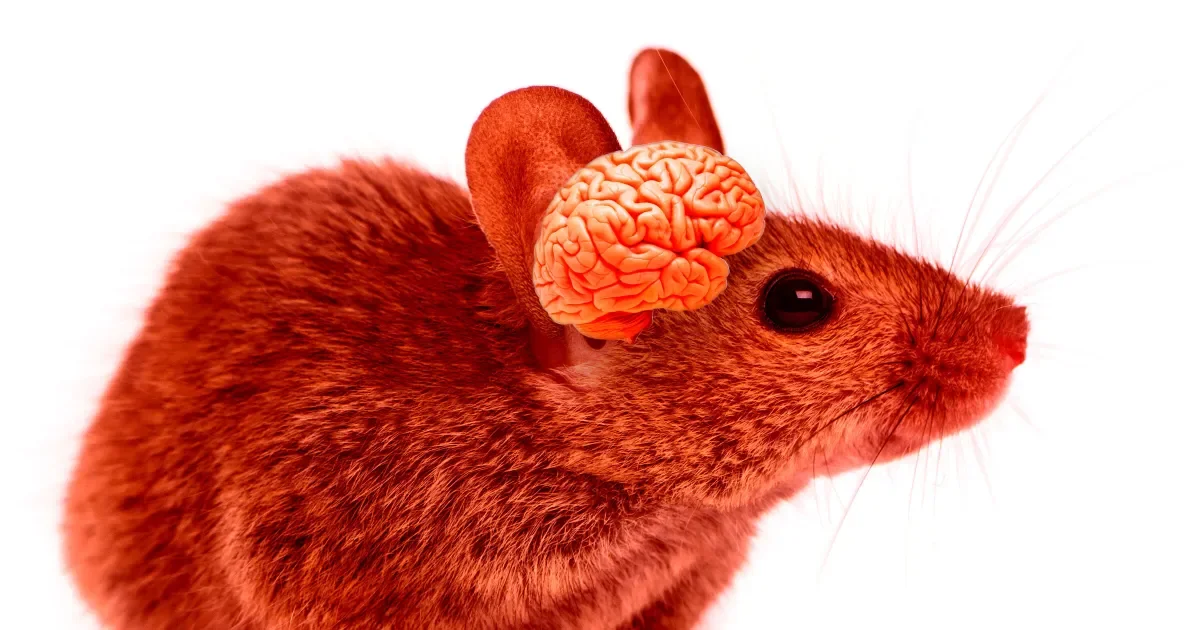
Stanford researchers engineered mice missing a cortical region and implanted human cortical neurons, which proliferated to millions and connected with the mouse brain, creating a partly human brain in the mice. The model could help study human brain development and neurocognitive diseases, including frontotemporal dementia linked to von Economo neurons, but it raises ethical questions about consciousness and animal rights. The human neurons remained immature, the study was halted at six months to avoid potential consciousness markers, and oxygen deprivation at birth produced brain damage in the human-neuron mice, unlike typical mice.
- Scientists Unleash Franken-Mice With Brains That Are Nearly Half Human Futurism
- Developmental xenocortication using human-derived organoids in mice Nature
- Stanford Medicine team creates advanced model for studying brain development, disorders Stanford Medicine
- These Mice Have Partly Human Brains The New York Times
- Meet a mouse whose brain cortex is made up of human cells MIT Technology Review
Reading Insights
Total Reads
1
Unique Readers
8
Time Saved
3 min
vs 4 min read
Condensed
87%
688 → 92 words
Want the full story? Read the original article
Read on Futurism