
Brain scans show menopause pauses age-related gray matter loss
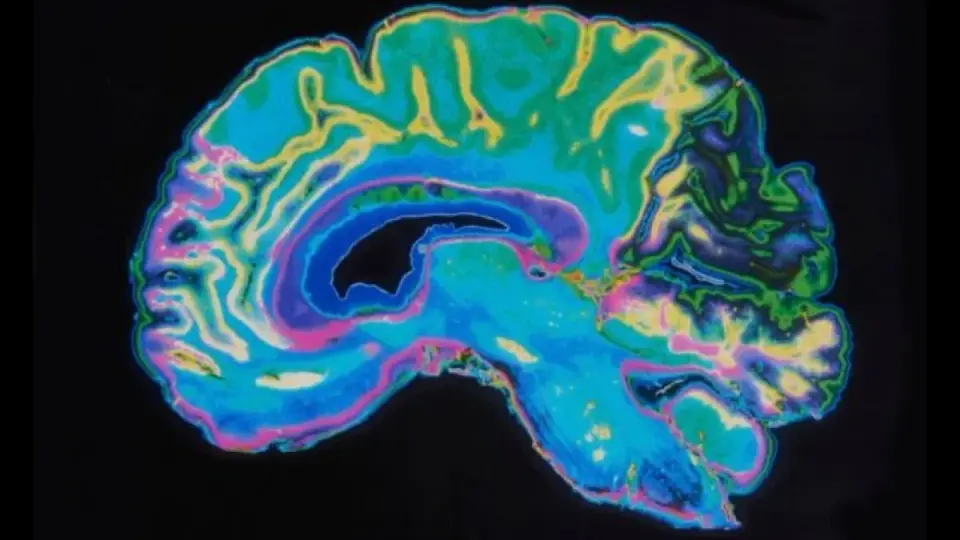
A new study reveals that the menopause transition temporarily halts the natural age-related decline in brain gray matter, contrasting with the accelerated loss seen during puberty and pregnancy. Published in Nature Communications, the research suggests a unique pattern of neural plasticity during this hormonal shift, though the exact mechanisms remain unclear.
Key points
- Researchers found that cortical gray matter loss, which typically accelerates during puberty and pregnancy, pauses during the menopause transition.
- The study, led by Sophie van 't Hof, analyzed MRI data from over 1,000 women across different life stages, including 843 from the UK Biobank.
- While puberty and pregnancy showed significant gray matter reductions, women transitioning through menopause showed no statistically significant volume loss compared to pre- or post-menopausal controls.
- The findings suggest that declining sex steroid hormones may be linked to a temporary stabilization of brain volume, though causality is not yet proven.
- This is the first whole-brain longitudinal study to examine gray matter changes specifically across the menopause transition, highlighting a gap in previous research that focused only on isolated regions like the hippocampus.
Background
Previous research has established that puberty and pregnancy involve significant brain remodeling, often described as 'neural fine-tuning' where gray matter volume decreases to optimize function. Earlier studies, such as a 2018 investigation, noted accelerated gray matter loss in the hippocampus during menopause, but this new study challenges that view by showing a pause in overall cortical decline. Background from our archive also highlights concerns that early menopause may be linked to faster cognitive decline and Alzheimer's risk, suggesting that the timing and duration of hormonal exposure play a critical role in long-term brain health. This new finding adds nuance to the understanding of how menopause impacts the brain, suggesting a complex interplay between hormonal changes and neural structure rather than a simple trajectory of decline.
How outlets are covering it
ScienceAlert and PsyPost emphasize the novelty of the finding, noting that this is the first study to examine whole-brain gray matter changes across the menopause transition. They highlight the contrast between the accelerated loss in puberty/pregnancy and the pause in menopause. Science News frames the finding as a 'break' in brain changes, reinforcing the idea that hormonal ebbs and flows are reflected in brain structure. The i Paper, while not directly discussing the study, provides a personal perspective on the cognitive impacts of perimenopause, such as brain fog, and the potential benefits of hormone replacement therapy (HRT) in mitigating these effects. This contrasts with the study's finding that HRT did not significantly alter the brain volume patterns observed, suggesting that the pause in gray matter loss may be an inherent part of the menopause transition rather than a result of external interventions. The outlets agree on the significance of the finding but differ in their emphasis on the practical implications for women experiencing cognitive symptoms during menopause.
Why it matters
Understanding how menopause affects brain structure is crucial for developing strategies to protect cognitive health in older women. The finding that menopause may pause age-related gray matter loss could have implications for the timing and use of hormone replacement therapy, as well as for the development of interventions to mitigate cognitive decline. It also highlights the need for more research into the long-term effects of menopause on the brain, particularly in relation to neurodegenerative diseases like Alzheimer's. By providing a clearer picture of how the brain changes during this critical life stage, the study can inform clinical practices and public health policies aimed at supporting women's brain health.
What to watch
Future research will likely focus on determining the causal relationship between hormonal changes and brain volume loss during menopause. Researchers may also investigate the long-term effects of the pause in gray matter loss on cognitive function and the risk of neurodegenerative diseases. Additionally, there may be a push to include sex as an analytic variable in more neuroscience studies, as currently only a small percentage of research focuses exclusively on females or considers sex as a factor. The findings may also lead to a reevaluation of the role of HRT in managing cognitive symptoms during menopause, with a focus on understanding the optimal timing and duration of treatment.
- Menopause May Temporarily Alter Your Brain's Normal Aging, Scans Reveal ScienceAlert
- During menopause, brain changes surprisingly take a break Science News
- Puberty, pregnancy, and menopause are accompanied by distinct patterns of brain plasticity PsyPost
- Dementia runs through my family – then at 44 I started getting brain fog The i Paper
- Could You Have Menopause-Related Brain Fog? Ask Yourself These Six Questions Katie Couric Media
Want the full story? Read the original reporting
Read on ScienceAlert