
Petting dogs may not calm stress immediately, but it prepares the body for future challenges
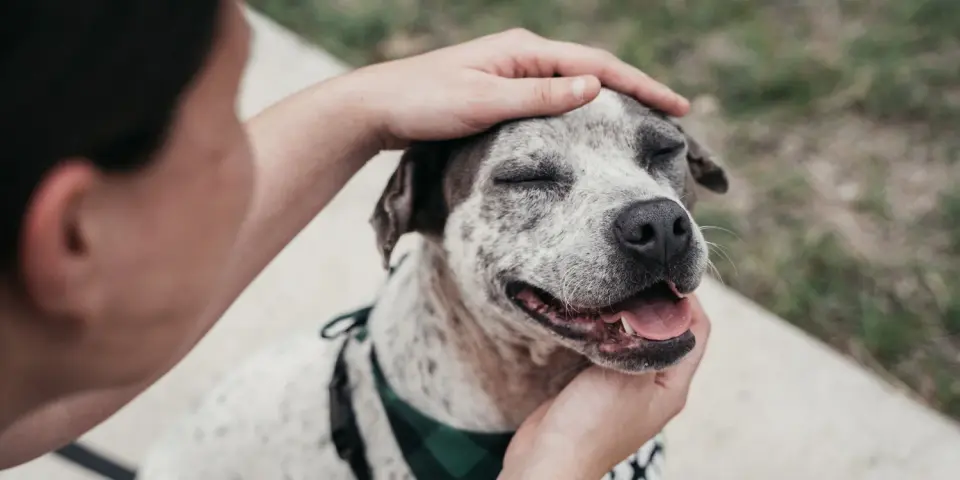
A new study from the University of Innsbruck reveals that physical touch with dogs does not immediately reduce stress but acts as a buffer, lowering physiological responses to subsequent stressors. Published in Biological Psychology, the research found that petting dogs before a second stress test resulted in calmer heart rates and brain activity compared to non-contact interactions. While eye contact and verbal interaction did not provide the same protective effect, the findings suggest that tactile contact prepares the body to handle future challenges more calmly, highlighting touch as a key mechanism in human-animal bonding.
Key points
- Study published in Biological Psychology by Vanessa Kaufmann, Annett Schirmer, and Xiaoqin Cheng at the University of Innsbruck.
- 64 dog owners participated in a controlled experiment involving two rounds of mental stress tests.
- Physical touch with dogs did not speed up immediate recovery from the first stress test.
- However, touch acted as a buffer, resulting in lower heart rates and calmer brain activity during the second stress test.
- Eye contact and verbal interaction without physical contact did not provide the same protective physiological effects.
- Participants spent approximately 64% of the recovery time physically touching their dogs when allowed.
Background
Previous research, including a 2025 study covered by PsyPost, indicated that dogs could lower cortisol levels during stress tests, but the specific mechanism was unclear. Earlier trials in 2019 and 2021 yielded mixed results regarding whether touch or verbal interaction was more effective. This new study isolates physical touch to determine its specific role in stress buffering, building on prior findings that animal contact may act as a preventative shield against stress.
Why it matters
Understanding the specific mechanisms of human-animal interaction can improve therapeutic interventions. If touch is confirmed as a key factor in stress buffering, it could inform the design of animal-assisted therapy programs, emphasizing physical contact over mere presence. This has implications for mental health treatments, particularly for individuals who rely on pets for emotional support, suggesting that tactile interaction may have measurable physiological benefits beyond subjective feelings of comfort.
What to watch
Researchers plan to investigate the sensory mechanisms behind touch, such as the role of mechanoreceptors in the fingers, and how the relationship with the animal influences stress regulation. Future studies will need to test these findings in diverse populations and real-world stressors, as the current study was limited to a small, homogeneous sample of White European adults. Additionally, researchers aim to determine if the benefits of touch extend to interactions with unfamiliar animals or if they are specific to the bond between owner and pet.
Want the full story? Read the original reporting
Read on PsyPost