Tag

Human Animal Interaction

All articles tagged with #human animal interaction

Dog Touch Buffers Future Stress, Not Immediate Recovery
science1 month ago

Dog Touch Buffers Future Stress, Not Immediate Recovery

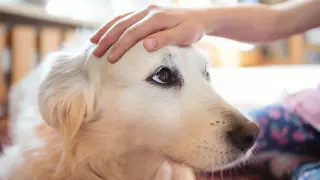
A new study from the University of Innsbruck reveals that physically touching a dog after a stressful event does not immediately reduce current stress levels but significantly buffers the body against future stress. Researchers found that while petting did not speed up recovery from an initial stressor, it prepared participants to handle a subsequent stress test with lower heart rates and calmer brain activity. This suggests that the physical contact acts as a preventative shield rather than an immediate cure, offering a biological mechanism for the well-being benefits of pet ownership.
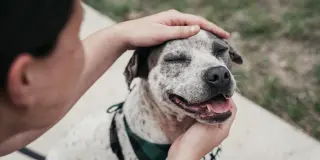

Petting dogs may not calm stress immediately, but it prepares the body for future challenges
science1 month ago

Petting dogs may not calm stress immediately, but it prepares the body for future challenges

A new study from the University of Innsbruck reveals that physical touch with dogs does not immediately reduce stress but acts as a buffer, lowering physiological responses to subsequent stressors. Published in Biological Psychology, the research found that petting dogs before a second stress test resulted in calmer heart rates and brain activity compared to non-contact interactions. While eye contact and verbal interaction did not provide the same protective effect, the findings suggest that tactile contact prepares the body to handle future challenges more calmly, highlighting touch as a key mechanism in human-animal bonding.

New Study Finds Humans, Not Dogs, Disrupt Sleep During Co-Sleeping
science1 month ago

New Study Finds Humans, Not Dogs, Disrupt Sleep During Co-Sleeping

A new University of Toronto study published in PLOS One indicates that sleeping with dogs does not negatively impact human sleep quality or duration. Using activity trackers on 25 people and 38 dogs in southern Ontario, researchers found that humans are more likely to disturb their dogs' sleep than vice versa. While some participants reported poor sleep when sharing a bed with multiple dogs, objective data showed no significant difference in sleep metrics compared to sleeping apart. The findings suggest that dogs may actually help regulate human sleep schedules by acting as 'zeitgebers,' providing consistent cues for bedtime and routine.

"The Fascinating Behavior of Australia's Trash-Stealing Parrots"
animal-behavior2 years ago

"The Fascinating Behavior of Australia's Trash-Stealing Parrots"

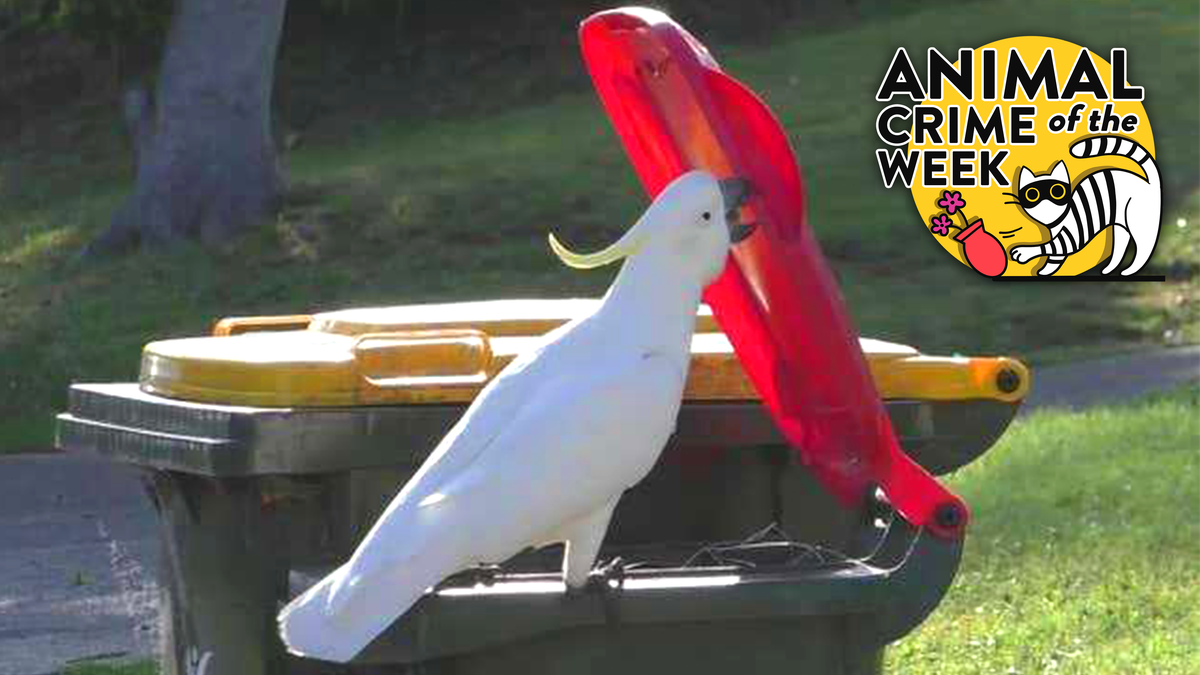
Sulphur-crested cockatoo parrots in Sydney, Australia have developed a habit of breaking into trashbins and pilfering garbage, leading to a cultural clash with human neighbors. Scientists studying the birds have found that the behavior has spread across different neighborhoods, showcasing a clear example of animal culture. This has sparked an "arms race" between the parrots and humans, with both sides adopting new tactics to outsmart each other. The outcome of this trash dispute remains uncertain, highlighting the unexpected ways in which animals and humans interact.

Ravens and Humans: A 30,000 Year Old Food Attraction
science3 years ago

Ravens and Humans: A 30,000 Year Old Food Attraction

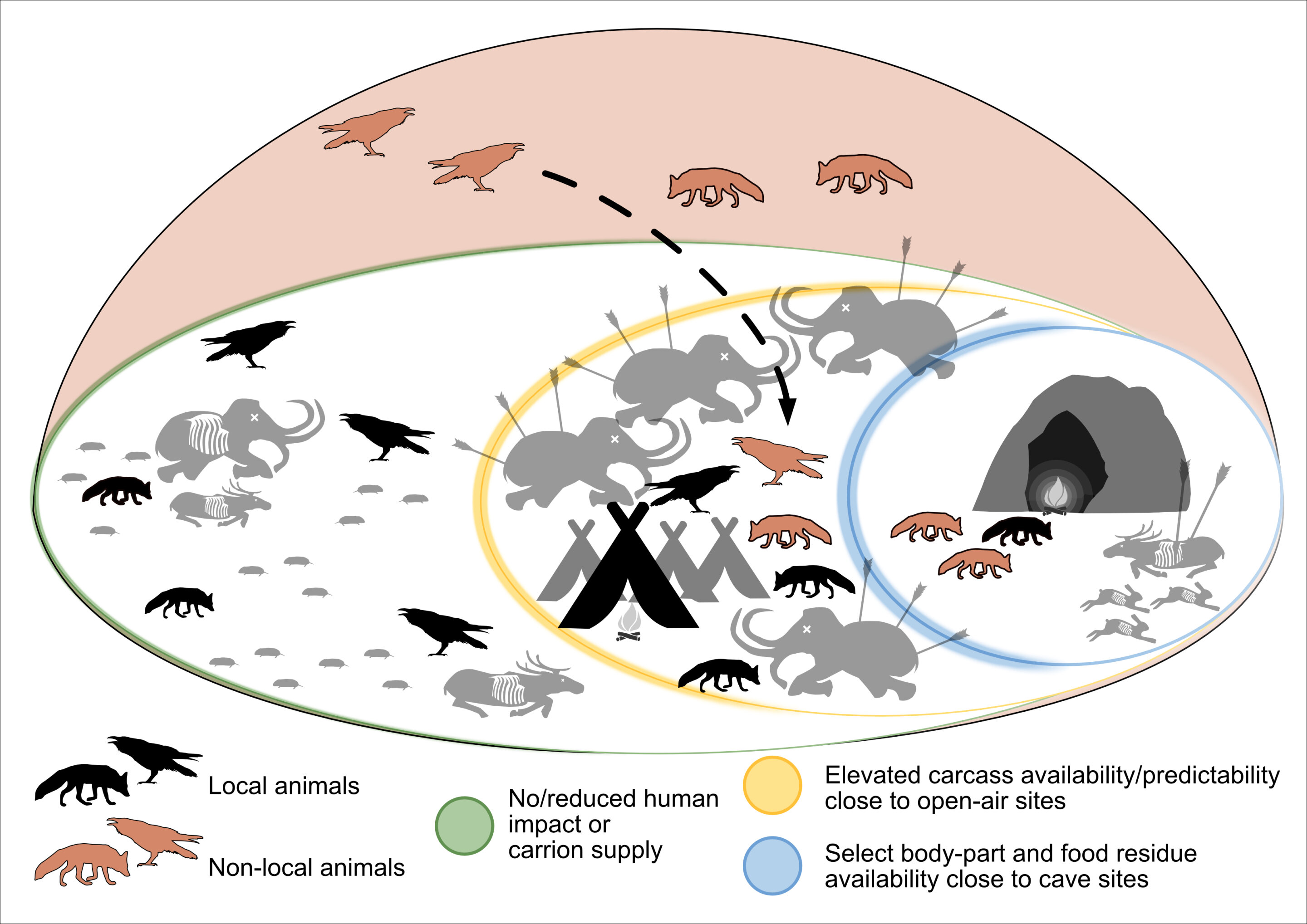
A study by researchers from the Universities of Tübingen, Helsinki, and Aarhus presents new evidence that ravens helped themselves to people's scraps and picked over mammoth carcasses left by human hunters during the Pavlovian culture more than 30,000 years ago in what is now Moravia in the Czech Republic. The large number of raven bones found at the sites suggests that the birds in turn were a supplementary source of food, and may have become important in the culture and worldview of these people. The animals' behavior was oriented toward what humans were doing in their environment, and humans, in turn, took advantage of it, catching ravens, possibly for their feathers and meat.

The Science of Winning Your Cat's Love
science3 years ago

The Science of Winning Your Cat's Love

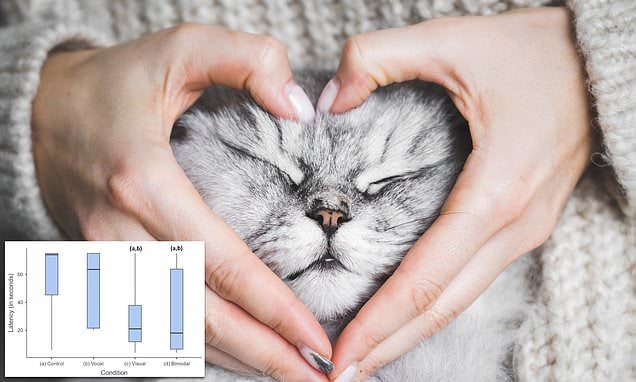
Scientists from Paris Nanterre University conducted a study in a cat cafe to determine the best way to attract cats. They found that cats responded most quickly to human strangers when they offered vocal and visual cues together, like calling their name while reaching out their hand. When the human ignored the animals completely, they were more likely to wag their tail - a sign of frustration or agitation. The researchers hope their findings will improve the quality of human-cat relationships and cat welfare.