
Targeted Glycine Transporter Silencing Revives NMDA Receptors in Autism Models
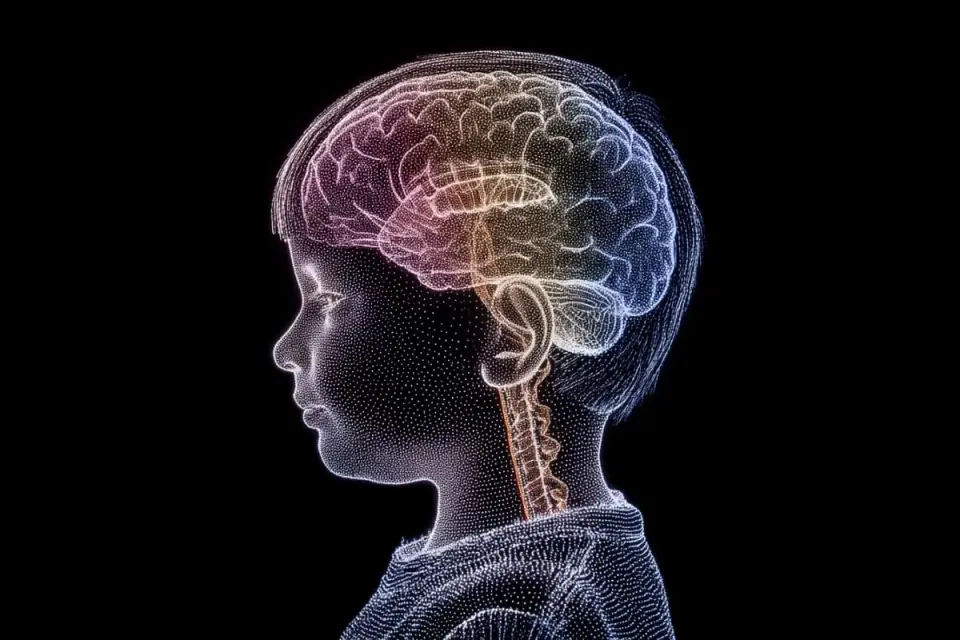
Researchers used antisense oligonucleotides to suppress Slc6a20a/SLC6A20, a glycine transporter concentrated in cortex and hippocampus, restoring NMDA receptor (NMDAR) function and reversing social, communication, and repetitive-behavior deficits in adult SHANK2/SHANK3 mutant mice and human cortical organoids. The treatment normalized phosphorylation signaling at synapses, showed durable effects for at least 8 weeks after a single dose, and avoided dangerous brainstem side effects seen with previous GlyT1-targeted approaches. This approach, which modulates endogenous signaling rather than re-expressing genes, holds promise for ASD and other NMDAR-hypofunction disorders such as schizophrenia and could translate from mice to human models.
- Silencing One Brain Gene May Reverse Autism Deficits Neuroscience News
- Novel therapy may reverse autism-related brain deficits, study suggests Medical Xpress
- A Pathway to Improving Core Symptoms of Autism Unveiled... IBS Presents New Therapeutic Strategy [Reading Science] 아시아경제
- Study Reverses Structural Autism Deficits in Brain Cells Neuroscience News
- Activating specific neural circuits rescues autism-like behaviors in mouse model Medical Xpress
Want the full story? Read the original reporting
Read on Neuroscience News