
Nano-ERASER Therapy Regenerates Neurons and Restores Cognition in Alzheimer's Mice
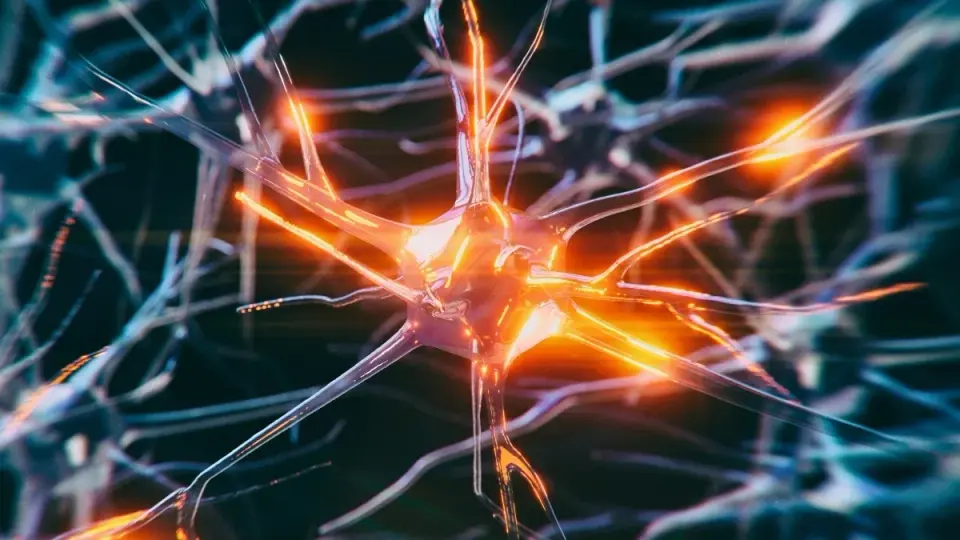
Researchers at the University of South Carolina have demonstrated that a modified delivery system called Nano-ERASER can reverse cognitive decline in mouse models of Alzheimer's disease. By targeting the protein PTBP1, the treatment prompts astrocytes to convert into functional neurons. After two injections, treated mice showed improved memory, restored nesting behaviors, and higher neuron density, suggesting a potential path to regenerating lost brain tissue rather than merely slowing disease progression.
Key points
- The study, led by Peisheng Xu at the University of South Carolina, utilized Nano-ERASER, an injectable polymer nanogel containing nanoparticles, to deliver antibodies that degrade specific proteins.
- The target protein, PTBP1, normally suppresses the conversion of astrocytes into neurons in mature brains; degrading it allowed astrocytes to regenerate as new neurons.
- In lab settings, the converted neurons formed functional networks, confirmed via microelectrode arrays.
- In mouse models, treated subjects recovered the ability to build nests and performed better in water maze memory tests within weeks.
- Biological markers for Alzheimer's, including inflammation and protein buildup, improved in the brains of treated mice.
- The team plans to test the technique in primates and over longer periods before considering clinical application.
Background
This development follows a series of 2026 studies exploring the reversal of Alzheimer's symptoms in mice. Previous research highlighted that blocking brain immune cells could restore sleep, while other studies showed that drugs like KCL-286 or the upregulation of the SORLA protein could reduce inflammation and tau tangles. While those earlier studies focused on slowing decline or reducing specific markers, the current research focuses on structural regeneration of neurons, a distinct approach to addressing neurodegeneration.
Why it matters
Current Alzheimer's treatments primarily aim to slow disease progression, as the adult brain typically cannot replace lost neurons. This research offers a potential method to actively regenerate neurons and restore synaptic architecture, which could address the core structural consequences of neurodegeneration. If successful in humans, this approach could provide a therapeutic avenue for reversing cognitive loss rather than just mitigating it.
What to watch
The research team intends to validate these findings by testing the Nano-ERASER technique in primate models and over extended timeframes. These steps are necessary to determine if the observed benefits in mice translate to humans and to assess long-term safety and efficacy before potential clinical trials.
Want the full story? Read the original reporting
Read on ScienceAlert