
NIH Board Unanimously Condemns Kennedy's Vaccine Clinic as Politicized
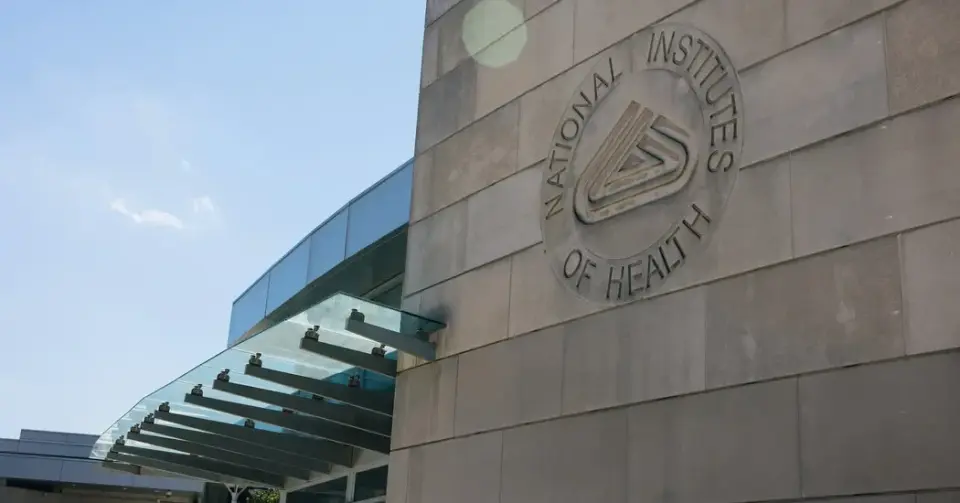
The board overseeing the National Institutes of Health Clinical Center voted unanimously to rebuke Health Secretary Robert F. Kennedy Jr. for launching a new vaccine injury clinic. Chairman Jack Leslie accused Kennedy of politicizing scientific research and undermining public trust by staging a public event with pre-determined narratives. While Kennedy framed the initiative as listening to patients, the board argued that the presentation of the clinic compromises the integrity of the research it is meant to conduct.
Key points
- The NIH Clinical Center board voted unanimously to support a statement from Chairman Jack Leslie criticizing Kennedy’s actions.
- Leslie described Kennedy’s unannounced visit to the Bethesda headquarters as 'troubled' and a violation of scientific norms.
- Kennedy held a ribbon-cutting ceremony and a roundtable with patients holding 'Vaccine Injured' signs, which Leslie viewed as a foregone conclusion.
- The board argued that such political framing destroys public confidence in the hospital’s ability to provide neutral, rigorous research.
- Kennedy’s office did not respond to requests for comment regarding the board’s criticism.
Background
This conflict follows Kennedy’s October 8 announcement of a broader vaccine injury initiative, which included a new NIH clinic and reforms to the Vaccine Adverse Event Reporting System (VAERS). Previous coverage noted that while HHS framed these moves as restoring trust, public health experts warned they could exacerbate vaccine hesitancy. The current dispute highlights the tension between Kennedy’s administration’s push for patient-centered narratives and the scientific community’s demand for methodological neutrality in clinical research.
How outlets are covering it
The New York Times reports that the NIH board’s unanimous vote represents a significant institutional pushback against Kennedy’s direct involvement in clinical research. CIDRAP provides broader context, noting that while the government claims to support vaccine safety, its actions, such as editing CDC guidance to emphasize risks over benefits, contradict the scientific consensus. CIDRAP also highlights that the new initiative does not address the existing backlog in vaccine injury compensation, which takes two to three years to process. The Atlanta Voice source was inaccessible due to a server error, so no perspective could be extracted from it. The primary source emphasizes the ethical breach of using a research hospital for political messaging, while CIDRAP focuses on the systemic implications for vaccine policy and public health infrastructure.
Why it matters
The integrity of the NIH Clinical Center is foundational to U.S. public health credibility. If the public perceives that research is designed to confirm pre-existing political conclusions rather than discover truth, it undermines the trust necessary for effective healthcare. This dispute signals a deepening rift between the Kennedy administration and the scientific establishment, potentially affecting the reliability of future health data and the public's willingness to engage with medical guidance.
What to watch
The board will likely continue to monitor the vaccine injury clinic's operations to ensure scientific standards are maintained. Kennedy’s administration may face further legal or institutional challenges as the First Circuit Court of Appeals reviews the status of the Advisory Committee on Immunization Practices. Public health experts will continue to scrutinize whether the new VAERS reforms and clinic initiatives lead to genuine safety improvements or further polarization in vaccine policy.
- N.I.H. Hospital Board Rebukes Kennedy Over New Vaccine Injury Clinic The New York Times
- A vaccine injury initiative, a contested hepatitis B trial, and edited CDC COVID-19 Vaccine Guidance: The State of U.S. Vaccine Policy CIDRAP
- This Week at FDA: HHS vaccine injury initiative, midterms could reshape congressional committees overseeing FDA, and more RAPS
- RFK Jr. Launches Federal Vaccine Injury Research Center The Atlanta Voice
Want the full story? Read the original reporting
Read on The New York Times