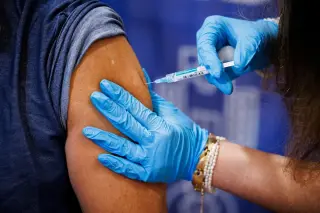
Moderna shares jumped 14% to a four-year high after reports of a new NIH-led national initiative to accelerate cancer vaccine development. The move follows positive Phase 3 results for the company's melanoma therapy and mirrors a similar UK program launched in 2024.
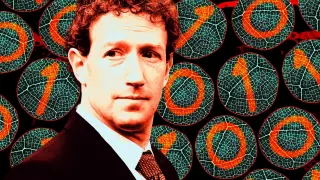
Mark Zuckerberg’s Biohub has joined forces with Google, the U.S. Department of Energy, and the National Institutes of Health in a $1.8 billion initiative to create a 'universal virtual cell.' The project aims to generate massive biological datasets that allow AI to simulate cellular behavior, enabling scientists to test hypotheses digitally before conducting expensive physical experiments. While commercial partners receive a one-year exclusive data window, the ultimate goal is to open these resources to the public to accelerate medical breakthroughs.
Anthony Fauci invoked the Fifth Amendment during a Senate hearing led by Rand Paul and other Republicans, declining to answer questions about past testimony on COVID-19 and its origins; Fauci and his allies call the accusations of perjury baseless, as the inquiry unfolds.
Journalist Katie Couric revealed she recently experienced transient global amnesia, a rare but temporary memory loss episode that left her unable to recall the year or the president during a day in Aspen. Experts say the condition is usually benign, lasts hours, and does not cause lasting cognitive decline or dementia; recurrence is uncommon. The NIH notes the condition is rare overall but more common in people over 50, with memory disruption that resolves once the episode ends.
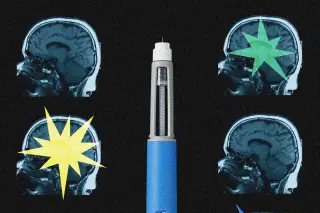
A small study of 13 teens and young women on GLP-1 drugs (including Ozempic) found unexpected brain changes, suggesting these medications may reshape neural circuits related to appetite, emotion and motivation; while findings hint at possible implications for addiction, cognition and aging-related diseases, researchers caution that the brain effects are preliminary and require further study.
At a Senate hearing, NIH Director Jay Bhattacharya testified that vaccines do not cause autism, saying he has not seen any study proving a single vaccine triggers autism — a stance that contrasts with HHS Secretary RFK Jr.'s anti-vax positions and his overhaul of autism-research panels. Bhattacharya also emphasized that vaccines remain the best tool to address measles outbreaks.
Democrats celebrated a roughly $20 billion increase for the NIH in the law signed by President Trump, but NIH Director Jay Bhattacharya and Health Secretary Robert F. Kennedy Jr. plan to redirect a large portion of discretionary funds toward autism research and away from some health-disparity and transgender programs, while shifting more money to red-state institutions by decoupling research and facilities funding and creating a “market for science.” Supporters say the moves aim to improve national health outcomes and address rural needs, but critics warn they could undercut coastal research power and merit-based funding depending on Congress and policy details.
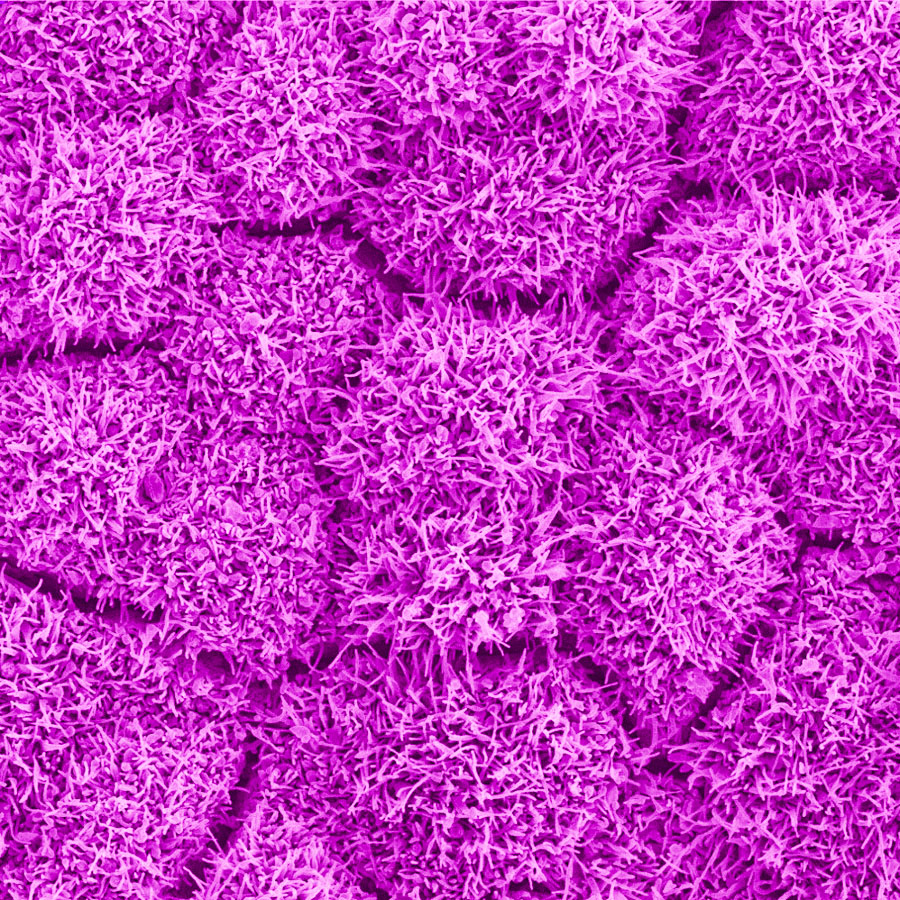
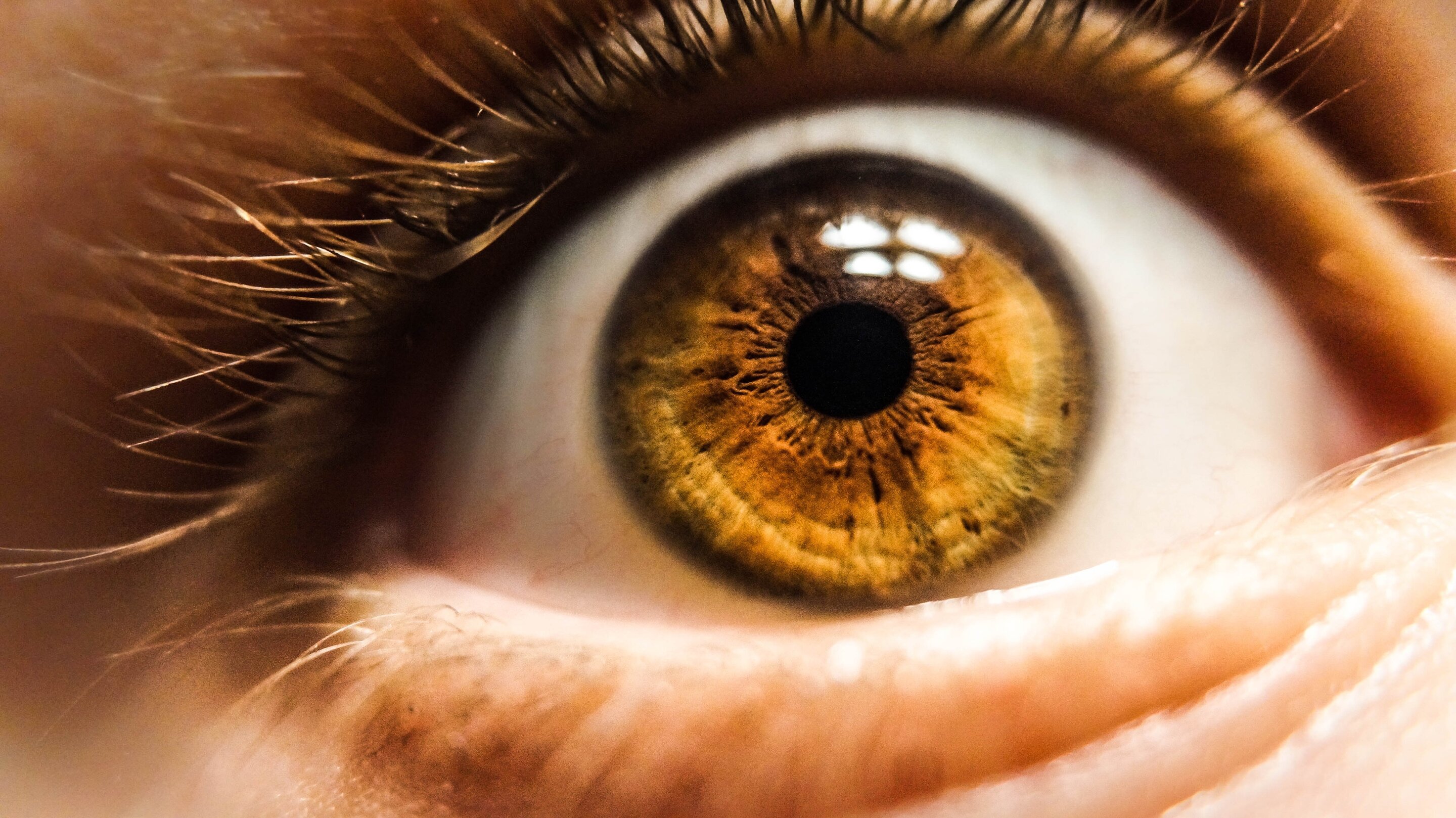
Researchers at the National Institutes of Health have utilized artificial intelligence (AI) to significantly improve the speed and quality of retinal cell imaging, making it 100 times faster and enhancing image contrast 3.5-fold. By integrating AI with adaptive optics optical coherence tomography (AO-OCT), they have developed a deep learning algorithm called P-GAN, which successfully de-speckles images of the retinal pigment epithelium (RPE) cells, reducing imaging acquisition and processing time by about 100-fold. This advancement provides a better tool for evaluating age-related macular degeneration (AMD) and other retinal diseases, potentially revolutionizing clinical imaging and research in the field.
Researchers at the National Institutes of Health have utilized artificial intelligence (AI) to significantly improve the speed and quality of retinal imaging, making it 100 times faster and enhancing image contrast 3.5-fold. By integrating AI with adaptive optics optical coherence tomography (OCT), the new method, called parallel discriminator generative adverbial network (P-GAN), successfully de-speckles retinal pigment epithelium (RPE) images, providing a better tool for evaluating age-related macular degeneration and other retinal diseases. This advancement is expected to make AO imaging more accessible for routine clinical applications and studies aimed at understanding blinding retinal diseases.
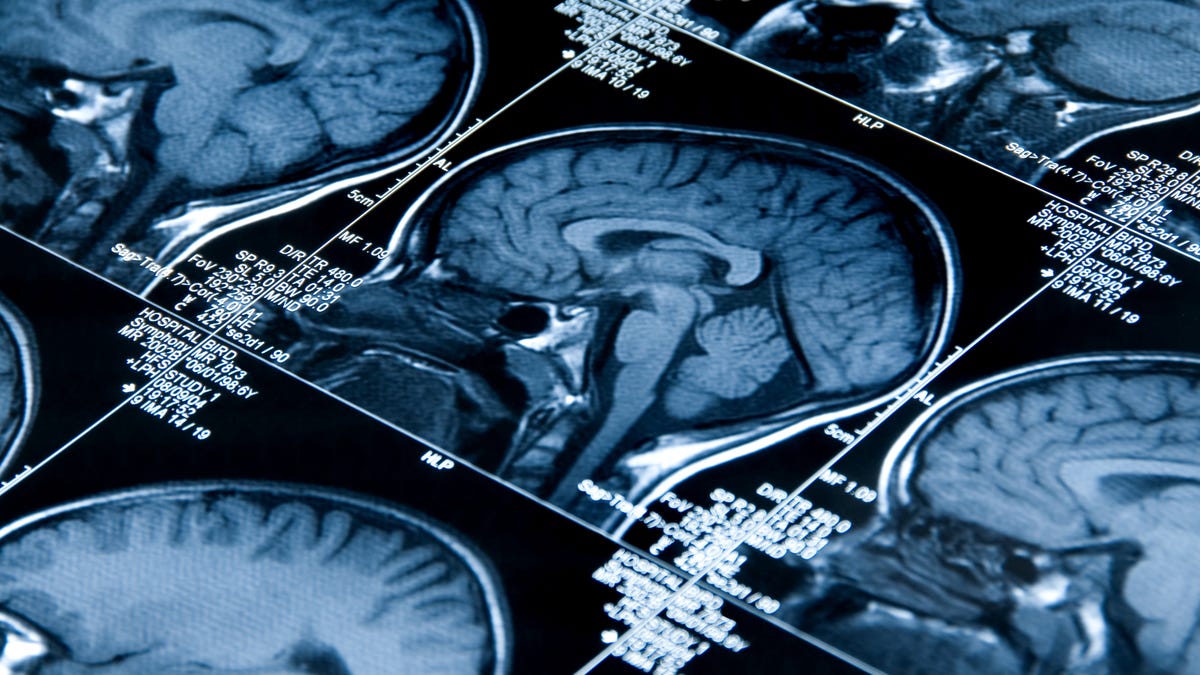
New studies by the National Institutes of Health found no evidence of brain injury in scans or blood markers of diplomats and spies who suffered symptoms of Havana syndrome, aligning with U.S. intelligence agencies' conclusions that the symptoms are likely due to environmental factors, existing medical conditions, or stress rather than a hostile foreign power's actions. However, these findings contradict previous research from the University of Pennsylvania, and Dr. David Relman, a scientist with access to classified files, criticized the new studies, suggesting that brain injuries may be difficult to detect and not ruling out the possibility of an external force causing the injuries.
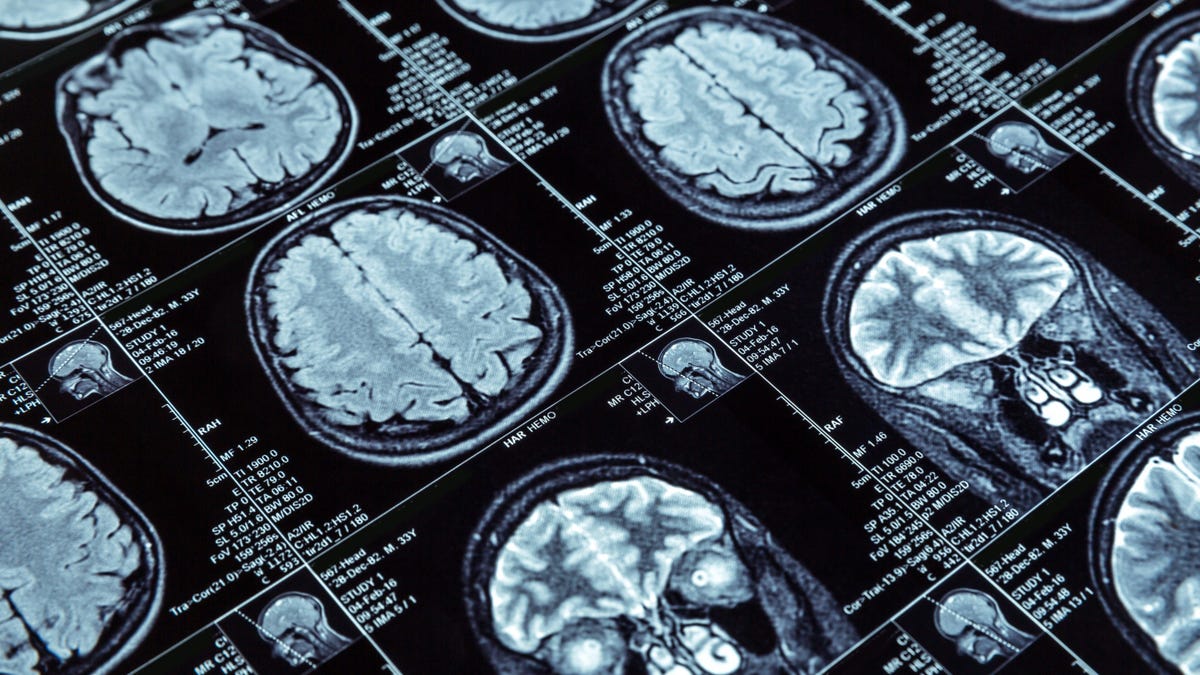
A national study by the National Institutes of Health has found that children with ADHD have more wiring in their brains, making it harder for their brains to send clear signals about tasks like following instructions or sitting still. The study used over 10,000 brain scans from six different datasets and found that children with ADHD have hyperconnected wiring in specific brain regions, making it harder for them to control impulsive behaviors and attention. The findings provide insight into the brain circuitry of children with ADHD and may help in understanding and potentially treating the disorder.
A study funded by the National Institutes of Health found that frequent cannabis smoking, particularly through daily use, is associated with a 25% increased likelihood of heart attack and a 42% increased likelihood of stroke compared to non-use. Even less frequent use showed increased risks. The study, using data from nearly 435,000 American adults, suggests that cannabis use, especially smoking, may be an underappreciated risk factor for cardiovascular disease, potentially due to the release of toxins similar to those found in tobacco smoke and the widespread presence of endocannabinoid receptors in the body's cardiovascular tissues. The study highlights the importance of considering cannabis use in routine medical exams to better understand its long-term effects on the body.
A major new study led by the National Institutes of Health has uncovered potential key differences in the brains and immune systems of people with myalgic encephalomyelitis/chronic fatigue syndrome (ME/CFS) compared to healthy controls. The findings could lead to future treatments for the debilitating condition, which is characterized by long-term fatigue, post-exertional malaise, and sleep problems. The study, published in Nature Communications, suggests that ME/CFS may have a physiological basis, providing important clues to the condition's underlying causes and potential treatment targets.
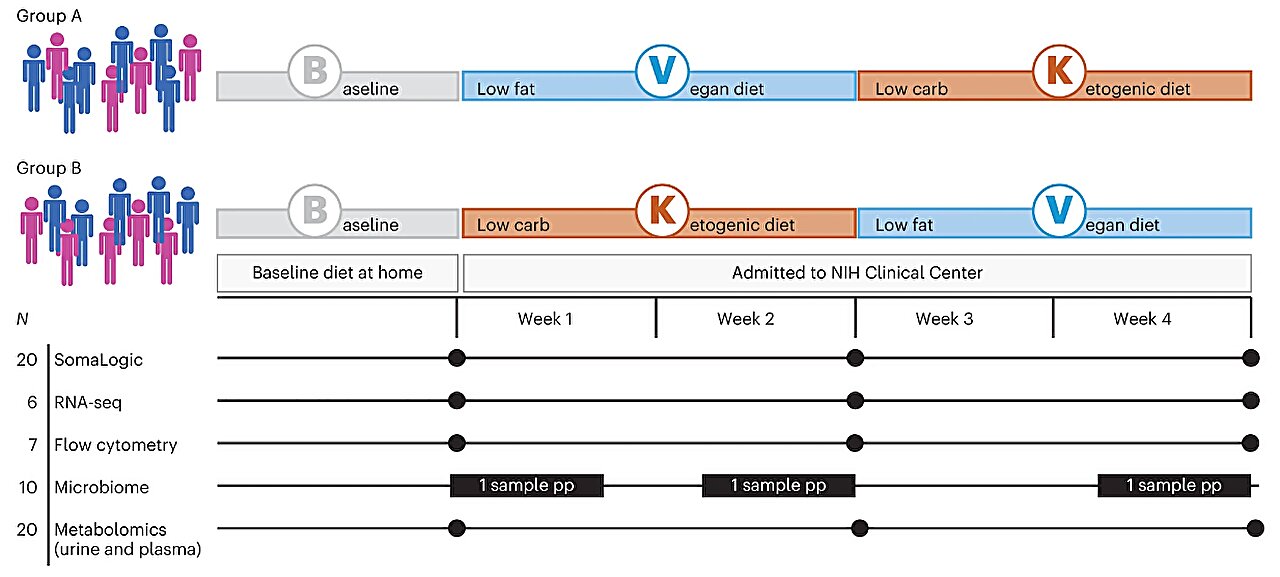
A study by the National Institutes of Health found that switching to a vegan or ketogenic diet rapidly and distinctly impacts the immune system. The vegan diet prompted responses linked to innate immunity, while the keto diet prompted responses associated with adaptive immunity. Metabolic changes and shifts in the participants' microbiomes were also observed. More research is needed to determine the implications of these changes on nutritional interventions for diseases such as cancer or inflammatory conditions.
Researchers at the National Institutes of Health found that unmedicated children with anxiety disorders showed overactivation in various brain regions, including the frontal and parietal lobes and the amygdala, which improved after receiving cognitive behavioral therapy (CBT). The study, published in the American Journal of Psychiatry, revealed that CBT led to significant decreases in anxiety symptoms and improved brain functioning in children with anxiety. However, some brain regions, particularly limbic areas, continued to show higher activity even after treatment, suggesting the need for further research to enhance treatment outcomes for children with anxiety.