
Congo’s Ebola Crisis Reaches Eighth Province as Bundibugyo Strain Outpaces Response
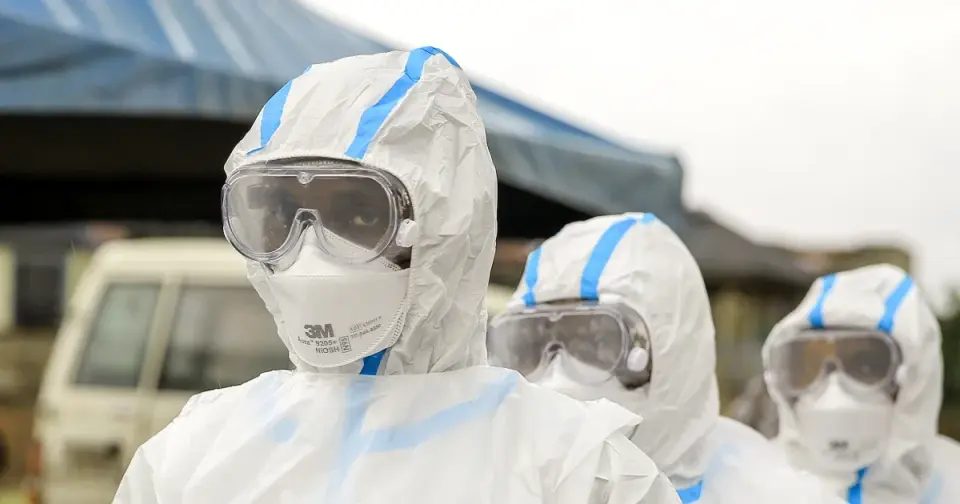
The Democratic Republic of Congo’s Ebola outbreak has expanded to its eighth province, Nord-Ubangi, with at least 9,400 confirmed cases and over 4,500 deaths. The crisis, driven by the rare Bundibugyo strain for which no approved vaccine exists, is spreading faster than health systems can track. While Ituri remains the epicenter, new cases in neighboring countries and deep community mistrust are complicating containment efforts.
Key points
- Nord-Ubangi province recorded two new cases, including one death, both involving men in their 20s in the Wapinda health zone.
- The outbreak, declared in mid-May, has resulted in over 9,400 cases and 4,500 deaths, making it the deadliest in Congo’s history.
- Ituri province accounts for nearly 75% of all confirmed cases, while 66 health zones have been affected nationwide.
- Kenya reported an eighth case on Sunday, while Uganda declared itself Ebola-free in August; the Central African Republic has no confirmed cases.
- North Kivu province implemented a one-week ban on entry from Ituri, along with restrictions on vehicle occupancy and public gatherings.
Background
This outbreak began in mid-May 2026 and has progressed rapidly, surpassing previous major outbreaks in speed and scale. Earlier reports in September indicated the virus had reached a seventh province, South-Ubangi, with case counts exceeding 7,000. By October, the crisis had intensified, with daily new cases initially peaking before showing some decline, though geographic spread continued. The lack of an approved vaccine for the Bundibugyo strain and reduced foreign aid funding have been cited as major factors in the outbreak’s severity.
How outlets are covering it
NBC News and The Associated Press emphasize the geographic expansion to Nord-Ubangi and the strain’s rapid spread, noting that cases are often detected late due to community mistrust and poor infrastructure. CBC News highlights the disproportionate impact on children, noting that one in four deaths are among children, with a fatality rate of 60% for children compared to 40% for adults. The New York Times, through an opinion piece by Heather Kerr of the International Rescue Committee, stresses the role of reduced U.S. aid and deep-seated distrust in health systems, which has led to many deaths occurring at home rather than in treatment centers. All sources agree that the Bundibugyo strain’s lack of a vaccine and the ongoing conflict in the region are critical challenges.
Why it matters
The expansion to an eighth province and the high mortality rate underscore the fragility of health systems in conflict-affected regions. The outbreak’s speed and the lack of a vaccine highlight the need for improved surveillance, community trust, and international support. The spillover into neighboring countries, such as Kenya, raises concerns about a broader regional crisis.
What to watch
Authorities in North Kivu will enforce a one-week ban on entry from Ituri starting Monday, along with restrictions on vehicle occupancy and public gatherings. Health workers are increasing home visits to encourage reporting of cases, while international partners are working to disburse pledged funds to support frontline efforts. Clinical trials for a Bundibugyo vaccine are underway, but no approved treatment is currently available.
- Congo’s fast-moving Ebola outbreak spreads to eighth province NBC News
- Congo confirms Ebola outbreak has spread to eighth province Reuters
- 1 in 4 Ebola deaths are children in Democratic Republic of Congo's worst outbreak CBC
- Ebola Outbreak, DRC and Region, Situation Report #14 (October 13, 2026) ReliefWeb
- Opinion | I’ve Worked in Congo for Decades. I’ve Never Seen an Ebola Crisis Like This. The New York Times
Want the full story? Read the original reporting
Read on NBC News