
Carney's Trade Stand Sparks Retaliation and Consumer Price Fears
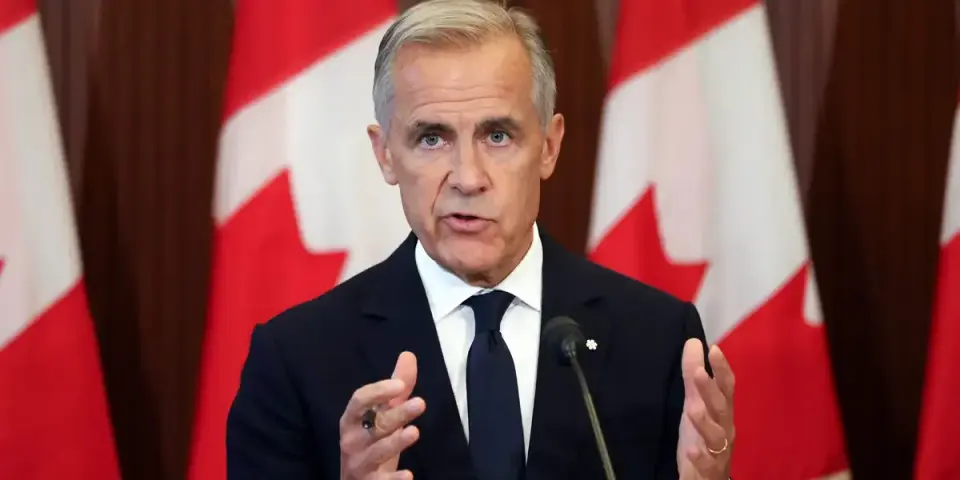
Canadian Prime Minister Mark Carney has walked away from US trade talks, triggering a full-scale tariff war. Washington imposed new levies on Canadian goods, while Ottawa retaliated with tariffs on nearly 900 US products, including paper, dairy, and alcohol. The dispute highlights the risks of asymmetric economic dependence, with experts debating whether Carney's firm stance strengthens Canada's negotiating position or risks long-term harm. Consumer costs are expected to rise, particularly for paper products, as supply chains face disruption.
Key points
- Carney rejected US trade terms, citing unfair conditions, leading to immediate retaliatory tariffs from both sides.
- Canada imposed 25-50% tariffs on US goods, including toilet paper, dairy, and fish, starting September 8.
- The US imposed 50% tariffs on Canadian cars, trucks, steel, and dairy, with threats to double auto tariffs by January 2027.
- Business leaders and analysts compare Carney's approach to corporate negotiations, emphasizing the need for strategic discipline and clear non-negotiables.
- Consumer prices for paper products are expected to rise due to Canada's role as a major supplier of raw materials to US manufacturers.
Background
The current escalation follows months of tense negotiations, including Carney's description of talks as 'nasty' in August 2026 and earlier threats of tariff clashes in July. Leaked audio from August 2026 showed US Vice President JD Vance mocking Carney's stance, while Canadian provincial leaders like Manitoba's Wab Kinew criticized Trump as 'erratic.' These events set the stage for the current breakdown in talks and the subsequent implementation of retaliatory measures.
How outlets are covering it
Business Insider frames the dispute as a leadership case study, highlighting Carney's strategic discipline and the importance of maintaining composure under pressure. The Guardian focuses on the tangible consumer impact, detailing how tariffs on paper products and alcohol will raise costs for Americans and Canadians. AP News, while largely obscured by technical code in the provided source, suggests a focus on infrastructure stability, implying that while blackouts are unlikely, the trade war poses broader economic risks. Outlets differ in emphasis: Business Insider analyzes the negotiation tactics, The Guardian details the economic fallout, and AP News hints at systemic stability concerns.
Why it matters
The trade war between the world's two largest economies threatens to disrupt supply chains and increase consumer prices across North America. It also serves as a real-world example of how smaller economies can leverage strategic discipline and alliances to counter more powerful partners, offering lessons for corporate leaders facing similar imbalances in power.
What to watch
The next critical deadline is January 1, 2027, when the US may double tariffs on Canadian cars if no deal is reached. Consumers should expect rising prices for paper products, dairy, and alcohol in the coming months. Further escalation or de-escalation will depend on whether Canada and the US can find a compromise or if the dispute continues to deepen.
- What leaders can learn from Mark Carney's approach to trade negotiations with Trump Business Insider
- Wiped out: US faces surging toilet paper prices amid trade war with Canada The Guardian
- FACT FOCUS: Could Canada leave US cities in the dark as part of the trade war? Not likely AP News
- How U.S.-Canada Tariff Negotiations Turned Into an All-Out Trade War The New York Times
- Trump: 'Time to teach Canada you can't do this anymore' Reuters
Want the full story? Read the original reporting
Read on Business Insider