
US Weighs Post-Election Iran Strike as Diplomacy Stalls
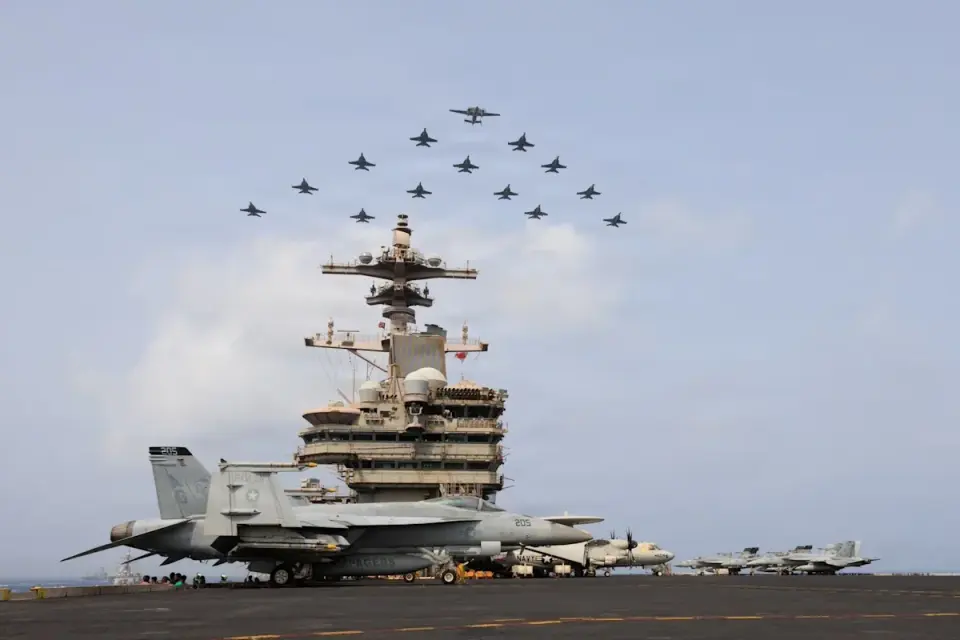
President Trump faces a critical decision on whether to negotiate with Iran or resume major military strikes, a choice likely deferred until after the November 3 midterms. US forces are positioned for a large-scale operation within 96 hours of an order, while diplomatic efforts via Qatar continue amid rising threats to US personnel and shipping.
Key points
- Trump stated it is 'decision time' to either 'finish it off' or make a deal, suggesting major action may follow the US midterms.
- US officials confirm forces are ready for a significant operation beyond minor strikes, targeting energy and nuclear sites, though Trump has not yet given the order.
- The US is reducing diplomatic and military staffing in the Middle East due to advanced-stage Iranian threats against American personnel.
- CENTCOM Commander Brad Cooper visited the Strait of Hormuz to oversee the naval blockade and ensure freedom of navigation.
- Qatari mediators visited Tehran on October 25 to attempt de-escalation, while Iran claims the US is in a 'quagmire'.
Background
This tension follows a period of halted full combat operations earlier in 2026, where the US focused on limited strikes to maintain the status quo. Recent domestic debates in the US, such as the New Jersey Senate race, have highlighted partisan divides on whether to escalate or end the conflict. Trump previously claimed diplomatic successes in the region while seeking the Nobel Peace Prize, though critics noted ongoing military engagements.
How outlets are covering it
Bloomberg and CNN emphasize the military readiness for a major post-election strike, with CNN noting that US officials believe Trump is leaning toward action but may back off at the last minute. The New York Times highlights the heightened risk of a wider war, noting that both sides are seeking pretexts for action. Al Jazeera focuses on the ongoing diplomatic efforts, including Qatari mediation, and Iran’s assertion that the US is stuck in a 'quagmire.' While Bloomberg notes broad staffing reductions, CNN specifies that only the Riyadh embassy is under an ordered departure, with others facing caps. All sources agree that the period between the US midterms and the new Congress is considered particularly dangerous.
Why it matters
A decision to resume major strikes could trigger immediate retaliation from Iran and the Houthis, potentially destabilizing the region and disrupting global oil supplies through the Strait of Hormuz. Conversely, a diplomatic breakthrough could de-escalate tensions, but the current trajectory suggests a high risk of renewed conflict in the coming months.
What to watch
Watch for any shift in US military posture or diplomatic announcements in the days following the November 3 midterms. Monitor the Strait of Hormuz for any changes in shipping traffic or naval activity, and track the outcome of Qatari mediation efforts in Tehran.
- Trump Says Decision Time Nears on Iran: Deal or ‘Finish It Off’ Yahoo Finance
- US has plans for major Iran strikes if Trump chooses CNN
- A New Level of Threat and Fear Risks Pushing the U.S. and Iran Back to Full War The New York Times
- Iran war updates: Trump says no strike today; Qatari mediators visit Tehran Al Jazeera
- Politics, not strategy, could mean more Israeli strikes on Iran The Economist
Want the full story? Read the original reporting
Read on Yahoo Finance