
Glendora Mayor Condemns Parole Release of Max Factor Heir Andrew Luster
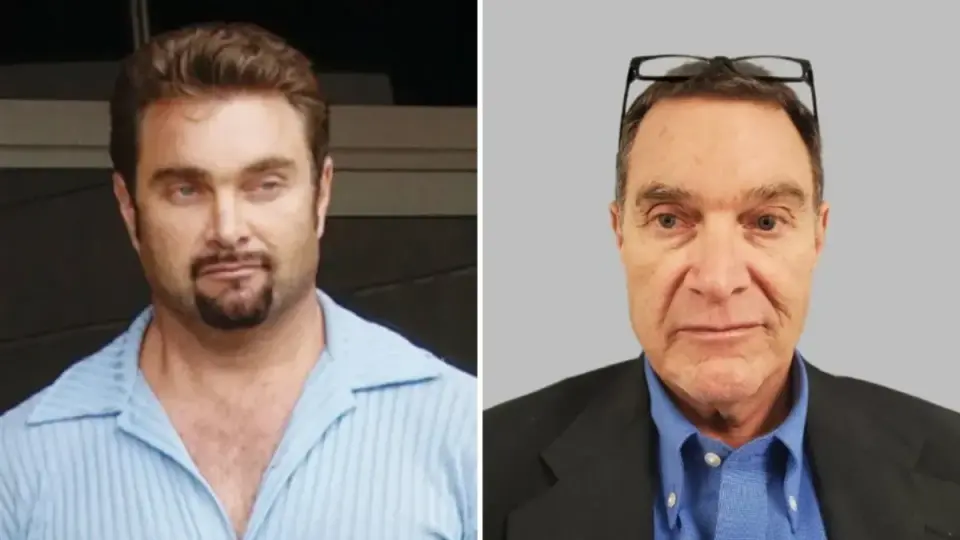
Andrew Luster, the 62-year-old great-grandson of cosmetics magnate Max Factor, was released to parole supervision on October 11, 2026, after serving approximately 20 years in prison. Luster was convicted in 2003 on 86 felony counts for drugging and raping three women in college bars between 1996 and 2000. Although the California Department of Corrections and Rehabilitation (CDCR) stated the release was not early, citing 977 days of earned credits, local officials in Glendora, where Luster reportedly resides, expressed outrage. The release follows a 2013 sentence reduction from 124 to 50 years and highlights ongoing debates regarding Proposition 57 and the classification of sexual offenses against unconscious victims as nonviolent felonies.
Key points
- Luster was released on Oct. 11, 2026, after serving about 20 years, despite an original 124-year sentence reduced to 50 years in 2013.
- The CDCR stated the release was not early, citing 977 days of pre-sentence credit and good conduct credits earned while incarcerated.
- Glendora Mayor David Fredendall called the release 'outrageous' and demanded transparency from state lawmakers regarding the conditions of Luster's supervision.
- Luster is reportedly living in the 500 block of East Plymouth Street in Glendora, according to Megan's Law website data cited by local media.
- Former Sacramento County DA Ann Marie Schubert noted that California law still classifies Luster's offenses as nonviolent, despite a 2024 legislative attempt to change this classification.
Background
Luster's case gained national attention in 2003 after he fled to Mexico following a $1 million bail payment, only to be captured by bounty hunter Duane 'Dog' Chapman. In 2013, a Ventura County judge vacated his 124-year sentence, reducing it to 50 years, citing procedural errors in the original sentencing. The 2016 passage of Proposition 57, which altered sentencing credits and parole eligibility for nonviolent offenses, is central to the current controversy. Recent archive entries note similar public backlash over the early release of other high-profile offenders, such as Amber Guyger in Texas, highlighting a broader national debate on parole policies for violent crimes.
How outlets are covering it
NBC Los Angeles and NBC News emphasize the emotional response of Glendora Mayor David Fredendall, who argues that technical legal explanations do not address the severity of the crimes. The Los Angeles Times provides a detailed legal context, noting that Luster's crimes are technically classified as nonviolent under California law, which allows for sentence reductions. SGV CityWatch highlights the specific location of Luster's residence and criticizes the 2016 Proposition 57 campaign promises that sex offenders would be ineligible for parole. While the CDCR maintains the release was lawful and not early, local officials and legal experts like Ann Marie Schubert argue that the system failed the victims by allowing a serial rapist to walk free after only 20 years of a 50-year sentence.
Why it matters
The release of Andrew Luster has reignited debate over California's parole system and the classification of sexual offenses against unconscious victims. It highlights the tension between legal technicalities regarding sentence credits and public safety concerns in communities where high-profile offenders are released. The incident has prompted local law enforcement to coordinate with state parole authorities to ensure strict supervision, while state lawmakers face pressure to address perceived gaps in the justice system that allow for the early release of individuals convicted of heinous crimes.
What to watch
Glendora police will work with state parole authorities to ensure Luster complies with all supervision conditions. Mayor Fredendall has demanded transparency from state lawmakers regarding the circumstances of the release and the measures being taken to protect residents. State Assemblywoman Blanca E. Rubio has called for a review of California's parole accountability. The CDCR has not indicated any changes to Luster's status, but the case may lead to further legislative scrutiny of Proposition 57 and the classification of rape of unconscious persons as nonviolent offenses.
- Glendora mayor says he's ‘outraged' after serial rapist and Max Factor heir released on parole NBC Los Angeles
- Glendora mayor says he’s ‘outraged’ after serial rapist and Max Factor heir released on parole NBC News
- Serial rapist and cosmetics heir is free. San Gabriel Valley community is outraged, mayor says Los Angeles Times
- Outrage grows now that convicted serial rapist, also heir to cosmetics fortune, walks free in SoCal community KTLA
- City Irate as Convicted Rapist Andrew Luster Now Resides in Glendora SGV CityWatch
Want the full story? Read the original reporting
Read on NBC Los Angeles