
Record Drone Assault on St. Petersburg Targets Energy and Tech Infrastructure
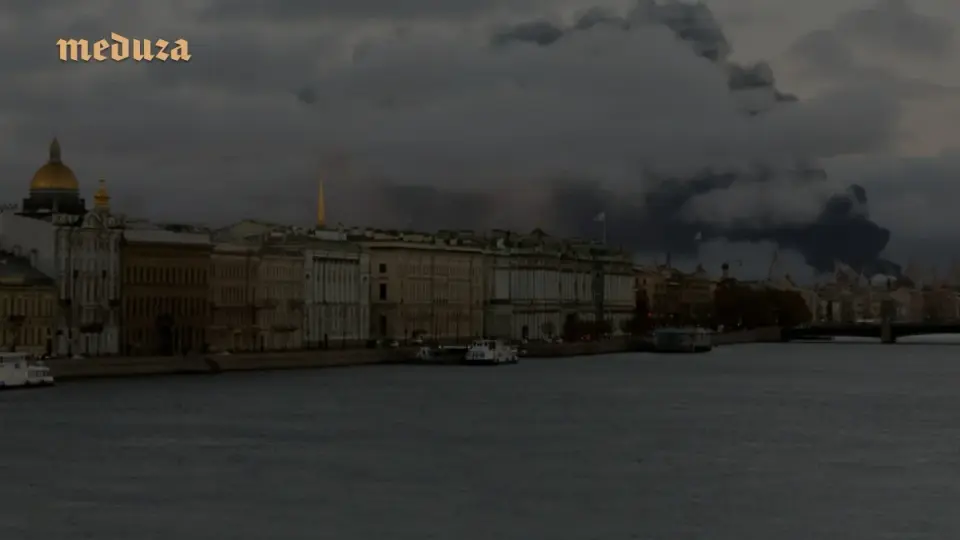
Ukraine launched its largest aerial attack on St. Petersburg and the Leningrad region on October 18, 2026, deploying over 1,000 drones. The strike killed one person and injured 15, damaging an oil terminal, the Ruchyi depot, an Ozon warehouse, a VK data center, and a bridge. Russian authorities claimed to have neutralized 1,015 drones, while the attack disrupted flights and left 20,000 people without power. This escalation occurred amid deepening tensions between Kyiv and Washington over a disputed 'energy ceasefire' and US sanctions waivers.
Key points
- The attack, described as the largest in the region since the war began, targeted critical infrastructure including the St. Petersburg oil terminal, Ruchyi oil depot, and a VK data center.
- One person was killed and 15 injured in St. Petersburg and the Leningrad region, with residential buildings and dozens of cars also damaged.
- Russian officials reported that 145 drones were shot down in Leningrad and 1,015 were neutralized across 15 regions, Crimea, and the Black Sea.
- The strike disrupted operations at St. Petersburg’s main airport and left approximately 20,000 people without electricity.
- The assault coincided with US President Donald Trump’s decision to pause new sanctions on Russia, which he argued would preserve negotiations, while Ukrainian President Volodymyr Zelensky accused Washington of undermining Ukraine’s defense.
Background
This incident follows a pattern of Ukrainian strikes on Russian energy infrastructure, including a September 2026 attack on the Saratov Refinery that injured ten people. It also occurs as Russia rapidly expands its drone capabilities, having completed a high-speed drone base near Millerovo in six weeks to deploy faster Geran-4 and Geran-5 drones. The current escalation directly contradicts an 'energy ceasefire' announced by Trump on October 11, which Zelensky declared over after Russia continued attacking Ukrainian energy sites.
How outlets are covering it
Meduza and Al Jazeera agree on the scale of the attack and the specific targets, including the oil terminal and VK data center, but differ slightly on casualty figures; Meduza reports 15 injured, while Al Jazeera cites five injured in St. Petersburg specifically, though noting broader regional impacts. AP News emphasizes the sheer volume of drones (over 1,000) and the fires at oil sites. All sources highlight the political fallout, with Al Jazeera detailing Trump’s criticism of Zelensky and the US pause on sanctions, while Meduza focuses on the physical aftermath and infrastructure damage. The sources collectively portray a significant escalation in the conflict, driven by diverging diplomatic stances between Kyiv and Washington.
Why it matters
The strike represents a major escalation in the war, targeting critical civilian and economic infrastructure in a major Russian city. It highlights the failure of the proposed 'energy ceasefire' and the deepening rift between the US and Ukraine over sanctions and military support. The damage to energy and tech hubs could have long-term economic and logistical impacts for Russia, while the political tension threatens to derail diplomatic efforts to end the war.
What to watch
Expect continued retaliatory strikes from Russia, as Zelensky noted recent attacks on Ukrainian energy and residential areas. The US may face pressure to resume or adjust sanctions, given the breakdown of the 'energy ceasefire.' Ukraine may continue targeting Russian energy and logistics infrastructure, while Russia could accelerate its drone production and deployment to counter Ukrainian capabilities. Diplomatic talks may stall as trust between Kyiv and Washington erodes.
- In pictures: Biggest Ukrainian drone attack yet on St. Petersburg and Leningrad region kills 1, injures 15, and sparks many fires Meduza
- Ukraine and Russia exchange strikes, as relations between Trump and Zelenskyy sour NPR
- Ukraine launches more than 1,000 drones at Russia as spat between Trump and Zelenskyy continues AP News
- Ukraine launches over 1,000 drones at Russia, setting oil facilities ablaze Al Jazeera
- Trump responds after Ukraine launches drone attack on Russia Yahoo
Want the full story? Read the original reporting
Read on Meduza