
Supreme Court rejects bid to revive administrative closure for deportation cases
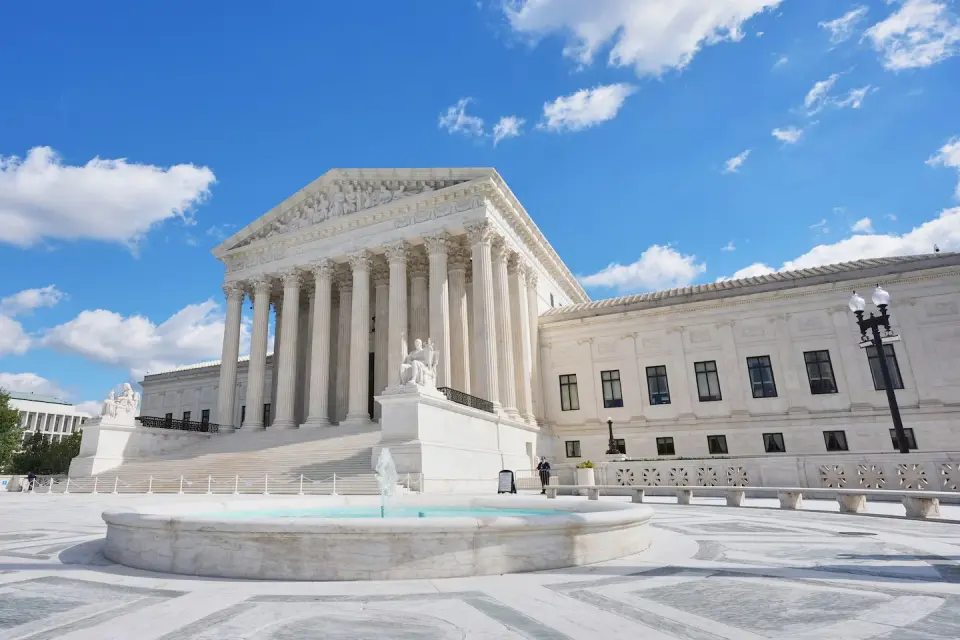
The U.S. Supreme Court declined to intervene in a legal dispute over a Biden-era rule that permitted immigration judges to pause deportation proceedings. The high court rejected an emergency appeal from Democratic-led cities and legal groups seeking to revive the practice, known as administrative closure. Texas and the Trump administration had previously agreed to a court order blocking the regulation after the state sued, alleging the policy allowed individuals to remain in the country indefinitely. The Justice Department argued the challengers lacked legal standing and did not demonstrate immediate harm, a view the Supreme Court effectively endorsed by refusing to hear the case.
Key points
- The Supreme Court issued an unsigned opinion denying an emergency appeal to revive a Biden-era immigration regulation.
- The regulation allowed immigration judges to administratively close deportation cases, a practice Texas claimed was expanded to allow indefinite stays.
- Texas and the Trump administration agreed to a court order blocking the rule after the state initiated a lawsuit.
- Cities of Baltimore, Columbus, and New Haven, along with Centro Legal de la Raza, attempted to intervene to defend the rule.
- The Justice Department argued the challengers lacked legal standing and failed to show immediate legal harm.
- The Supreme Court refused to allow the cities to intervene in the lower court proceedings.
Background
This decision follows a series of recent Supreme Court interventions in immigration matters, including temporary pauses on legal blocks regarding third-country deportations. In late September 2026, the Court allowed the Trump administration to resume deporting migrants to nations where they are not citizens, despite lower court rulings requiring due process protections. Those cases involved the relocation of tens of thousands of people to countries like South Sudan and Rwanda. The current dispute over administrative closure represents another front in the administration's efforts to limit judicial discretion in deportation proceedings, contrasting with the broader trend of the Court enabling executive action in immigration enforcement.
How outlets are covering it
The Washington Post frames the Supreme Court's decision as clearing the way for the White House to restrict a Biden-era policy, emphasizing the outcome as a victory for the administration's immigration agenda. AP News highlights the procedural aspect, noting that the Court declined to intervene in a dispute where Democratic-led cities and legal groups sought to defend the regulation. AP details the argument that Texas and the administration bypassed public rulemaking by agreeing to a court order, while the Justice Department countered that the challengers lacked standing. The outlets differ in emphasis: The Post focuses on the policy impact, while AP focuses on the legal standing and procedural maneuvering between the state, the administration, and the challengers.
Why it matters
The ruling solidifies the Trump administration's ability to block administrative closure, a mechanism previously used to pause deportation cases for individuals who might qualify for other forms of relief or who were victims of crime. By refusing to intervene, the Supreme Court allows the Texas-led challenge to stand, potentially limiting the discretion of immigration judges to pause proceedings. This move aligns with the administration's broader strategy to reduce judicial oversight in immigration cases, as seen in recent decisions regarding third-country deportations. It may result in fewer opportunities for individuals to remain in the U.S. while pursuing other legal avenues, impacting thousands of cases pending in immigration courts.
What to watch
The immediate effect is that the Biden-era regulation allowing administrative closure remains blocked. Immigration judges will likely continue to face restrictions on closing deportation cases without explicit authorization. Legal groups may explore alternative legal avenues or legislative efforts to reinstate similar protections, though the Supreme Court's refusal to intervene suggests a high bar for future challenges. The administration may continue to pursue policies that limit judicial discretion in immigration proceedings, potentially leading to further litigation over due process and the scope of executive power in deportation cases.
- Trump administration can block immigration judges from closing deportation cases The Washington Post
- Supreme Court won’t intervene to allow judges to pause some deportation proceedings AP News
- Supreme Court Allows Texas’ Deal With Justice Dept. on Deportation Proceedings The New York Times
- Supreme Court Allows DOJ Deportation Deal Decried as Collusion Bloomberg.com
- US Supreme Court denies immigration judges the power to shelve deportation cases Reuters
Want the full story? Read the original reporting
Read on The Washington Post