
Record Coastal Flooding Grips U.S. Southeast and Southwest as Typhoons Threaten Asia
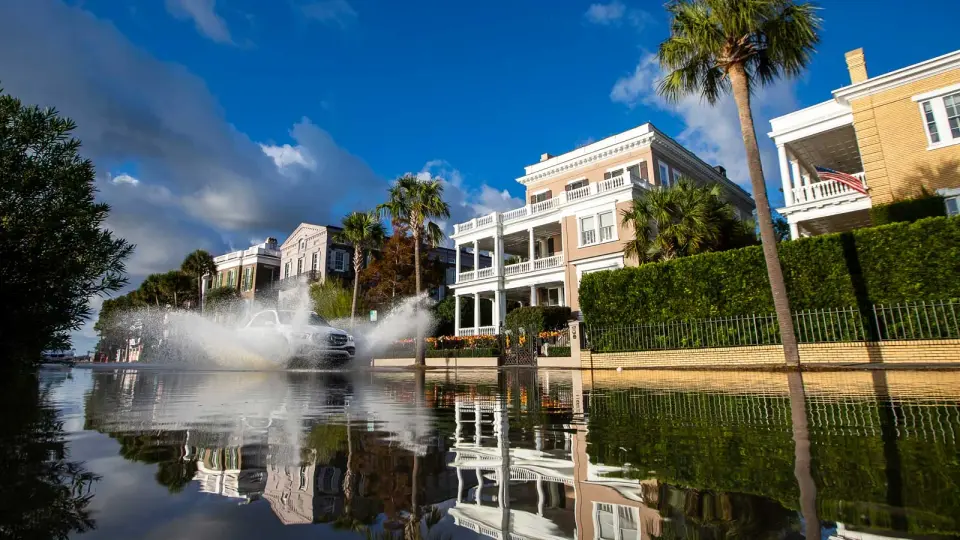
Unprecedented coastal flooding is affecting the U.S. Southeast, with Miami experiencing its longest-ever streak of moderate flooding. Simultaneously, record river levels are devastating the Four Corners region, while Typhoon In-fa and Cyclone Arnab threaten the Northern Mariana Islands and India, respectively.
Key points
- Miami has endured six consecutive days of moderate coastal flooding, a record since 1994, driven by strong winds and king tides; water levels may remain elevated until Friday.
- The San Juan River in the Four Corners region has breached historical records, with Farmington, New Mexico, reaching 15 feet, far exceeding the 1909 record of 12.3 feet.
- Cyclone Arnab has intensified to a Category 4 equivalent storm in the Bay of Bengal, expected to make landfall in Andhra Pradesh, India, on October 28.
- Typhoon In-fa has strengthened to a Category 4 storm in the western Pacific, threatening the Northern Mariana Islands with potentially Category 5 winds by October 30-31.
- Southern California’s Los Angeles and San Diego recorded their highest coastal water levels in over a century on October 26, with eight of the top ten historical readings occurring in 2026.
Background
This event follows a pattern of extreme weather in 2026, including Tropical Storm Rachel’s impact on Southern California in October and a powerful nor’easter in September. The current flooding is exacerbated by a record-strong El Niño, which has increased moisture in the Southwest, and accelerating sea level rise, with Miami’s sea level rising by 8 inches since 1994, 36% of which is attributed to human-caused global warming.
How outlets are covering it
Yale Climate Connections emphasizes the long-term impact of sea level rise and the unprecedented nature of Miami’s flooding streak, noting that repeated flooding causes more erosion than single events. WPBF and WPEC focus on immediate local impacts in Florida, such as road closures, sandbag distribution, and marine safety, highlighting the practical challenges for residents. The Palm Beach Post underscores the role of the full moon and strong winds in exacerbating coastal erosion and flooding in Palm Beach County. While all sources agree on the severity of the flooding, Yale Climate Connections provides a broader climate context, whereas local outlets focus on immediate community responses and safety measures.
Why it matters
The simultaneous occurrence of record flooding in the U.S. and powerful tropical storms in Asia highlights the increasing frequency and intensity of extreme weather events linked to climate change. The unprecedented nature of these events, such as Miami’s longest flooding streak and the Four Corners’ record river levels, underscores the urgent need for improved infrastructure and emergency preparedness. Additionally, the rapid intensification of Cyclone Arnab and Typhoon In-fa poses significant risks to populated coastal areas, emphasizing the importance of timely warnings and evacuation procedures.
What to watch
Miami is expected to experience peak flooding on October 27, with water levels potentially remaining above the moderate threshold until October 31. Cyclone Arnab is forecast to make landfall in Andhra Pradesh, India, on October 28, with sustained winds of 115-125 km/h. Typhoon In-fa is expected to approach the Northern Mariana Islands by October 30-31, potentially reaching Category 5 strength. Residents in affected areas are advised to monitor forecasts, avoid flooded roads, and prepare for potential power outages and flooding.
- Record flooding hits the U.S. as powerful tropical storms threaten Asia Yale Climate Connections
- High tides and storm surge cause widespread flooding in St. Augustine firstcoastnews.com
- Coastal flood warning and wind advisory issued as strong winds and king tides hit WPBF
- Video shows county's coastal flooding, big waves in October The Palm Beach Post
- King tides bring widespread flooding; more high water expected Tuesday WPEC
Want the full story? Read the original reporting
Read on Yale Climate Connections