
Clancy Trial: Jurors View Autopsy Photos as Mental Health Evidence Deepens
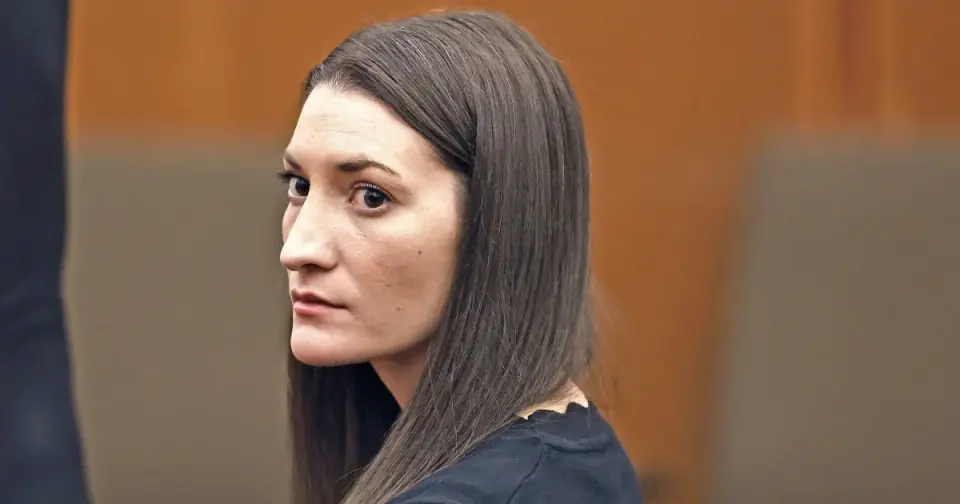
Lindsay Clancy sobbed in court as jurors viewed autopsy photos of her youngest child, Callan, during her murder trial in Massachusetts. Prosecutors argue she intentionally killed her three children in 2023, while defense attorneys claim she suffered from postpartum psychosis and bipolar disorder. Witnesses described her as a loving mother who struggled with sleep and medication side effects. Simultaneously, a Massachusetts court ordered a retrial for Latarsha Sanders, another mother who killed her children, citing suppressed psychiatric evidence.
Key points
- Clancy sobbed uncontrollably when jurors viewed autopsy photos of 8-month-old Callan, forcing an unscheduled court break.
- Prosecutors argue Clancy sent her husband away as a ruse to kill the children, while defense claims she was too mentally ill to be responsible.
- Witnesses, including friends and her former father-in-law, testified Clancy was a loving mother but struggled with insomnia and medication side effects.
- Clancy faces life in prison without parole if convicted, or commitment to a mental health facility if found not guilty by reason of insanity.
- A Massachusetts court ordered a retrial for Latarsha Sanders, who killed her two sons in 2018, after finding the judge improperly withheld psychiatric records from the jury.
Background
The trial began in July 2026 in Plymouth, Massachusetts, with an 18-person jury. Clancy, a former nurse, is wheelchair-bound after jumping from a window following the killings. The case has drawn national attention to postpartum mental health and criminal responsibility. Previous coverage noted the jury tour of the Duxbury home and the high rate of juror excusals due to the case's brutality.
How outlets are covering it
NBC News and WJAR emphasize Clancy's emotional breakdown and the testimony of friends and family who described her as a loving mother struggling with mental health. Boston.com provides a detailed account of the testimony, including the medical examiner's findings and the defense's motion to add expert witnesses. All sources agree on the core facts but differ in emphasis: NBC and WJAR focus on the emotional impact and witness testimony, while Boston.com highlights the legal and medical details, including the retrial of Latarsha Sanders. The sources do not disagree on the facts but present different aspects of the trial.
Why it matters
The trial highlights the complex intersection of mental health, criminal responsibility, and the legal system's handling of postpartum psychosis. The retrial of Latarsha Sanders underscores the importance of psychiatric evidence in such cases and the potential for judicial error in suppressing relevant medical records. The outcome of Clancy's trial could set precedents for how courts handle cases involving mental illness and criminal intent.
What to watch
Testimony is expected to continue in the Clancy trial, with additional witnesses and expert testimony. The defense has moved to add three doctors to testify about Clancy's injuries and mental state. The retrial of Latarsha Sanders is expected to proceed, with the defense hoping that the suppressed psychiatric records will be presented to a new jury. The Clancy trial is expected to last up to eight weeks, with a verdict potentially in the fall of 2026.
- Lindsay Clancy sobs at murder trial as jurors view autopsy photos of her youngest child NBC News
- In a case like Clancy’s, jurors may carry emotional toll long after the verdict The Boston Globe
- Lindsay Clancy breaks down during testimony about youngest child's autopsy WJAR
- Lindsay Clancy’s friends and former father-in-law testify in her murder trial Boston.com
- Former Clancy nanny testifies about mother's mental health issues before killings PBS
Want the full story? Read the original reporting
Read on NBC News