
Gloria Steinem's 1957 India Fellowship: The Crucible of Her Feminist Method
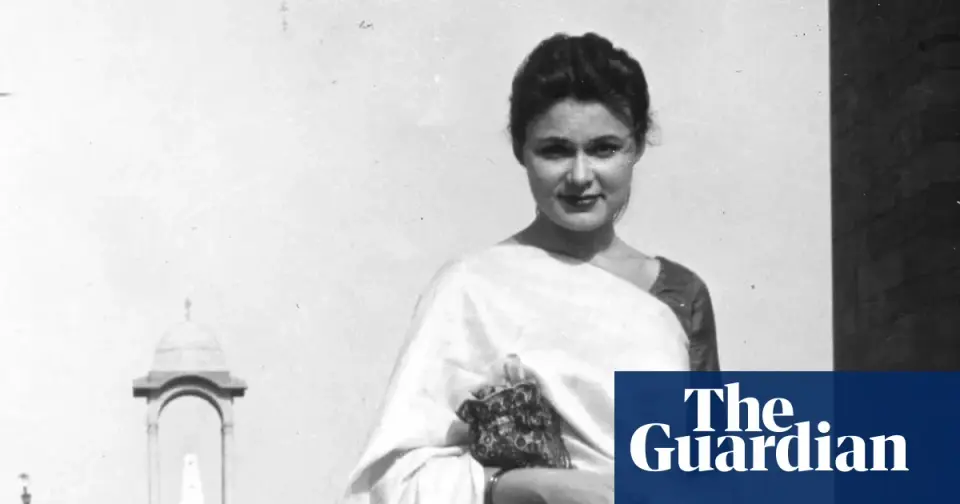
Gloria Steinem, who died at 92, credited her 1957-1958 stay in India with fundamentally shaping her feminist philosophy. The trip, taken to escape an unwanted engagement, exposed her to poverty, reproductive rights issues, and Gandhian nonviolent organizing. She learned that effective activism requires listening to communities rather than imposing solutions, a method she later applied to the US women's movement.
Key points
- Steinem arrived in India in 1957 on a Chester Bowles fellowship, fleeing an engagement to pilot Blair Chotzinoff.
- She discovered she was pregnant in London and underwent an illegal abortion, reinforcing her belief in reproductive autonomy.
- She lived at Miranda House in Delhi and adopted the sari, which she said changed her posture and pace.
- She met Indira Gandhi and Rajkumari Amrit Kaur, and participated in Radical Humanist debates in Mussoorie.
- She joined Vinoba Bhave's workers during caste violence in Madras, learning to listen to victims before offering advice.
- She described her later US activism as a 'western version of walking in villages' to build consensus.
Background
Steinem died in September 2026 at age 92. Prior coverage highlighted her role in co-founding Ms. magazine and the National Women's Political Caucus, as well as the tensions within the second-wave feminist movement regarding race and privilege. Her final essay, published in The New Yorker, emphasized global equality and the importance of remembering progress made by women and men alike.
How outlets are covering it
The Guardian focuses on the specific, transformative experiences of Steinem's 1957-1958 stay, detailing her interactions with Indian women, political figures, and the impact of caste violence on her organizing style. The New Yorker presents Steinem's own retrospective view, where she frames her feminism as a broader humanism and egalitarianism, noting that her time in India taught her to value racial diversity and nonviolence. The Washington Post highlights her earlier 1963 undercover work at the Playboy Club, illustrating her journalistic style of using personal experience to expose power dynamics, which contrasts with the observational, listening-based approach she developed in India.
Why it matters
Steinem's Indian experience provided the foundational methodology for her later activism: the principle that 'radical' means going to the root of issues through consensus and listening, rather than through violence or top-down directives. This approach influenced how she organized the US women's movement, emphasizing grassroots engagement and the sharing of personal experiences to reveal systemic issues.
What to watch
There are no immediate next steps related to Steinem's life, as she has passed away. Her legacy continues through the organizations she founded and the feminist movement she helped shape. The focus now is on preserving and analyzing her extensive archive, including her fellowship reports and personal writings, to understand the full impact of her early experiences on her later career.
- How Gloria Steinem’s lifechanging stay in India shaped her approach to feminism theguardian.com
- Opinion | Why a Doctor Told Gloria Steinem: ‘You Must Promise Me Two Things’ The New York Times
- Gloria Steinem’s Final Essay The New Yorker
- Later in life, Gloria Steinem found herself free of the 'demands of gender' npr.org
- Column | The one thing you must read to understand Gloria Steinem washingtonpost.com
Want the full story? Read the original reporting
Read on theguardian.com