
Kremlin Hails Trump’s Diesel Deal and Sanctions Waiver as Strategic Breakthrough
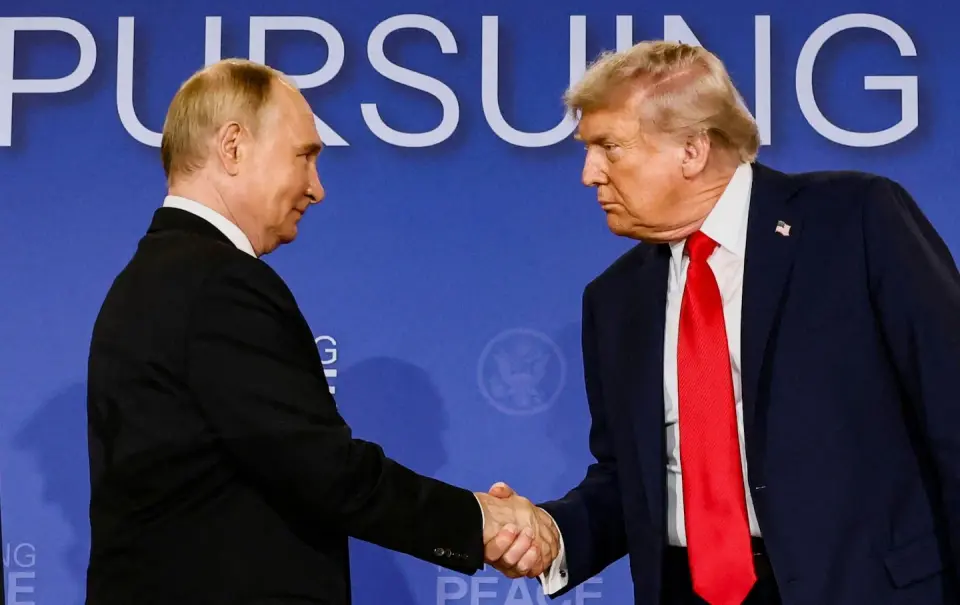
The Kremlin is celebrating the Trump administration’s recent pivot toward Moscow, viewing the U.S.-Russia diesel deal and sanctions waivers as a major victory that undermines Western support for Ukraine. While Washington aims to lower fuel costs, analysts argue the move signals a shift in U.S. policy that emboldens Russia to intensify its economic and military pressure on Kyiv.
Key points
- Trump’s October 9 diesel deal with Russia and subsequent sanctions waivers are being framed by Moscow as a sign of collapsing Western unity.
- Ukraine has responded with intensified strikes on Russian refineries and data centers, damaging Yandex and Sberbank infrastructure.
- European leaders face pressure to fill the U.S. support gap, but political fragmentation in France and Germany complicates this effort.
- Zelensky has criticized the U.S. shift, warning that alignment between Washington and Moscow could lead to Ukraine’s defeat.
- Russia’s economic resilience and increased drone production are countering Western hopes for a rapid collapse of its war economy.
Background
This development follows a series of tensions in U.S.-Ukraine relations, including disputes over missile deliveries and intelligence sharing. Earlier in October, bipartisan opposition emerged against the diesel deal, with senators arguing it violates previous sanctions laws. The current situation builds on a broader pattern of U.S. policy shifts that have raised concerns about the stability of the transatlantic alliance.
How outlets are covering it
The Washington Post emphasizes the Kremlin’s perception of victory, noting that Russian officials view the U.S. shift as a sign of crumbling Western support. The Spectator highlights the strategic implications for Putin, arguing that Trump’s actions are creating conditions for Russia to force a peace deal on Ukraine’s terms. The Jamestown Foundation offers a more nuanced view, pointing out that while the diesel deal has limited immediate impact, it exposes Moscow’s vulnerabilities and the resilience of Ukrainian counterattacks. The i Paper, while not directly covering the geopolitical story, reflects the broader context of political instability and public scrutiny in Western democracies, which may influence support for Ukraine.
Why it matters
The U.S. shift toward Russia could fundamentally alter the balance of power in the Ukraine war, potentially leading to a negotiated settlement that favors Moscow. It also raises questions about the future of U.S. foreign policy and the reliability of Western alliances in the face of domestic political pressures.
What to watch
Expect continued diplomatic friction between Washington and Kyiv, as well as increased European efforts to sustain support for Ukraine. The outcome of the U.S. midterm elections and European political shifts will be critical in determining the long-term trajectory of the conflict.
- Russia, sensing victory, cheers Trump’s latest shift against Ukraine The Washington Post
- I’ve seen Russian power up close – Trump’s surrender to Putin is abject humiliation The i Paper
- For Putin, Trump is the gift that keeps on giving The Spectator
- Russian Diesel Deal and Energy Ceasefire Expose Moscow’s Limits The Jamestown Foundation
- The Kremlin considers Trump's actions a step toward Russia's victory over Ukraine - WP Українські Національні Новини (УНН)
Want the full story? Read the original reporting
Read on The Washington Post