
White House renews bid to fire Fed Governor Lisa Cook after Supreme Court block
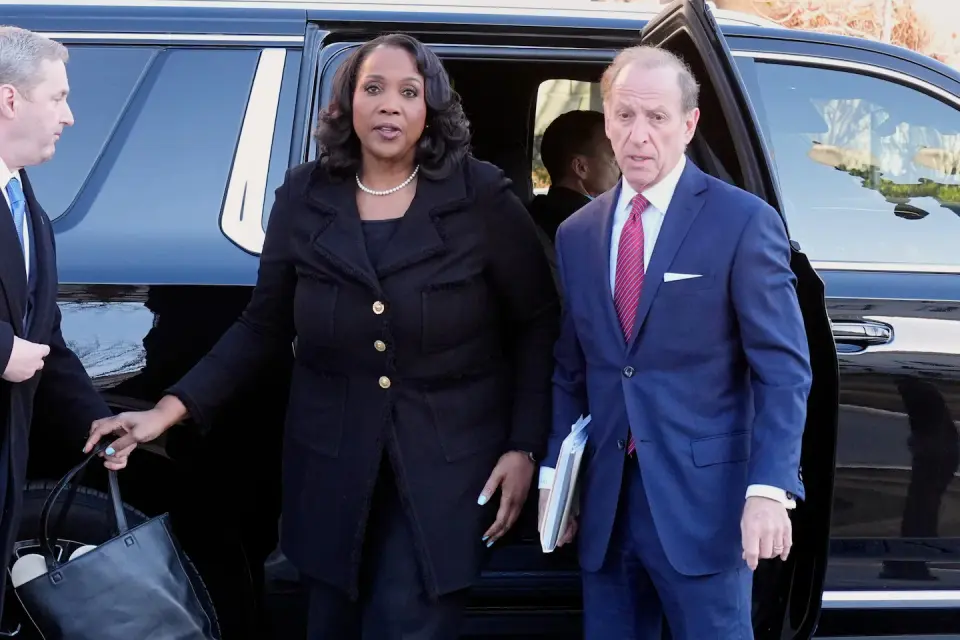
The White House has restarted its effort to remove Federal Reserve Governor Lisa Cook, sending her a letter dated August 5 that gives her 21 days to respond to unproven mortgage fraud allegations. This move follows a June Supreme Court ruling that blocked an earlier firing attempt, emphasizing the Fed's independence. Cook's attorneys have dismissed the claims as baseless, while the administration cites the court's requirement for a formal response process.
Key points
- The White House, via Deputy Chief of Staff Dan Scavino, sent a letter on August 5 stating the president is 'considering' Cook's removal.
- The letter demands Cook submit evidence or arguments by August 26, responding to allegations of mortgage fraud from 2021.
- The Supreme Court ruled in June that Cook was entitled to notice and a chance to respond before termination, blocking the initial firing attempt.
- Cook has not been charged with a crime, and her attorneys, Abbe Lowell and Norm Eisen, maintain the allegations are unfounded.
- The Supreme Court's June ruling was 5-4 and emphasized the Fed's status as an independent agency free from political influence.
Background
This development follows a series of political tensions between the Trump administration and the Federal Reserve. In June 2026, the Supreme Court blocked an initial attempt to fire Cook, ruling that she was entitled to due process. The administration had previously raised these allegations in 2025, prompting a Justice Department investigation that did not result in charges. The current move is seen as a renewed effort to assert control over the central bank, particularly amid disagreements over interest rate policies.
How outlets are covering it
The Washington Post and The New York Times both report that the White House is reviving its effort to remove Cook, highlighting the 21-day response window. CNN emphasizes that the allegations are unproven and that Cook has denied wrongdoing, noting that the Supreme Court's June ruling was narrow in scope. SCOTUSblog provides detailed legal context, citing the specific Supreme Court opinion that required notice and an opportunity to respond, while Cook's attorneys argue that the allegations are baseless and that there is no valid cause for removal. All sources agree that the administration is using the Supreme Court's procedural ruling to restart the removal process, but they differ in emphasis on the legal implications and the political motivations behind the move.
Why it matters
This case tests the limits of executive power over independent agencies. If Cook is removed, it could set a precedent for political interference in the Federal Reserve, potentially affecting monetary policy and interest rates. The outcome will also influence public confidence in the Fed's independence and its ability to make decisions without political pressure.
What to watch
Cook is expected to submit her response by August 26. The White House will then decide whether to proceed with her removal. Legal challenges are likely, given the Supreme Court's previous ruling. The outcome could have broader implications for the independence of other federal agencies and the relationship between the executive branch and the judiciary.
- Trump renews effort to fire Fed governor Lisa Cook after Supreme Court ruling The Washington Post
- Trump Restarts Battle to Fire Sitting Fed Governor Lisa Cook The New York Times
- White House renews its attempt to remove Fed Governor Lisa Cook CNN
- Trump renews push to fire Fed Governor Lisa Cook NPR
- Trump informs Lisa Cook that he is “considering” her removal SCOTUSblog
Want the full story? Read the original reporting
Read on The Washington Post