
Federal judge voids Trump-era wage cuts for H-2A farmworkers, orders backpay review
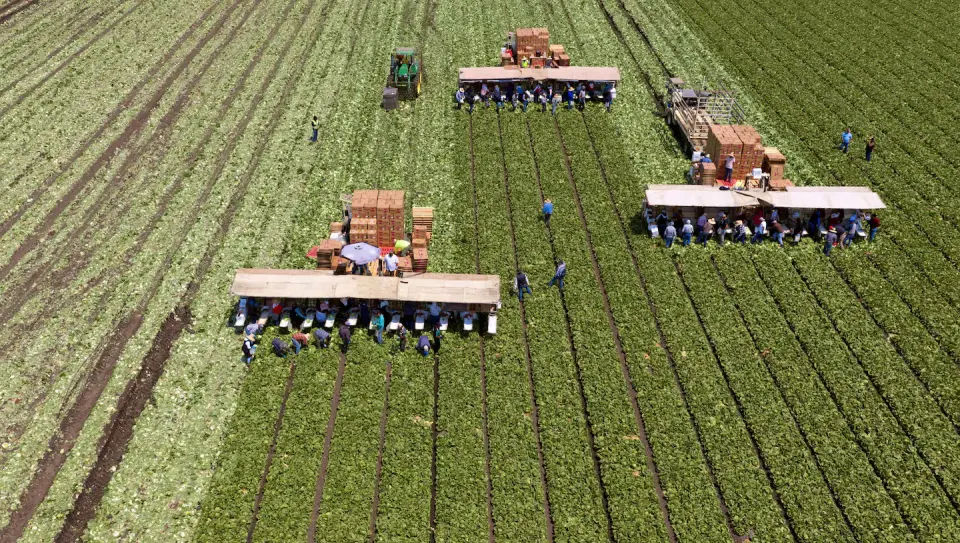
A federal judge in California ruled the Trump administration’s 2025 wage reduction for H-2A guest workers unlawful, finding the Labor Department bypassed required public comment and used an arbitrary formula that lowered pay by up to $7 an hour. While the judge allowed the rule to remain temporarily to avoid market disruption, he ordered the agency to create new rates and warned employers they may owe back wages. The decision reverses a policy that the administration claimed was necessary to offset labor shortages caused by stricter immigration enforcement, though critics argue it unfairly shifted costs to U.S. and foreign workers alike.
Key points
- Judge Kirk E. Sherriff declared the Labor Department’s interim final rule lowering H-2A wages 'unlawful' and 'arbitrary and capricious.'
- The rule, implemented in October 2025 without a public comment period, cut wages by approximately $5 to $7 per hour in various states.
- The administration justified the cuts as a measure to offset labor shortages caused by its own immigration enforcement policies.
- The judge ordered the Labor Department to promptly develop a new wage methodology and notify employers of potential backpay liabilities.
- The ruling was based on a lawsuit filed by the United Farm Workers union and 18 individual farmworkers from six states.
Background
This ruling follows a broader pattern of the Trump administration tightening immigration and labor regulations in 2026. Recent archive coverage notes that the administration has simultaneously restricted refundable tax credits for non-citizens, moved to 'debank' illegal immigrants to pressure self-deportation, and narrowed legal pathways for undocumented migrant children. These policies have created a labor environment where agricultural employers increasingly rely on H-2A visas, a trend that unions argue has depressed wages for U.S. farmworkers who compete for the same jobs.
How outlets are covering it
The Washington Post and Los Angeles Times emphasized the human impact of the wage cuts, highlighting how the policy reduced California wages by 15% and harmed U.S. citizens like Irene Mendoza, who cited difficulties in paying for her children’s education. The UFW Foundation framed the ruling as a victory against a 'transfer of wealth' from workers to agricultural corporations, noting that the rule would have saved employers $2.46 billion annually. In contrast, Courthouse News focused on the procedural and technical failures of the rule, detailing how the Labor Department improperly borrowed a 17th-percentile wage metric from the H-1B program and failed to account for housing deductions. While the administration argued the cuts were an emergency response to a food supply crisis, the judge found the agency exceeded its authority by skipping the public comment process for most of the changes.
Why it matters
The decision establishes a legal precedent that the Labor Department cannot unilaterally lower wage floors for foreign workers without rigorous public input and statutory justification. It forces a recalculation of the Adverse Effect Wage Rate, which protects both H-2A workers and U.S. farmworkers from wage depression. The potential for backpay could result in significant financial liability for agricultural employers, while the new wage methodology will determine the cost of labor in major farming states like California, Florida, and Georgia for the coming decade.
What to watch
The Labor Department must 'promptly produce' a new wage methodology consistent with the court’s ruling. Parties have two weeks to report on the agency’s initial steps and timeline. Once new rates are established, the court will revisit the issue of backpay for the period between the ruling and the issuance of the new rates. The Department of Justice has not yet indicated whether it will appeal the decision.
- Trump administration’s pay cuts for migrant farmworkers ruled illegal The Washington Post
- Trump administration's wage cuts for seasonal farmworkers is unlawful, federal judge in California rules Los Angeles Times
- U.S. Federal Court rules Trump Administration’s bid to cut farm worker wages is illegal UFW Foundation
- Court Rules DOL's H-2A Farmworker Wage Rule Unlawful Law360
- Judge strikes down most of Trump administration’s rewrite of farmworker wage rules Courthouse News
Want the full story? Read the original reporting
Read on The Washington Post