
D.C. Tour Operators Report Sharp Decline in Bookings Amid Political and Physical Changes
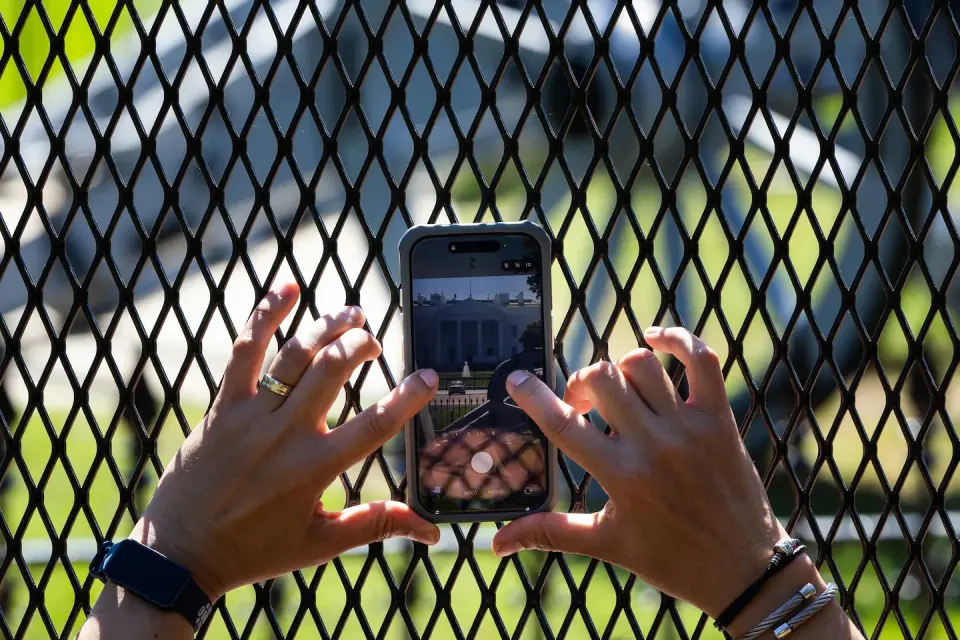
Tour guide businesses in Washington, D.C., are experiencing a significant drop in bookings in 2026. Industry insiders attribute this decline to a combination of factors, including extensive construction projects, the closure of key landmarks, and a perceived shift in the city's political atmosphere. While some operators report that international visitors are avoiding the capital, the White House disputes these claims, citing data that suggests domestic tourism remains robust.
Key points
- E. David Luria, owner of Washington Photo Safari, notes a severe drop in clients after 27 years in the business.
- Guides cite physical barriers, such as fencing around the White House, and site closures as deterrents for visitors.
- The White House rejects the narrative of declining tourism, pointing to increased domestic attendance and events.
- International visitor numbers appear to have decreased, disproportionately affecting specialized tour companies.
- The situation reflects broader tensions between the administration's changes to the D.C. landscape and the tourism industry's reliance on traditional access and aesthetics.
Background
This development follows earlier reports in September 2026 regarding the administration's efforts to rename landmarks, such as Ford's Theatre, and the broader criticism from figures like James Carville that these changes alter the city's constitutional identity. These physical and symbolic changes have contributed to a shifting perception of the capital among visitors.
Why it matters
The tourism industry is a vital economic engine for Washington, D.C. A sustained decline in bookings, particularly from international visitors, could have long-term financial repercussions for local businesses and the city's reputation as a global destination. This situation highlights the intersection of political policy, urban development, and economic stability.
What to watch
Tour operators may continue to adapt their services to accommodate new restrictions or focus on domestic markets. The White House may further emphasize its tourism initiatives to counter negative perceptions. The long-term impact on D.C.'s tourism sector will depend on how these political and physical changes evolve.
Want the full story? Read the original reporting
Read on The Washington Post