
Florida voters approve Amendment 3, expanding homestead exemptions to $250,000 by 2028
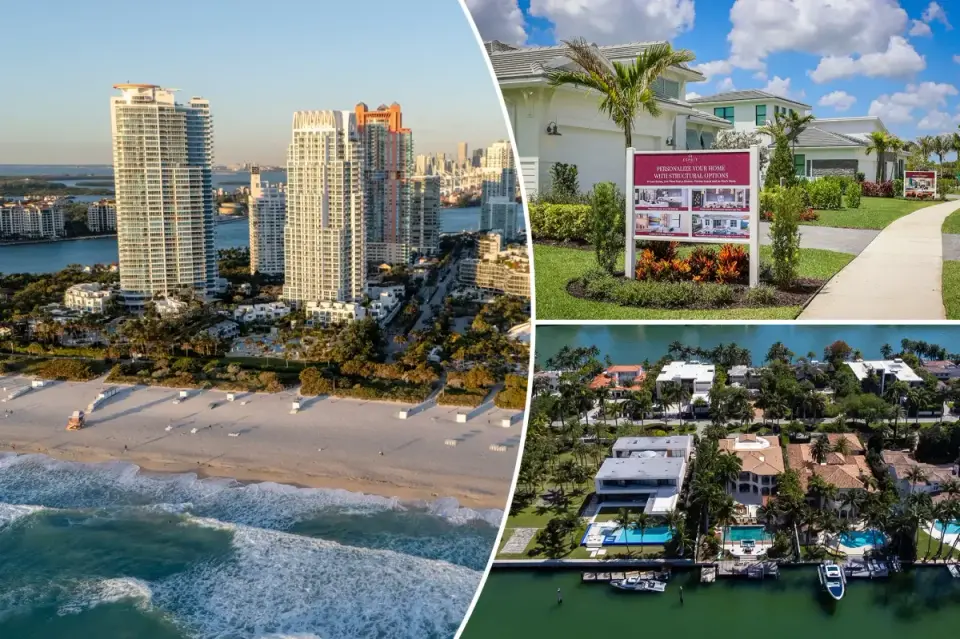
Florida voters approved Amendment 3 with 62% support, significantly expanding the state's homestead property tax exemption. The measure raises the tax-free portion of a home's assessed value from $50,000 to $150,000 in 2027 and $250,000 in 2028, with future increases tied to inflation. While this provides substantial savings for current residents, new transplants face a five-year waiting period before accessing the full benefit. Local governments face significant revenue losses, with estimates suggesting a $5 billion reduction in 2027 and $8.8 billion in 2028, potentially forcing budget cuts in public safety and services.
Key points
- Amendment 3 passed with 62% of the vote, exceeding the 60% threshold required to amend the Florida Constitution.
- The homestead exemption will increase to $150,000 in 2027 and $250,000 in 2028, shielding more of a home's value from local non-school property taxes.
- New residents must be Florida residents by December 31, 2026, to eventually qualify for the expanded exemption, but they will only receive the current $50,000 benefit for their first five years of eligibility.
- The Florida legislature estimates local property tax revenues will drop by nearly $5 billion in 2027 and $8.8 billion in 2028 due to the amendment.
- The measure also halves the annual cap on assessed value increases for non-homestead properties, such as vacation homes and investment properties, from 10% to 5%.
- Jacksonville council auditors estimate the city may need to cut $200 million from its $2 billion general fund operating budget next year to address revenue shortfalls.
Background
This development follows a broader national trend of property tax revolts, where voters in multiple states have weighed in on measures to cap or cut taxes amid rising home values and stagnant incomes. In the 2026 midterms, North Carolina and Louisiana also approved property tax relief measures, while Wyoming and Oklahoma rejected similar initiatives. Florida's Amendment 3 is part of a larger political push to reduce the 'hidden costs' of homeownership, including insurance and HOA fees, which have risen sharply in recent years. The state has long attracted wealthy residents from high-tax states like New York and California, and the new tax breaks are expected to accelerate relocation trends, particularly in luxury markets like Palm Beach and South Florida.
How outlets are covering it
Supporters, including Miami Realtors and Gov. Ron DeSantis, framed Amendment 3 as a necessary relief measure for homeowners facing skyrocketing tax bills, with DeSantis stating that 'truly owning private property should not mean perpetually paying rent to the government.' Real estate agents noted that the tax cuts are already influencing relocation decisions, with some wealthy buyers accelerating moves to start the five-year eligibility clock. However, critics, including local sheriffs and public safety leaders, warned that the revenue losses would decimate local services. Nassau County Sheriff Bill Leeper and Clay County Sheriff Michelle Cook urged voters to reject the amendment, citing potential cuts to emergency services. The Jacksonville Sheriff's Office, while initially neutral, acknowledged the need for responsible stewardship of taxpayer dollars amid the expected budget gaps. Policy analysts noted that while property taxes are rising faster than inflation, eliminating them requires finding alternative revenue sources or reducing public services, creating a complex trade-off for local governments.
Why it matters
Amendment 3 represents a major shift in Florida's fiscal landscape, providing significant tax relief for homeowners but creating substantial budget challenges for local governments. The five-year waiting period for new residents may influence migration patterns, potentially accelerating the influx of wealthy buyers from high-tax states. The revenue losses could force local governments to cut services or seek new revenue sources, impacting public safety, infrastructure, and other essential services. The amendment also reflects a broader national trend of voters seeking relief from rising property taxes, highlighting the tension between tax cuts and the funding of public services. As local governments grapple with the financial implications, the amendment may set a precedent for other states considering similar measures, potentially reshaping the balance between property tax relief and public service funding across the country.
What to watch
Local governments across Florida will begin evaluating the budget implications of Amendment 3, potentially leading to spending cuts or new revenue sources. Jacksonville is expected to face a $200 million shortfall in its general fund operating budget next year, prompting discussions on how to address the gap. The 'Save Our Homes' website and calculator will likely see increased usage as homeowners seek to estimate their potential tax savings. Real estate markets in Florida, particularly in luxury areas, may see increased interest from potential transplants, with some buyers accelerating their moves to start the five-year eligibility clock. Local sheriffs and public safety leaders will continue to monitor the impact of the revenue losses on their budgets and services, potentially advocating for alternative funding sources or efficiency measures. The amendment's long-term effects on local government finances and public services will be closely watched, with potential implications for other states considering similar property tax reforms.
- Florida approves sweeping property-tax breaks — but New Yorkers planning a move face a catch New York Post
- 'The money has to come from somewhere': Florida voters approve sweeping property tax cut, while tax revolts in Wyoming and Oklahoma fall short Yahoo Finance
- Northeast Florida sheriffs react after Amendment 3 passes News4JAX
- Check calculator to see your home's property tax savings after Amendment 3 passes NBC 6 South Florida
- After property tax cut victory, DeSantis eyes special session firstcoastnews.com
Want the full story? Read the original reporting
Read on New York Post