
Heating Oil Crisis: Northeast Households Face $1,000 Winter Bill Spike
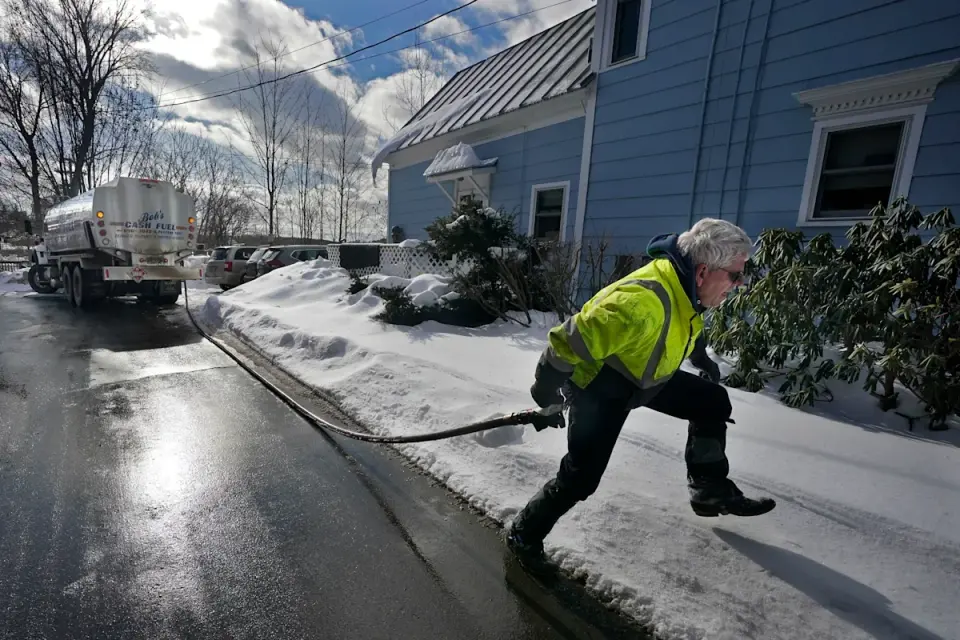
Heating oil costs in the U.S. have surged 113% year-over-year, reaching $4.79 per gallon at New York Harbor. This spike, driven by global diesel shortages and Middle East conflict, is projected to add nearly $1,000 to winter bills for Northeast households. Low-income families face a critical shortfall as LIHEAP assistance remains capped, prompting calls for emergency federal funding.
Key points
- No. 2 heating oil at New York Harbor hit $4.79 per gallon on September 29, 2026, a 113% increase from the previous year.
- The National Energy Assistance Directors Association (NEADA) projects a 50% rise in heating costs, with Northeast families facing an additional $1,000 in expenses compared to last winter.
- A typical home burning 700 gallons will spend approximately $3,352 on fuel alone, nearly $2,000 more than the January low.
- The Trump administration has proposed zeroing out LIHEAP funding, while Senator Susan Collins and Governor Janet Mills urge Congress to approve supplemental emergency aid.
- Diesel prices reached a record high of $6.50 per gallon in late September, directly impacting heating oil costs due to shared refining processes.
Background
Previous coverage in September 2026 indicated a 31% rise in heating oil costs, with average winter bills projected at $2,300. By early October, the situation worsened significantly as crude oil prices exceeded $100 per barrel due to Middle East conflicts. Earlier reports highlighted a $500 gap between LIHEAP benefits and actual heating costs for low-income families, a disparity that has widened as prices continue to climb.
How outlets are covering it
24/7 Wall St. emphasizes the immediate financial risk for homeowners, noting that locking in fixed prices now could result in overpaying by $1,091 if prices drop, while USA Today focuses on the broader social impact, highlighting that 4.79 million households rely on heating oil and that the 50% cost increase threatens food and medicine budgets. WMTW highlights the political response in Maine, where Senator Collins advocates for pipeline infrastructure and increased LIHEAP funding, contrasting with the administration's proposal to eliminate the program. While all sources agree on the severity of the price spike, they differ on the primary driver: 24/7 Wall St. cites the Russia-Europe diesel shortage, while USA Today points to conflicts in Iran and Ukraine.
Why it matters
The surge in heating oil costs represents a significant cost-of-living crisis for millions of Americans, particularly in the Northeast. With prices at the 96th percentile of historical ranges, households face potential winter bills exceeding $2,600. The inadequacy of current federal assistance programs, such as LIHEAP, threatens to leave low-income and fixed-income households without adequate heating, potentially leading to unsafe living conditions. This economic strain may also influence midterm elections as voters grapple with rising energy expenses.
What to watch
Congress is expected to debate supplemental LIHEAP funding, with NEADA requesting $3 billion in emergency aid. Homeowners are advised to compare dealer options, such as capped prices versus fixed prepayments, to mitigate financial risk. The U.S. government may also consider diesel export bans to stabilize domestic prices, while Russia has indicated it might partially lift its own export ban if it overproduces.
- ‘A lot of sticker shock’: Home heating costs surge for millions amid oil crisis Yahoo Finance
- 'Can't Wait to Heat My House in Connecticut This Winter': Odd Lots Host as Heating Oil Hits $4.79 a Gallon, Up 113% 24/7 Wall St.
- Sen. Susan Collins responds to Gov. Janet Mills' calls to approve increased LIHEAP funding WMTW
- Why millions of Americans may have no warm winter nights this year USA Today
- Use heating oil in the winter? Expect your bill to be $900 more WTAE
Want the full story? Read the original reporting
Read on Yahoo Finance