
ICE Raids in Cattle Country Delay Shipments, Spark Beef Price Fears
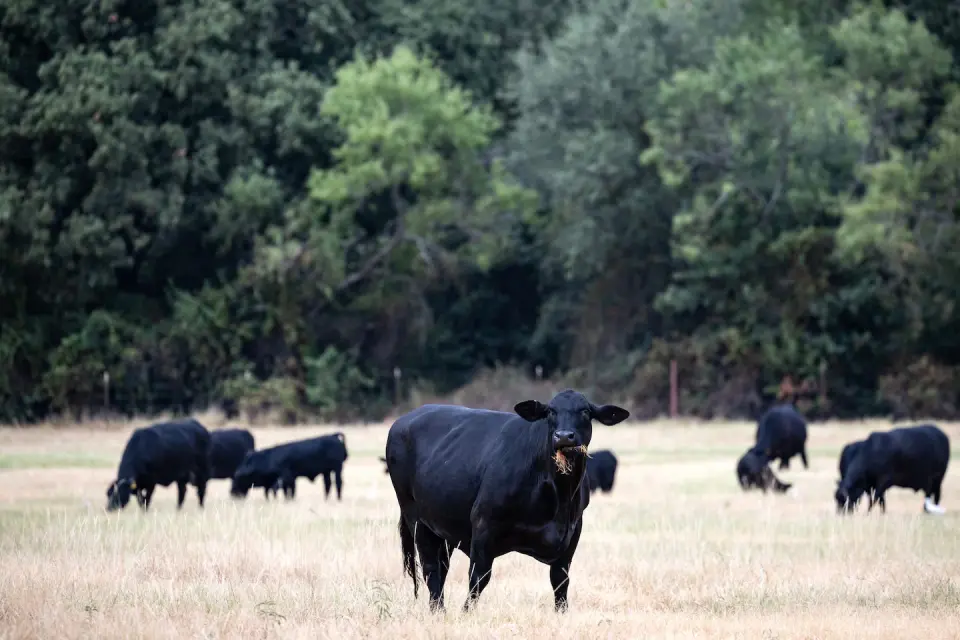
Cattle associations in Texas, Kansas, and Oklahoma report that recent Immigration and Customs Enforcement (ICE) sweeps have delayed the shipment of thousands of cattle to processing plants. Industry groups warn that these disruptions are raising the price of ground beef for consumers. The delays come as U.S. cattle herds remain at a 75-year low and beef prices continue to rise. Meanwhile, U.S. Senator Roger Marshall has shifted his public stance on ICE operations in Kansas, urging the agency to coordinate with local law enforcement, a move seen as a strategic pivot in his tight reelection race.
Key points
- ICE sweeps in cattle-heavy regions have led to delayed shipments of thousands of cattle to processing plants, according to local cattle associations.
- Industry groups state that the raids are having a 'massive chilling effect' on the workforce, which includes many legal, documented, and skilled workers.
- The price of a pound of ground beef increased again in August, compounding concerns about rising consumer costs.
- U.S. Senator Roger Marshall recently called for ICE to coordinate with local police in Kansas, a notable shift from his previous defense of the agency's operations.
- Local officials in Dodge City, Garden City, and Liberal stated they were not notified in advance of the increased federal immigration enforcement activity.
Background
This development follows a series of recent policy shifts regarding beef supply. In August, the Trump administration announced plans to suspend duties on 300,000 metric tons of imported beef to lower prices before the midterms, a move criticized by ranchers and some GOP lawmakers for potentially harming domestic producers. Additionally, U.S. cattle herds have sunk to a 75-year low due to drought, high diesel costs, and volatile markets, creating a fragile supply chain that is now further strained by labor disruptions from immigration enforcement.
How outlets are covering it
The Washington Post emphasizes the direct economic impact of ICE raids on the beef supply chain, highlighting how labor shortages in cattle country are delaying shipments and driving up prices for consumers. In contrast, The Kansas City Star focuses on the political ramifications of these raids, specifically how they are influencing the Kansas Senate race. The Star notes that Senator Roger Marshall’s recent call for ICE to coordinate with local law enforcement marks a significant tonal shift from his previous support of the agency, a move analysts attribute to his need to appeal to moderate voters in a tight race against Rev. Adam Hamilton. While the Post frames the issue as a supply chain and consumer price crisis, the Star frames it as a political liability for the administration and its allies in red-state politics.
Why it matters
The disruption of the beef supply chain by immigration enforcement highlights the intersection of labor policy, agricultural economics, and political strategy. As beef prices rise and cattle herds remain at historic lows, any further disruption to the workforce could exacerbate inflation and food costs for American consumers. Simultaneously, the political fallout in Kansas demonstrates how immigration enforcement is becoming a central issue in the 2026 midterm elections, forcing even staunch supporters of the Trump administration to moderate their rhetoric to remain competitive in tight races.
What to watch
Watch for further delays in cattle shipments and potential increases in beef prices as ICE operations continue in cattle-heavy states. Monitor the Kansas Senate race for any further shifts in Senator Marshall’s stance on immigration, as well as the response from local officials in Kansas who were not notified of the raids. Additionally, observe if the administration’s beef import plans are adjusted in response to the domestic supply disruptions caused by labor shortages.
- Ranchers accuse Trump administration of disrupting beef supply, as prices rise The Washington Post
- US immigration crackdown hits Kansas, disrupts beef processing Reuters
- OK Cattlemen’s Association says ICE raids are hurting cattle industry KFOR
- In Kansas reelection bid, Roger Marshall strikes a different tone on ICE kansascity.com
- Advocates prepare immigrants for more ICE activity in Kansas KSN-TV
Want the full story? Read the original reporting
Read on The Washington Post