
ProPublica: Major Firms Use $100B Tariff Refunds for Executive Bonuses, Not Consumer Rebates
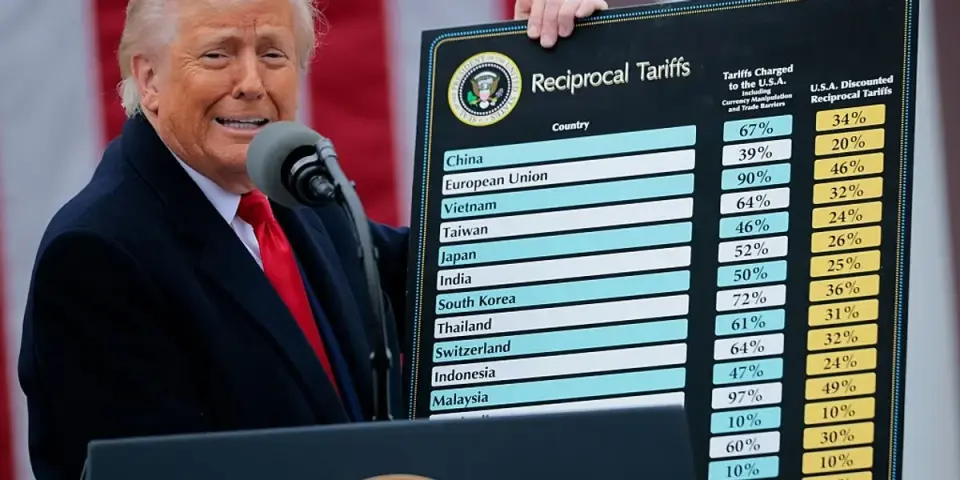
A ProPublica investigation reveals that at least nine major US corporations are using billions in tariff refunds to pay executive bonuses rather than reimbursing consumers who absorbed the costs through higher prices. While the Supreme Court struck down the tariffs, leaving the government to refund importers, companies like Stanley Black & Decker and TJX have directed funds toward compensation. Democratic senators have urged the Federal Trade Commission to investigate these practices as potentially deceptive, though the administration argues the refunds legally belong to the importers, not the public.
Key points
- ProPublica found that at least nine companies, including Stanley Black & Decker, TJX, and Titleist, are using tariff refunds for executive bonuses.
- Stanley Black & Decker is receiving at least $298 million in refunds, while TJX received $331 million, with $112 million allocated to bonuses.
- The US government has refunded over $100 billion since the Supreme Court ruled the tariffs illegal in early 2026.
- Democratic senators have asked the FTC to investigate whether companies engaged in unfair or deceptive practices by not passing refunds to consumers.
- Treasury Secretary Scott Bessent maintains that refunds legally belong to importers of record, not consumers, despite evidence that consumers paid a significant portion of the tariff costs.
Background
In early 2026, the US Supreme Court ruled that President Trump’s 2025 tariffs were illegal because they lacked congressional approval. This decision triggered a massive refund process for importers. Previous coverage noted that while some companies like Levi Strauss used refunds to boost margins, others faced public scrutiny. The current situation highlights a disparity between corporate actions and consumer expectations, following a period where tariffs were widely blamed for inflation and high prices.
How outlets are covering it
ProPublica and The Guardian emphasize that companies are prioritizing executive compensation over consumer restitution, citing specific financial disclosures. WWD highlights the legal and regulatory push from Democratic senators to investigate these practices as deceptive. In contrast, the Trump administration, via Treasury Secretary Scott Bessent, argues that the refunds legally belong to the importers of record and that consumers are not entitled to the funds, blaming Democratic lawsuits for the refund process. Common Dreams frames the issue as a broader failure of the administration to protect working Americans from corporate profiteering.
Why it matters
This story highlights the disconnect between corporate financial windfalls and consumer economic hardship. If companies retain refunds without lowering prices, consumers who paid higher prices due to tariffs may not see any relief, potentially exacerbating inflation and public distrust in both corporate and government institutions. The potential FTC investigation could set a precedent for how corporate windfalls are regulated in the future.
What to watch
The Federal Trade Commission is expected to decide whether to open an investigation into companies that retained tariff refunds without passing them to consumers. Additionally, class-action lawsuits against retailers like Walmart, Target, and Nike may proceed, potentially forcing companies to reimburse customers. The outcome of these legal and regulatory actions will determine whether consumers receive any direct benefit from the $100 billion in refunds.
- These Corporations Are Using Trump Tariff Refunds to Reward Executives—Not Help Consumers Common Dreams
- These Companies Are Using Trump’s Tariff Refunds for Executive Bonuses ProPublica
- Several companies are using Trump tariff refunds for corporate bonuses The Guardian
- Surprise! You’re Never Seeing a Dollar From Trump’s Tariff Refunds The New Republic
- TJ Maxx, Marshalls Among Companies Retaining Tariff Refunds for Executive Bonuses WWD
Want the full story? Read the original reporting
Read on Common Dreams