
Tariff-Free Beef Imports Spark Price Volatility and Rancher Backlash
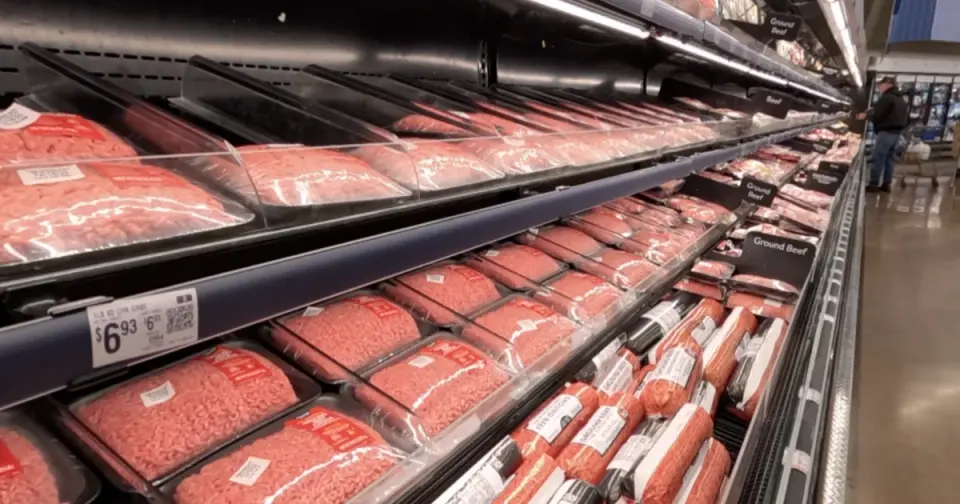
The Trump administration’s 90-day waiver of tariffs on 300,000 metric tons of imported lean beef has triggered a sharp drop in cattle prices, causing financial distress for U.S. ranchers. While the White House aims to lower consumer grocery costs, critics argue the move undermines domestic herd recovery and benefits large meatpackers. Consumers face uncertainty regarding product origin, as mandatory country-of-origin labeling for ground beef was removed in 2015, though new executive orders promise a review of labeling rules.
Key points
- Trump signed a proclamation allowing 300,000 metric tons of tariff-free lean beef imports for 90 days to address high retail prices.
- Cattle prices fell by approximately 30% in Florida’s Okeechobee market following the announcement, causing significant losses for ranchers.
- The USDA’s Cattle on Feed Report showed historically tight placements, indicating a supply shortage that the imports may exacerbate.
- Consumers cannot easily distinguish imported from domestic ground beef due to the absence of mandatory country-of-origin labeling since 2015.
- The administration issued executive orders to review labeling and competition laws, but critics say these measures lack immediate enforcement power.
Background
This policy follows earlier announcements in August 2026 regarding the tariff waiver, which was framed as a measure to combat inflation and support working families. Previous coverage noted that the import volume represents roughly 10% of projected U.S. beef consumption during the window. The move coincides with a broader push to lower food costs ahead of the November midterm elections, despite concerns from agricultural groups about long-term herd sustainability.
How outlets are covering it
WCPO 9 emphasizes consumer confusion, noting that shoppers at ETC Produce and Provisions prefer domestic beef but lack clear labeling to verify origin. Registered dietitian Kayla Pasquale advises looking for 'Product of USA' labels, warning that 'packed in the U.S.' does not guarantee domestic sourcing. Politico highlights political fallout in Florida, where GOP Rep. Kat Cammack warns that ranchers may disengage from voting due to financial losses, despite the state’s historical support for Republicans. The American Prospect argues that the policy benefits the 'Big Four' meatpackers, which control 85% of the market, while ranchers face rising input costs and volatile futures. It notes that the administration’s response, including executive orders on labeling and competition, is seen as insufficient by industry leaders who cite prior deregulation of enforcement agencies.
Why it matters
The policy creates a direct conflict between short-term consumer affordability and long-term agricultural stability. If imported beef continues to undercut domestic prices, U.S. ranchers may exit the industry, leading to further consolidation and potential future price spikes. Additionally, the lack of transparent labeling undermines consumer trust and safety standards, as imported meat may not meet the same regulatory requirements as domestic products.
What to watch
The 90-day import window is set to expire in November 2026. The administration has promised a 90-day review of country-of-origin labeling and competition laws, but no immediate regulatory changes are guaranteed. Ranchers and lawmakers are calling for concrete relief measures, such as stronger enforcement of the Packers and Stockyards Act, before the midterm elections.
- Imported beef? How to spot American ground beef as tariff-free imports hit US WCPO 9 Cincinnati
- Opinion | Why Did Trump Order Up 660 Million Pounds of Mystery Meat? The New York Times
- Florida’s midterm drama deepens with concerns over Trump beef import plan politico.com
- Cattle Ranchers Have a Beef With Trump The American Prospect
- Here��s How To Tell Whether Beef Is From The U.S. forbes.com
Want the full story? Read the original reporting
Read on WCPO 9 Cincinnati