
Trump Administration Uses 'Legal Jujitsu' to Bypass Court Rulings via Rapid Execution
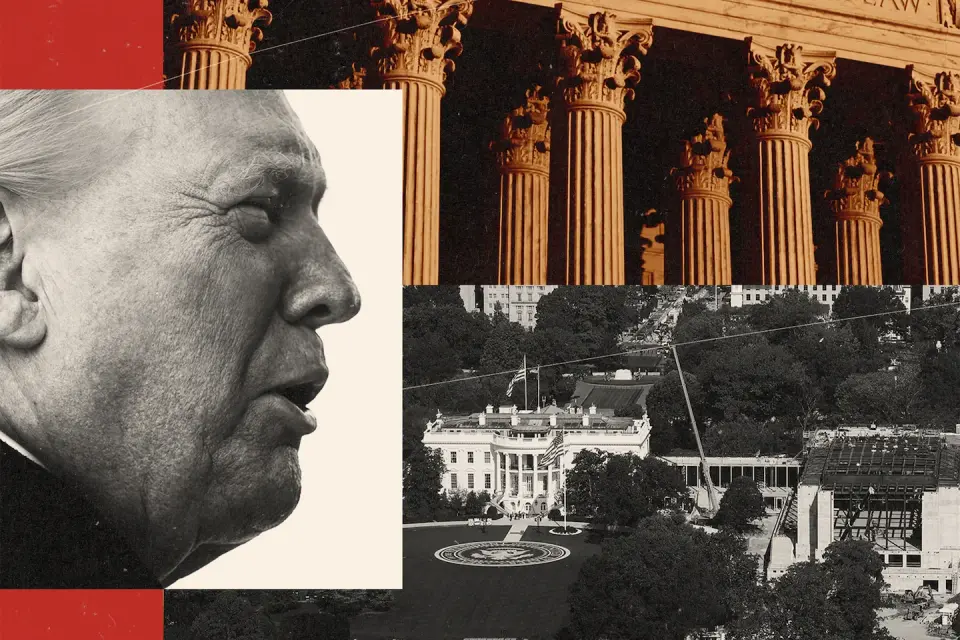
The Trump administration has adopted a strategy of 'legalistic noncompliance,' using rapid execution and shifting legal justifications to bypass judicial rulings. By completing projects before courts can intervene or reissuing policies under different statutes, the executive branch has maintained its agenda despite numerous adverse rulings. This approach has strained relations between the Justice Department and the judiciary, with critics arguing it undermines the traditional presumption of regularity and the courts' role as a check on executive power.
Key points
- The administration frequently completes construction projects, such as the White House ballroom and East Potomac Golf Links renovations, before courts can issue injunctions, citing 'Trump speed' to outpace legal challenges.
- After the Supreme Court struck down tariffs under the International Emergency Economic Powers Act, the administration reimposed similar levies on over 60 countries using a 1974 forced labor statute, a move critics call a pretext.
- In the golf course case, the administration bulldozed 400 trees on a holiday weekend after giving minimal notice, leading Judge Ana Reyes to open an inquiry into whether the government misled the court.
- Legal experts describe the strategy as 'legalistic noncompliance,' where officials use technical arguments to appear compliant while effectively defying the spirit of judicial orders.
- The administration has invoked national security concerns to justify projects, such as the White House ballroom and a proposed triumphal arch, shifting rationales as legal challenges progress.
Background
This pattern of aggressive legal tactics follows a broader trend of the administration challenging judicial authority, including recent disputes over energy policies and judicial appointments. The incoming Democratic majority in Congress is expected to face similar obstacles from the executive branch, potentially complicating oversight and investigations. Previous administrations have also faced court challenges, but the current scale and speed of the administration's efforts to circumvent rulings are described by legal experts as unprecedented.
Why it matters
The administration's ability to bypass court rulings through rapid execution and legal maneuvering raises significant concerns about the balance of power and the rule of law. If the executive branch can consistently outpace the judiciary, it may weaken the courts' ability to serve as a check on presidential authority, potentially setting a precedent for future administrations and undermining public trust in the legal system.
What to watch
The incoming Democratic majority in Congress is expected to pursue oversight and investigations into the administration's legal tactics. Legal challenges to the new tariffs and other policies are likely to continue, but the administration may attempt to reissue them under different legal authorities. The outcome of Judge Reyes' inquiry into the golf course case and other ongoing lawsuits will be critical in determining the limits of executive power and judicial compliance.
Want the full story? Read the original reporting
Read on The Washington Post