
Judge Allows 1,000 DOJ Poll Monitors but Bans Armed Officers and Uniforms
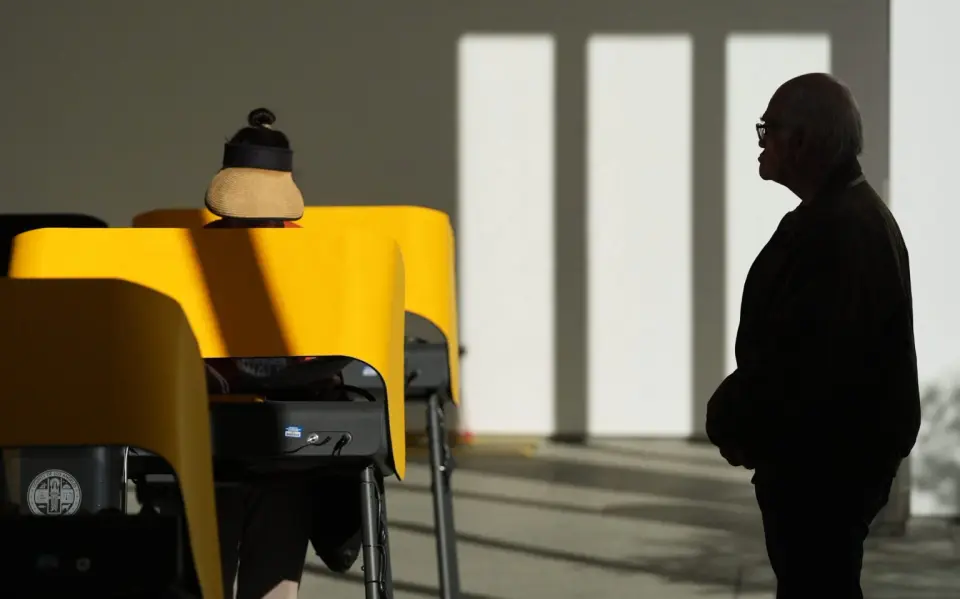
U.S. District Judge Reggie Walton denied the NAACP’s request to block the Department of Justice from deploying 1,000 election monitors on Election Day, but imposed strict conditions. The DOJ must ensure monitors are administrative staff, not sworn law enforcement, and must not wear uniforms, carry weapons, or have arrest powers. The ruling follows a last-minute reversal by the DOJ, which previously claimed agents from the DEA and Bureau of Prisons would be present.
Key points
- Judge Walton ordered the DOJ to submit a status report by 7 a.m. ET on Election Day confirming that no monitors are sworn officers with arrest powers.
- The DOJ deployed a record 1,000 monitors across all 50 states, with a concentration in major Democratic-leaning cities.
- Monitors are prohibited from wearing federal insignia, carrying firearms, or speaking with voters inside polling places.
- The NAACP argued the deployment violated the Voting Rights Act by intimidating minority voters through a 'commanding presence.'
- The DOJ reversed its earlier stance, stating it would exclude agents from the FBI, DHS, DEA, ATF, and U.S. Marshals Service.
Background
This ruling occurs amid heightened tensions over federal election interference. In early October 2026, a Florida judge struck down the federal noncitizen voting statute, challenging the Trump administration’s enforcement agenda. On November 2, 2026, the DOJ abruptly reversed its position in a hearing, agreeing to bar sworn law enforcement from poll monitoring, a shift from earlier declarations that agents from the Bureau of Prisons and DEA would be deployed.
How outlets are covering it
Democracy Docket emphasizes the DOJ’s abrupt about-face during the hearing, noting that the agency previously claimed agents from the Bureau of Prisons, DEA, and ATF would be present. The outlet highlights Judge Walton’s warning against false representations to the court. Fox News focuses on the judge’s rejection of the NAACP’s claim that a 'commanding presence' would generate reasonable fear, noting that the court found the current record insufficient to support the plaintiffs' assertions. Both outlets agree on the final conditions but differ in framing the DOJ’s initial intentions and the legal sufficiency of the NAACP's case.
Why it matters
The decision sets a precedent for federal involvement in election monitoring, balancing civil rights concerns against administrative oversight. It establishes strict boundaries for federal presence at polling places, potentially influencing future disputes over voter intimidation and the scope of the Voting Rights Act.
What to watch
The DOJ must file a sworn status report by 7 a.m. ET on November 3, 2026, detailing how it confirmed the exclusion of sworn law enforcement officers. Civil rights groups will monitor polling locations for compliance with the judge’s orders regarding uniforms, weapons, and interactions with voters.
- Judge won’t bar DOJ from deploying law enforcement to voting sites Democracy Docket
- Election Protection: NAACP Warns of Voter Suppression & Deployment of Federal Agents to the Polls Democracy Now!
- Voter intimidation ban doesn’t apply to federal government, DOJ claims in shocking new argument Democracy Docket
- Federal judge orders DOJ to ensure poll monitors are not law enforcement officials Fox News
- Groups Seek Emergency Restraining Order Against Trump DOJ 'Voter Intimidation Effort' at Polls Common Dreams
Want the full story? Read the original reporting
Read on Democracy Docket