
Trump Terminates Methane Rules to Boost Oil Output Amid Rising Fuel Prices
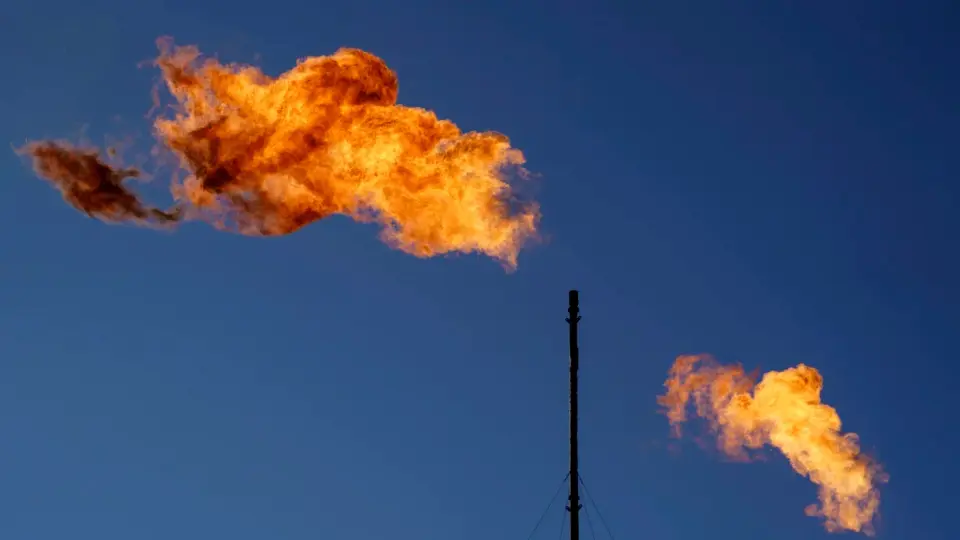
The Trump administration has proposed scrapping Biden-era regulations targeting methane emissions from the oil and gas sector. Announced at a Texas rally, the move aims to save the industry $45 billion and unlock 210 million barrels of oil, though environmentalists argue it will increase pollution and waste valuable natural gas.
Key points
- President Trump announced the termination of 2023 methane rules during a campaign rally in Lubbock, Texas, framing the decision as a way to lower energy costs and boost domestic production.
- The EPA proposal eliminates the 'Methane Super Emitter Program,' which was set to begin in January 2027, and loosens restrictions on low-volume 'marginal' wells that are often significant sources of leaks.
- EPA Administrator Lee Zeldin stated the rollback would save $45 billion in costs and produce an additional 210 million barrels of oil and 1.41 trillion cubic feet of natural gas.
- Environmental groups counter that capturing methane leaks increases sellable gas supply, arguing that the rollback harms energy security and reduces tax revenue for the government.
- The decision coincides with a global trend of weakening methane regulations, including a three-year delay in the European Union, despite advancements in satellite detection technology that can identify leaks with high accuracy.
Background
The 2023 Biden administration rules were designed to curb methane, a greenhouse gas with 80 times the warming potential of carbon dioxide over 20 years. The current proposal follows a period of rising fuel prices and geopolitical tensions, including the U.S. conflict with Iran, which has heightened concerns about energy affordability. While the archive notes recent federal shifts in AI policy, this energy move reflects a broader deregulatory approach in the current administration.
How outlets are covering it
Supporters, including the American Petroleum Institute and EPA Administrator Lee Zeldin, argue the previous rules were 'destructive' and 'crippling,' costing the industry billions and stifling production. They emphasize that the rollback provides regulatory certainty and boosts energy output. Conversely, environmentalists like the Environmental Defense Fund and Carbon Mapper argue that the rules were cost-effective because they allowed companies to capture and sell gas that would otherwise leak. Critics note that while satellite technology now detects leaks with 92-100% accuracy, the removal of enforcement mechanisms like the Super Emitter Program will make it harder to hold polluters accountable. The European Union is also delaying similar rules, citing energy security concerns, though experts argue this only reduces supply.
Why it matters
The rollback signals a significant shift in U.S. climate policy, prioritizing immediate energy production and cost savings over long-term emission reductions. As methane is a potent driver of climate change, this decision may increase global emissions at a time when detection technology has made mitigation more feasible. It also highlights the tension between energy security and environmental regulation in the face of rising fuel prices and geopolitical instability.
What to watch
The EPA plans to hold a 45-day public comment period and a public hearing after the rule changes are published in the Federal Register. The outcome will depend on stakeholder feedback and potential legal challenges. Meanwhile, the European Union is finalizing its own delays to methane regulations, and global methane emissions have not fallen since the 2030 pledge, indicating a broader trend of regulatory backsliding.
- Trump administration wants to remove regulations on a super planet-heating gas NPR
- Trump kills methane rule days after a plume was found near his rally Politico
- Trump Moves to Weaken Methane Emissions Rules for Oil and Gas WSJ
- Trump tells Texas campaign rally crowd he’s rolling back environmental rules to curb methane pollution – as it happened The Guardian
- Trump announces end of Biden-era methane rule, citing $45B in savings Fox Business
Want the full story? Read the original reporting
Read on NPR