
US Secures 35% Stake in Venezuelan Oil Operator Amid Controversy Over Betancourt and Timeline
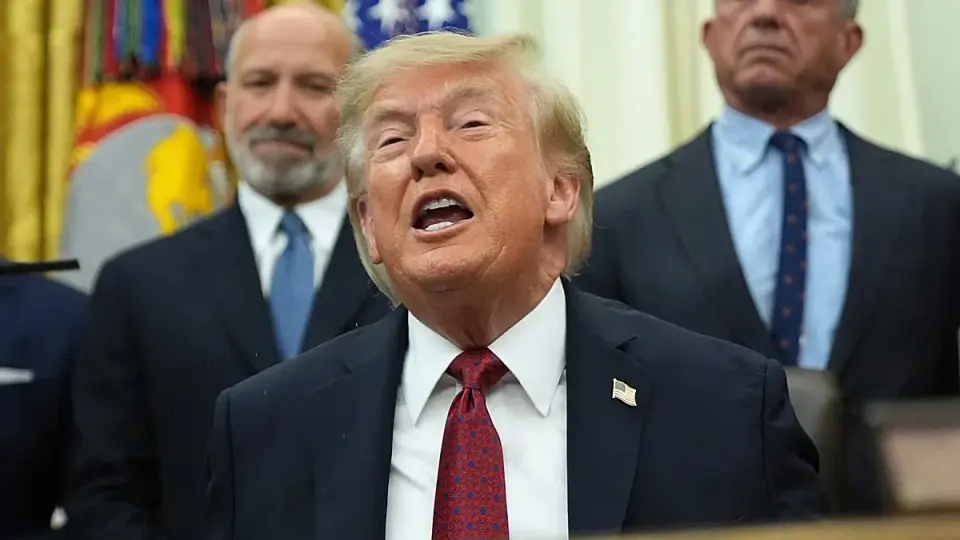
The Trump administration has finalized a deal granting the US a 35% equity stake in North American Blue Energy Partners (NABEP), securing access to 17 Venezuelan oil fields with 65 billion barrels of reserves. While the White House frames this as a historic move to refill the Strategic Petroleum Reserve and counter Chinese and Russian influence, industry experts warn that production ramps will take years, offering no immediate relief for US gas prices. The agreement, signed by Secretary of State Marco Rubio and Secretary of War Pete Hegseth, involves NABEP, controlled by controversial businessman Alejandro Betancourt, committing to $100 billion in infrastructure investment. Critics question the legality and durability of the deal, noting that Betancourt faces unresolved legal scrutiny in the US and Europe, while oil majors remain hesitant to join without clearer guarantees.
Key points
- The US Department of War’s Office of Strategic Capital holds a 35% equity stake in NABEP’s parent company, with the US government retaining veto power over board appointments and requiring a majority of US citizen directors.
- NABEP has received 100-year concessions for 17 oil fields, though Venezuelan Acting President Delcy Rodríguez stated the contracts last only 25 years, creating a discrepancy in terms.
- The US secures the right to purchase 20% of all current and future NABEP output at production cost, intended to refill the Strategic Petroleum Reserve, which has fallen to 287 million barrels.
- NABEP, controlled by Alejandro Betancourt, is committed to investing up to $100 billion in Venezuelan infrastructure and is expected to pay $200 billion in royalties and taxes over 25 years.
- Oil majors like Exxon and Chevron are hesitant to participate, citing unresolved legal risks and the need for assurances regarding Betancourt’s involvement, despite Trump’s claims of their interest.
Background
This deal follows the January 2026 US military operation that removed Venezuelan leader Nicolás Maduro, leading to Delcy Rodríguez’s interim presidency. Previous coverage highlighted concerns over the deal’s legality, the potential for neo-colonialism, and the slow timeline for production increases. The agreement aims to shift control of Venezuelan oil fields from Russian and Chinese firms to US-aligned entities, framing it as a reassertion of the Monroe Doctrine.
How outlets are covering it
Euronews emphasizes the White House’s framing of the deal as a historic victory, highlighting the 35% equity stake and the potential to counter Chinese and Russian influence. Axios focuses on the controversy surrounding Betancourt, noting US officials’ defense of him as a 'proven operator' despite his legal scrutiny, and the realpolitik of the arrangement. The Washington Post highlights the industry’s skepticism, arguing that the deal will not lower gas prices in the near term due to the difficulty and cost of extracting heavy Venezuelan crude. USA Today underscores the geopolitical motivation, linking the deal to the Iran war and the need to secure energy supplies away from adversaries. All sources agree on the core terms but differ in their assessment of the deal’s feasibility and immediate impact.
Why it matters
The deal represents a significant shift in US energy policy, aiming to secure access to vast oil reserves and refill the Strategic Petroleum Reserve. However, its success depends on overcoming legal, political, and economic hurdles, including the controversial role of Betancourt and the reluctance of major oil companies. The outcome could influence US-Venezuela relations, global energy markets, and the future of US foreign policy in the Western Hemisphere.
What to watch
Further energy contracts are expected to be signed this week, with Chevron potentially announcing an expansion of operations in Venezuela. The clarity of the deal’s terms and the participation of major oil companies will determine its viability. US lawmakers are seeking more information, and the deal’s impact on gas prices and the Strategic Petroleum Reserve will be monitored in the coming months.
- Trump vows US will take 'all' of Venezuela's oil as deal details emerge Euronews.com
- How the Pentagon Is Getting Into the Venezuelan Oil Business Under Trump The New York Times
- U.S. officials defend deal with controversial Venezuelan oil baron Axios
- Trump said his deal with Venezuela would lower gas prices. Will it? The Washington Post
- US-Venezuela oil deal about supply and thwarting 'adversary': White House USA Today
Want the full story? Read the original reporting
Read on Euronews.com