
Russian Diesel Tankers Divert as US Inventories Hit 20-Year Low
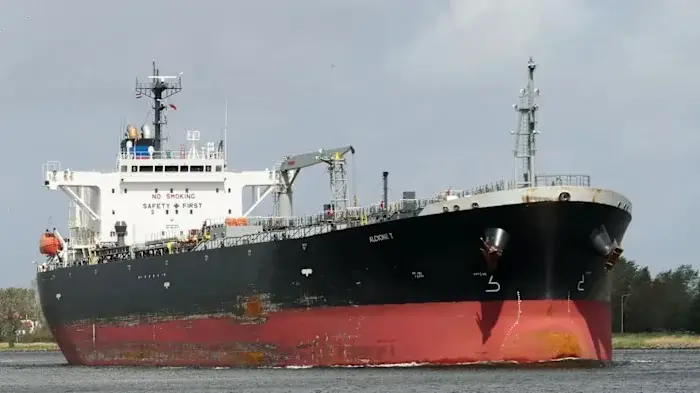
President Trump’s agreement to import Russian diesel to lower US fuel prices is collapsing as two of the first three tankers have diverted away from American ports. US diesel inventories have dropped below 100 million barrels, a 20-year low, while Democratic control of Congress and state-level threats have stalled the deal.
Key points
- Two tankers, the Talisman and Leruo, have changed course; the Talisman is now in the Mediterranean, and the Leruo is heading to Brazil.
- US diesel inventories have fallen below 100 million barrels for the first time in over two decades.
- Diesel prices at the pump have reached $6.27 per gallon, near September records, after rising more than 60% since the start of the Iran conflict.
- New Jersey Governor Mikie Sherrill warned port operators that accepting Russian diesel could result in harsh penalties.
- Democratic candidates won both houses of Congress in the midterms, increasing legislative pressure to rescind the deal.
Background
In October, the Trump administration announced a deal with Russia to import diesel to combat soaring fuel prices ahead of the midterms. The move faced immediate bipartisan criticism, with 11 senators urging rescission and European allies expressing shock. Market analysts noted that the volume of Russian diesel was negligible compared to US demand, and prices continued to rise due to global refinery losses linked to the Iran and Ukraine wars.
How outlets are covering it
The Financial Times and Ukrainian outlets report that two tankers have diverted, citing regulatory and sanction issues as the primary cause. The Telegraph source is inaccessible. While the US administration framed the deal as a political necessity to lower prices, critics and European allies argued it undermined sanctions and funded Moscow’s war effort. Analysts like Matt Smith of Kpler suggest that buyer hesitancy, driven by legal risks, is likely to cause the remaining tanker to divert as well. Jacob Meldgaard of TORM noted that the diversion demonstrates the difficulty of reintegrating Russia into the global economy, even with a supportive administration.
Why it matters
The failure of the diesel deal highlights the fragility of US energy supply chains and the political fallout of attempting to bypass sanctions. With inventories at historic lows and prices near records, the US faces a severe fuel shortage that could impact the broader economy and further isolate Russia, despite the administration’s initial efforts to normalize trade.
What to watch
The third tanker, Agioi Fanendes, is currently heading toward New York but is signaling 'for orders,' indicating uncertainty. If it diverts, the US will face a critical shortage. Congress is expected to push for the formal rescission of the deal, and state-level enforcement of sanctions may further deter future imports.
- Trump diesel deal with Russia falters as US fuel supplies hit 20-year low Financial Times
- New Jersey governor warns ports against accepting Russian diesel Reuters
- Russian tankers carrying diesel have sharply changed course and are no longer heading to the United States Українські Національні Новини (УНН)
- Part of Putin's diesel tankers turn around and head away from the US – FT Українська правда
- Putin’s diesel delivery to the US veers off course The Telegraph
Want the full story? Read the original reporting
Read on Financial Times