
Abbott Halts Texas Data Center Grid Access Pending Statewide Audit
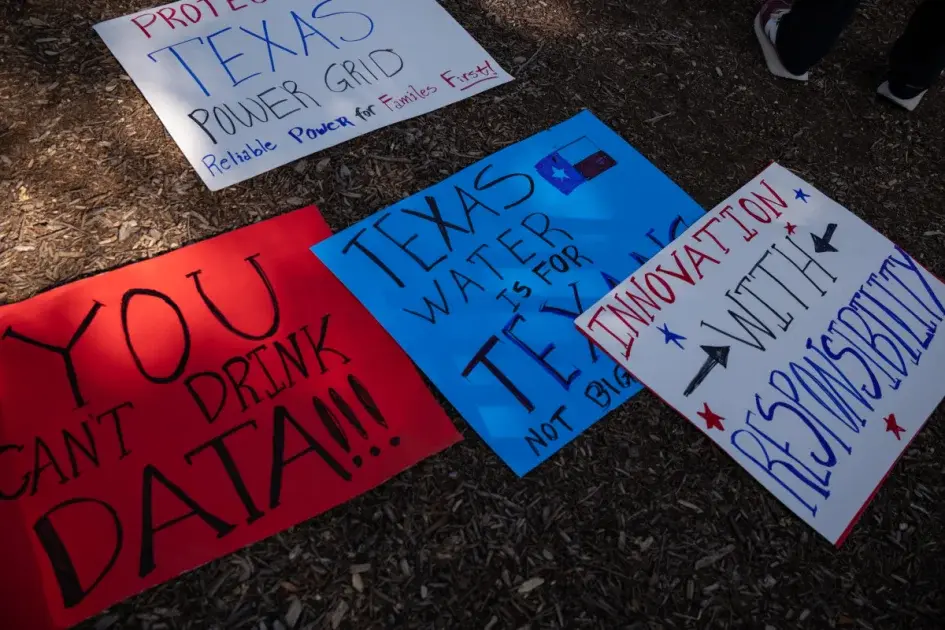
Texas Governor Greg Abbott has ordered a temporary halt to data center grid connections, mandating that the Public Utility Commission of Texas (PUCT) and Electric Reliability Council of Texas (ERCOT) conduct comprehensive audits of all projects in the interconnection queue. The move aims to verify tax incentives, water usage, and power consumption, with non-compliant projects facing denial of grid access. This directive follows growing public backlash and concerns over the state's rapid expansion of AI infrastructure, which now represents over 90% of new power requests in ERCOT's queue.
Key points
- Abbott directed PUCT and ERCOT to audit all data centers seeking grid connection, requiring disclosure of tax breaks, power/water use, and community impact mitigation.
- Projects failing the 'comprehensive verification and audit' will be denied connection to the Texas grid, according to the governor's statement.
- ERCOT has paused its 'Batch Zero' transmission planning study in response to the directive, though the scope of the audit remains unclear.
- The Texas Tribune identified at least 335 operating data centers and 248 planned ones in the state, with no official state or federal database tracking these facilities.
- Critics, including Democratic candidate Gina Hinojosa and Ag Commissioner Sid Miller, argue the measure is insufficient without legislative action or a special session, while industry groups like the Data Center Coalition support the review as a way to separate responsible developers from speculative ones.
Background
This directive follows a June 2026 letter from Abbott urging regulators to collect water and power usage data and protect residential ratepayers. It also comes amid a broader national trend where grid operators are re-evaluating interconnection processes for large AI loads, as seen in PJM and Virginia. Earlier in 2026, local governments in Texas attempted moratoriums, with Hill County and Hood County facing legal challenges or rescinding measures, while San Marcos became the first city to issue a moratorium in June. Public opposition has grown, with a June 2026 poll showing 56% of Texas registered voters opposing data center construction in their communities.
How outlets are covering it
The Texas Tribune and USA Today emphasize the lack of transparency and the potential for the audit to disrupt ERCOT's ongoing 'Batch Zero' review, noting that some data centers bypass the grid with on-site power. Axios highlights the political context, linking the move to Abbott's reelection campaign and upcoming legislative session. Data Center Knowledge frames the directive as a shift toward 'evidence-based' demand validation, arguing that a place in the queue no longer guarantees grid planning support. Industry representatives, such as the Data Center Coalition, view the audit as a chance to showcase 'good actors,' while critics like Sid Miller and Gina Hinojosa dismiss it as 'empty political rhetoric' that fails to address the root issues without legislative teeth. The Texas Tribune notes that the audit's scope and duration are unclear, raising questions about its practical impact on the 1,800+ projects in ERCOT's queue.
Why it matters
The audit could significantly slow the pace of AI infrastructure development in Texas, the second-largest market for data centers in the US, by imposing stricter scrutiny on projects that may lack financial or operational viability. It also highlights the tension between economic growth and environmental/social concerns, as data centers strain water and power resources. The move may set a precedent for other states and grid operators to adopt similar verification processes for large loads, potentially reshaping the national landscape for AI infrastructure development.
What to watch
The next steps depend on how PUCT and ERCOT implement the audit, including the division of responsibilities and the specific information required from developers. The outcome will determine whether the initiative becomes a targeted effort to validate the largest proposed loads or a broader procedural hurdle affecting AI development timelines. Additionally, the 90th Texas Legislature, convening in January 2027, may consider further regulatory measures, including potential changes to tax incentives, as lawmakers debate the long-term impact of data centers on the state's grid and water resources.
- Texas data center projects must stop until state audits them The Texas Tribune
- Gov. Greg Abbott halts Texas data center approvals axios.com
- Texas Orders Statewide Audit of AI Data Center Projects in ERCOT Queue Data Center Knowledge
- Texas freezes new data center projects to shield grid from overload USA Today
- Gov. Abbott orders audit of data center projects seeking connection to Texas power grid KEYE
Want the full story? Read the original reporting
Read on The Texas Tribune