
Chevron's $7B Expansion Highlights Funding Gaps in Trump's $100B Venezuela Oil Plan
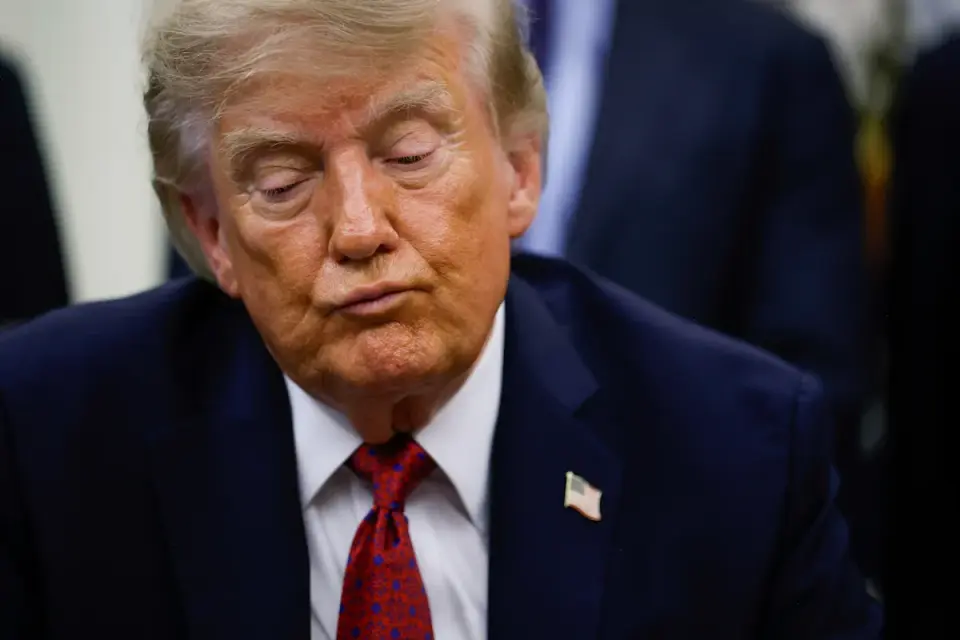
Chevron has committed to investing over $7 billion to double its Venezuelan oil output to 600,000 barrels per day within five years, a move that underscores the scale of the broader U.S. initiative. While the Trump administration has announced a sweeping $100 billion reconstruction plan for Venezuela's energy sector, significant questions remain regarding the source of this funding. The deal involves the U.S. government taking an equity stake in a private firm to control 65 billion barrels of reserves, with interim President Delcy Rodriguez asserting the agreement will last 25 years and generate substantial revenue for Caracas.
Key points
- Chevron announced a $7 billion investment to expand its Petroindependencia joint venture in Venezuela's Orinoco Belt, aiming to double production to 600,000 barrels per day over five years.
- The U.S. government has agreed to take an equity stake in North American Blue Energy Partners, a private firm developing 17 oilfields holding approximately 65 billion barrels of proven reserves.
- Interim President Delcy Rodriguez stated the bilateral agreement is designed to last 25 years, targeting 1.5 million barrels per day and generating $209 billion in revenue for Venezuela at a benchmark price of $65 per barrel.
- Critics and analysts question the feasibility of the $100 billion funding figure, noting that while Chevron is expanding, other major U.S. firms like ExxonMobil and ConocoPhillips have not returned to the country.
- The deal includes enhanced fiscal and legal protections for investors, with production costs estimated at less than $20 per barrel, leveraging existing infrastructure in the Orinoco Belt.
Background
This development follows the U.S. removal of former President Nicolás Maduro in January 2026 and subsequent oil reforms. Previous coverage indicated that the Trump administration sought to refill the U.S. Strategic Petroleum Reserve using Venezuelan crude, with concerns raised about the legality of the U.S. stake and the potential for a new private oil giant to emerge. The current Chevron expansion is part of a broader effort to transition dozens of energy contracts to new terms under a sweeping oil reform approved in January.
How outlets are covering it
Chevron CEO Mike Wirth emphasized the company's century-long history in Venezuela and confidence in the country's resource potential, framing the $7 billion investment as a long-term commitment. In contrast, the primary source from Yahoo Finance highlights the unanswered question of where the $100 billion in funding for the broader U.S. plan will come from, suggesting skepticism about the financial viability of the administration's claims. CBC reported that the Chevron deal is separate from the U.S. government's equity stake in the private firm but supports the broader goal of expanding output. CNBC focused on the political dimension, noting Rodriguez's assertion of sovereignty and the 25-year duration, while also mentioning protests in Caracas against the U.S. presence. Some analysts, such as Oswaldo Felizzola, warned that the deal could create a 'massive U.S. oil company' that changes the rules of the game, raising concerns about sovereignty and the concentration of power.
Why it matters
The clarity on funding mechanisms is crucial for the viability of the $100 billion plan, which aims to revitalize Venezuela's oil industry and lower U.S. fuel prices. If the funding cannot be secured, the projected 1.5 million barrels per day output and $209 billion in revenue for Venezuela may not materialize. Additionally, the deal's success could influence global oil markets and U.S. energy policy, while also raising geopolitical tensions regarding sovereignty and international law. The involvement of major firms like Chevron signals a shift in U.S. energy strategy toward Latin America, but the lack of participation from other major U.S. oil companies suggests caution among industry players.
What to watch
Chevron is expected to finalize its expansion plans in the coming months, with production increases to begin as new areas in the Carabobo region are developed. The U.S. government and private partners will need to secure the remaining funding for the $100 billion plan, potentially through private investment or government backing. Venezuela's interim government will continue to negotiate with other firms, including ENI and KEO Capital, to expand energy operations. The long-term impact on global oil prices and U.S. fuel costs will depend on the speed of production increases and the stability of the political environment in Venezuela.
- The biggest unanswered question in Trump's Venezuelan oil deal: Where will the $100B in funding come from? finance.yahoo.com
- Chevron expands Venezuela presence with $7B US plan CBC
- Venezuela's interim president says U.S. energy deal will last 25 years CNBC
- U.S. to Take Control of Much of Venezuela’s Proven Oil Reserves WSJ
Want the full story? Read the original reporting
Read on finance.yahoo.com