
Hurricane Isaias Halts Gulf Oil Output Amid Global Energy Crisis
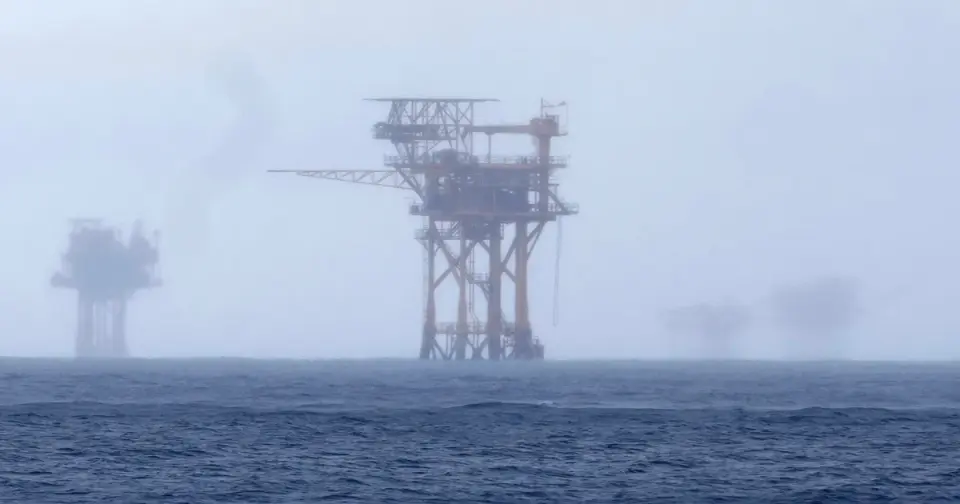
Hurricane Isaias is forcing widespread shutdowns of U.S. Gulf oil and gas production, threatening to spike fuel costs at a critical time. The storm, which rapidly intensified into a Category 2 hurricane, is expected to make landfall late Friday or early Saturday. Major companies like Chevron and Shell have halted operations at multiple sites, with nearly two-thirds of Gulf oil output suspended by Thursday noon. Analysts warn that the timing is particularly dangerous because global oil prices are already rising due to the U.S.-Israeli conflict with Iran, and domestic refining capacity is near maximum levels with low inventories.
Key points
- By noon Thursday, nearly 67% of Gulf oil production and 57% of natural gas production had been shut down, according to the U.S. Marine Minerals Administration.
- Chevron suspended operations at four of its nine Gulf assets, while Shell halted production at five sites.
- U.S. gasoline prices averaged $4.36 per gallon, up 21 cents from the previous month, despite being slightly down from the week prior.
- Brent crude oil prices surged nearly 5% on Thursday amid reports that President Trump was considering renewed attacks on Iran.
- Hurricane Isaias is forecast to make landfall as a Category 1 or 2 storm, with potential storm surge up to 9 feet and rainfall up to 15 inches in some areas.
- Refineries in the storm's path could be offline for up to 10 days, according to GasBuddy analyst Patrick De Haan.
Background
This is the first hurricane of the 2026 Atlantic season, forming later than usual due to a strong El Niño. U.S. gas prices had been rising nationwide in September, with the national average at $4.44 and California leading at $6.09. The storm's path overlaps with a period of heightened geopolitical tension in the Middle East, which is already straining global energy supplies.
How outlets are covering it
NBC News emphasizes the economic impact on consumers, highlighting the convergence of the hurricane with rising global oil prices driven by the U.S.-Israeli war against Iran and low domestic inventories. CNN focuses more on the storm's physical intensity and the immediate human impact, detailing evacuations, infrastructure damage, and the storm's rapid intensification into a major hurricane before weakening slightly at landfall. Both outlets agree on the severity of the production shutdowns but differ in emphasis: NBC frames the story around market volatility and price spikes, while CNN centers it on the storm's meteorological record and public safety response.
Why it matters
The disruption to Gulf production occurs when global energy markets are already fragile due to geopolitical conflict and low inventories. This could lead to a sharp, short-term spike in U.S. gasoline and diesel prices, exacerbating cost pressures for consumers and businesses. The potential for 10-day refinery outages adds a medium-term constraint to an already tight supply chain.
What to watch
Hurricane Isaias is expected to make landfall late Friday or early Saturday. The immediate focus will be on the extent of damage to coastal infrastructure and the timeline for restarting oil and gas production. Gas prices are likely to rise in the short term, with analysts suggesting the squeeze could last three to six months if the conflict in the Middle East continues to disrupt global refining capacity.
- Gas prices face new threat as Hurricane Isaias forces widespread Gulf oil shutdowns NBC News
- Gov. Brian Kemp issuing State of Emergency to marshal resources for Georgia ahead of Isaias impacts 11Alive.com
- Hurricane Isaias live updates: Gulf Coast braces for dangerous storm CNN
- Several Florida counties placed under evacuation orders as Hurricane Isaias eyes landfall firstcoastnews.com
- Isaias Puts 500,000 Barrels a Day of Refining Capacity at Risk Bloomberg.com
Want the full story? Read the original reporting
Read on NBC News