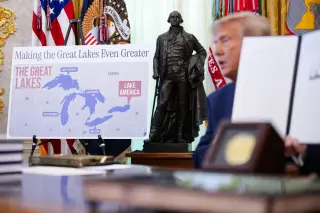
During a New Jersey show, John Mellencamp mocked President Trump’s renaming of the Gulf of Mexico to the Gulf of America, prompting a White House response that dismissed celebrity commentary and defended the administration’s stance on the issue; Mellencamp continued with his set after the remark.
John Mellencamp mocked Trump's renaming of the Gulf of Mexico to the Gulf of America during a Holmdel, New Jersey concert, prompting a White House reply from spokesman Davis Ingle who said celebrities' opinions don't matter to many people; Mellencamp defended the song Pink Houses and called the renaming a stupid f--ing idea as he finished the performance.
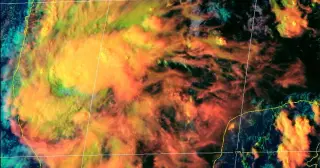
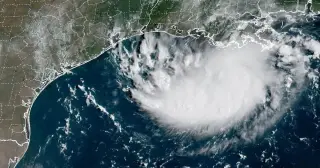
Tropical Depression Two has formed over the northeastern Gulf with a more defined center and 30 mph winds, moving northwest and bringing scattered thunderstorms and gusty winds; meteorologists expect Tropical Storm Bertha to form soon, bringing heavy rainfall to the northern Gulf Coast, with tropical-storm watches in effect from Ochlockonee River to the Florida/Alabama border; the system is not expected to intensify beyond a tropical storm.
Tropical Depression Two has formed in the northeastern Gulf with a defined center and 30 mph winds, moving NW and bringing scattered storms and gusty winds; Bertha is likely to form as a tropical storm as early as tomorrow morning along the Northern Gulf coast, with tropical-storm watches in effect from Ochlockonee River to the Florida/Alabama border.
Tropical Depression 2 has formed over the northeastern Gulf with a defined center and winds around 30 mph, expected to move northwest and bring scattered storms and gusty winds today. Forecasters say Tropical Storm Bertha is likely to form soon, bringing heavy rainfall to the Northern Gulf coast, with tropical storm watches in effect from Ochlockonee River to the Florida/Alabama border.
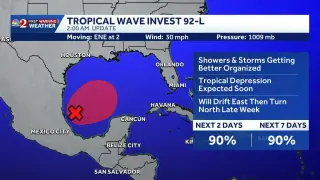
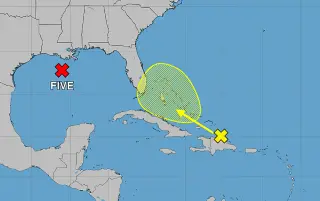
Forecasts show a low-pressure area forming in the eastern Gulf of Mexico and moving slowly north over the next several days, with a 10% chance of tropical development in 48 hours and 30% in seven days. The track remains uncertain, with potential to move into Florida or linger over the northern Gulf; regardless, southern Alabama could see heavy rainfall this weekend into next week, so residents should review their tropical storm plans now.
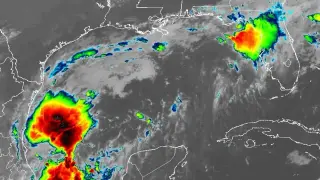
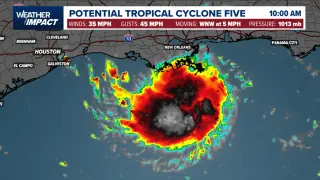
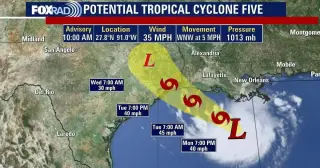
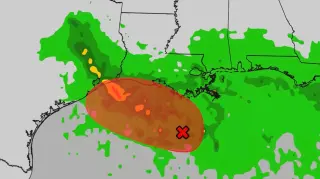
Forecasters say a potential tropical cyclone near southern Texas has a 70% chance to become Tropical Storm Arthur in the Gulf of Mexico within about 24 hours, with a tropical-storm watch in effect from Sargent, TX to Morgan City, LA. Regardless of Arthur’s formation, the system is expected to bring heavy rainfall across southern and eastern Texas, parts of Louisiana and Mississippi, risking flash flooding (as much as 5–8 inches already fallen, with 10+ inches possible locally), gusty winds, storm surge up to 4 feet, rip currents, and possible tornadoes along the NW Gulf Coast. NOAA also expects a below-normal 2026 Atlantic hurricane season (8–14 named storms, 3–6 hurricanes, 1–3 major) due to El Niño.
The National Hurricane Center says a broad low-pressure system moving from south Texas toward the northwestern Gulf of Mexico could become the season’s first tropical storm, potentially named Arthur, with marginal conditions allowing short-lived development late today or Wednesday. Regardless of formation, residents of southern/eastern Texas and parts of Louisiana and Mississippi should prepare for heavy rainfall and possible life-threatening flooding, along with gusty winds and coastal flooding along the Gulf Coast. The NHC assigns about a 60% chance of development in the next two to seven days, and the Atlantic hurricane season—which begins June 1 and is expected to be below normal (8–14 named storms, 3–6 hurricanes, 1–3 major)—remains in the monitoring phase with updates every six hours.
A disturbance over northeastern Mexico has a 50% chance to become a tropical storm in the Gulf, potentially late Tuesday into Wednesday as Arthur—the first named storm of 2026. The bigger risk is prolonged heavy rainfall for Southeast Texas, with a Flood Watch in effect through Thursday and forecast totals of 3–7 inches (locally higher). Rain rates could reach 2–4 inches per hour in bands, creating the potential for flash flooding; stay weather-aware and avoid flooded roads.
Scientists from NOAA announced the discovery of Mollisquama mississippiensis, the American pocket shark, a 5.5‑inch bioluminescent shark found in the Gulf of Mexico. It’s only the second pocket shark species known and differs from its Pacific relative in features like its pocket anatomy and body photophores. The glowing glands likely help with camouflage or predation, a trait that may have evolved independently in sharks. The shark was found accidentally by the NOAA Pisces during a sperm whale prey survey and is now part of Tulane’s research collection, with advanced imaging helping distinguish it from its Pacific cousin.
Colorado State University’s early forecast for the 2026 Atlantic hurricane season projects a somewhat below-average year (13 named storms, 6 hurricanes, 2 major hurricanes) due to a developing strong El Niño that increases wind shear and dampens activity; sea-surface temperatures are mixed, Gulf of Mexico activity may be less suppressed, and overall U.S. major hurricane landfall probability is about 32% (down from 43%), with Florida remaining the most at-risk state. Forecasts will be updated in June–August.
A U.S. Endangered Species Committee known as the 'God Squad' voted to exempt Gulf of Mexico oil and gas drilling from Endangered Species Act protections, a move environmentalists say threatens Rice's whale and other species with extinction, justified by national-security concerns amid Iran-related disruptions.
The Trump administration issued an Endangered Species Act exemption for Gulf of Mexico oil and gas projects, invoking the God Squad to bypass protections for endangered species and clear the way for offshore drilling.
Rice’s whale, a rare Gulf of Mexico baleen whale with only dozens to a few hundred individuals, is at greater risk from President Trump’s plans to expand Gulf drilling. Scientists warn that increased offshore activity, noise, and habitat disruption could further imperil the endangered species, prompting calls for stronger protections and careful consideration of drilling projects.
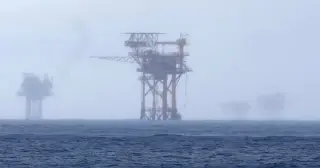
An oil spill in the Gulf of Mexico in early March spread over more than 600 kilometers (373 miles), reaching seven protected nature reserves off Veracruz and Tabasco, Mexico. Authorities cite sources including a vessel near Coatzacoalcos and natural oil seeps in Cantarell and the Bay of Campeche; about 430 tons of hydrocarbons have been collected. The spill contaminated wildlife—reported to include sea turtles, birds and fish—with Oceana noting turtle and manatee deaths and reef damage, while officials say there has not yet been confirmed severe environmental damage and cleanup continues.