
Russian Diesel Tankers Divert as Legal and Political Obstacles Stall Trump’s Import Deal
President Donald Trump’s agreement to import Russian diesel appears to be failing as two sanctioned tankers have changed course away from the United States. While the Treasury Department authorized the imports to lower fuel prices, state officials and lawmakers warn that handling the fuel violates existing sanctions. The diversion of vessels, combined with a Democratic landslide in the midterm elections, has left the deal without a confirmed U.S. delivery.
Key points
- Two tankers, the Talisman and Leruo, originally bound for the U.S. East Coast, have diverted to the Mediterranean and Brazil, respectively, according to marine data firms Kpler and MarineTraffic.
- A third vessel, the Agioi Fanendes, remains in the North Atlantic but has changed its destination to 'for orders,' leaving its unloading point uncertain.
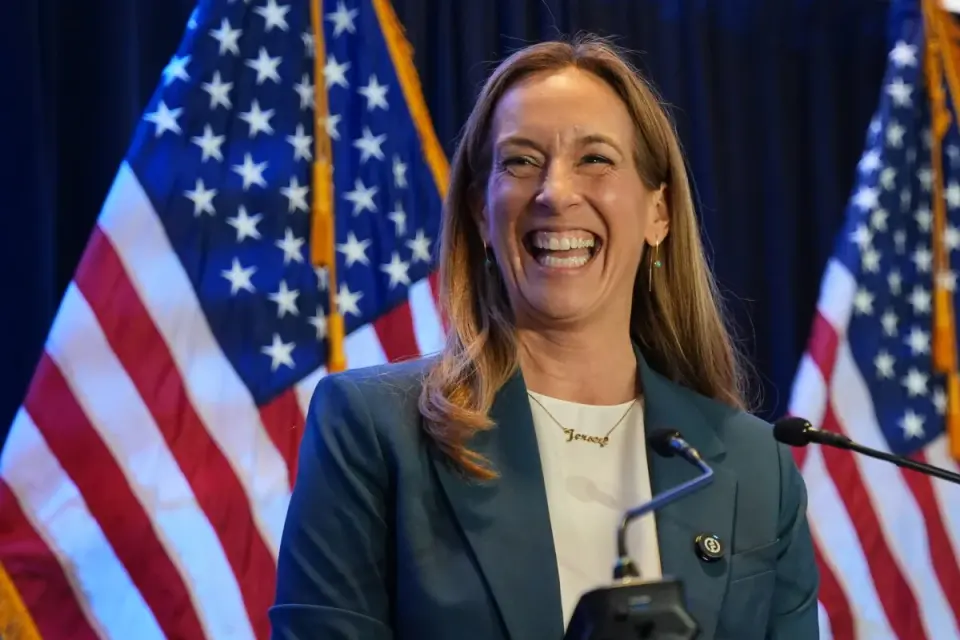
- New Jersey Governor Mikie Sherrill warned port operators that handling Russian fuel could result in harsh penalties, arguing the federal authorization lacks legal authority.
- U.S. diesel inventories have fallen below 100 million barrels, the lowest level in over 20 years, while prices remain near record highs of $6.27 per gallon.
- The deal was announced on October 9 to lower prices ahead of the November 3 midterm elections, but the Republican party suffered a significant defeat in those polls.
Background
The dispute began in October when Trump announced a deal with Vladimir Putin to supply 300,000 metric tons of diesel, reversing a 2022 import ban. Critics, including Ukrainian President Volodymyr Zelenskyy, condemned the move as funding Russia’s war effort. Lawmakers have since demanded record preservation from banks and port authorities, warning that the imports may violate the Ending Importation of Russian Oil Act. The current divergence in tanker routes marks the first major physical setback to the agreement since its announcement.
How outlets are covering it
The White House and Treasury Department maintain the sanctions exemption is lawful and consistent with previous actions, asserting that the imports will reduce price pressures for Americans. Conversely, a bipartisan group of senators and New Jersey Governor Mikie Sherrill argue the deal is illegal, warning that facilitating the trade could expose companies to criminal liability. Analysts offer mixed views on the diversion: some, like Kevin Rowlands, suggest the deal is effectively dead due to the risk of seizure and political fallout, while others, such as Dirk Siebels, argue the tankers may never have intended to reach the U.S., serving instead as a political signal to markets before the elections. Kremlin spokesman Dmitry Peskov dismissed reports of diversion as 'fake,' though he acknowledged the commercial details are not public.
Why it matters
The failure of this deal highlights the limits of executive power in overriding congressional sanctions and the deepening rift between the federal government and state authorities. With diesel prices at record highs and inventories at historic lows, the inability to secure Russian fuel leaves the U.S. economy vulnerable to supply shocks from conflicts in Iran and Ukraine. The outcome also signals a shift in the political landscape, as the Democratic control of Congress may further complicate any future attempts to relax energy sanctions against Russia.
What to watch
The arrival of the Agioi Fanendes in New York Harbor is expected this weekend, but its final destination remains unconfirmed. If it diverts, the deal may be considered functionally dead. Congress, now controlled by Democrats, is expected to investigate the legality of the Treasury’s authorization and the actions of port authorities. The Kremlin has stated that all diesel will find buyers, suggesting Moscow may redirect the cargo to other global markets if U.S. imports fail.
- Tankers carrying Russian diesel change course, raising doubts about shipments to US AP News
- Tankers carrying Russian diesel change course, raising doubts about shipments to U.S. PBS
- Trump’s stillborn diesel deal: Why Russian oil tankers are not heading to the US France 24
- Trump diesel deal with Russia falters as US fuel supplies hit 20-year low Financial Times
- New Jersey governor warns ports against accepting Russian diesel Reuters
Want the full story? Read the original reporting
Read on AP News