
Nevada Challenges Federal Colorado River Cuts in First Lawsuit
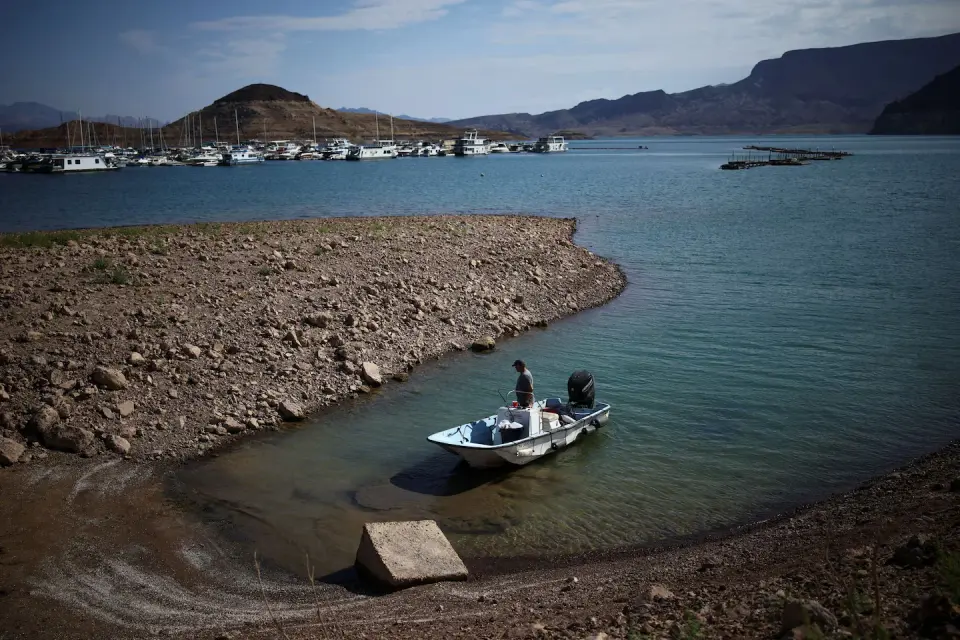
Nevada has filed the first legal challenge against the Trump administration’s new federal plan to reduce Colorado River water use. The state argues the plan unlawfully imposes severe cuts on lower-basin states while sparing upper-basin states, threatening its economy and water supply.
Key points
- Nevada, the Colorado River Commission of Nevada, and the Southern Nevada Water Authority sued the Department of the Interior and Bureau of Reclamation in federal court.
- The lawsuit challenges a federal 'record of decision' that could cut Nevada’s water allocation by up to 71%, leaving less than 86,500 acre-feet annually for Las Vegas.
- Nevada argues the federal government failed to consider the economic impact on its $180 billion economy and violated the law by not requiring upper-basin states to share the burden.
- Upper-basin states (Colorado, Utah, New Mexico, Wyoming) face only voluntary conservation goals, while lower-basin states (Nevada, Arizona, California) face mandatory cuts.
- Arizona is preparing a legislative vote on the plan, with experts debating the power of its legislature to block or modify the federal framework.
Background
The Colorado River has faced a multi-decade drought exacerbated by climate change, pushing Lake Mead and Lake Powell to record lows. Previous federal frameworks expired in October 2026, and years of failed negotiations among the seven basin states led to the current unilateral federal action. Earlier reports indicated potential 20% cuts for lower-basin states, with deeper reductions possible if shortages persist.
How outlets are covering it
The Washington Post and The Nevada Independent emphasize the legal and economic arguments, noting Nevada’s claim that the plan ignores its economic impact and unfairly targets lower-basin states. The Guardian highlights the broader regional conflict, noting that upper-basin states resist mandatory cuts, arguing lower-basin states are responsible for reservoir declines. KJZZ focuses on Arizona’s unique legislative process, where a 1980 statute may require a special session to approve the plan, though experts doubt the legislature can block the federal mandate. All sources agree that litigation may delay critical water management decisions and harm environmental values.
Why it matters
The lawsuit could set a precedent for federal-state water conflicts and delay the implementation of critical conservation measures. If the court blocks the plan, it may force renewed negotiations or lead to further litigation, potentially worsening the water crisis for 40 million people and 5.5 million acres of farmland dependent on the river.
What to watch
The court has not set a hearing date. Arizona may convene a special legislative session to vote on the plan, though experts doubt it can block the federal mandate. More lawsuits from other states are likely, and the outcome could determine whether the federal plan proceeds or is revised.
- Nevada sues over federally mandated reduction in Colorado River water use The Washington Post
- Nevada files lawsuit challenging federal plan for Colorado River revival The Guardian
- Nevada Sues Trump Administration Over Colorado River Cuts The New York Times
- A new Colorado River plan is heading for Arizona lawmakers. Do they have the power to change it? KJZZ
- Nevada sues Interior over cuts to 'already meager' Colorado River water allocation The Nevada Independent
Want the full story? Read the original reporting
Read on The Washington Post